The Short Version
School and camp forms aren't hard individually, an immunization record pull, a physical exam, a signature. What makes them painful is timing: most families request them in a tight window before school starts or camp begins, turning a manageable year-round task into a seasonal avalanche that hits the practice all at once, right when everyone's already stretched thin with the return-to-school patient volume in general.
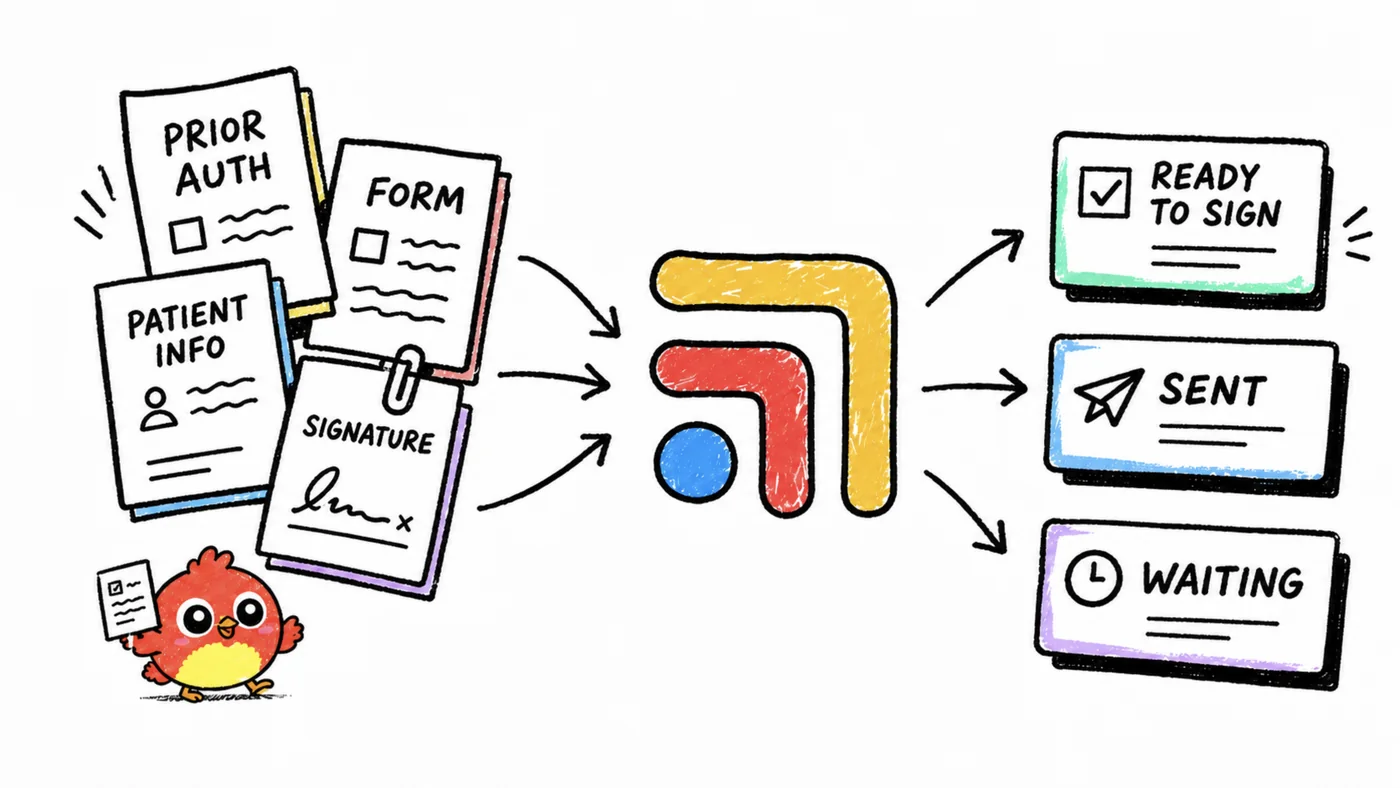
The fix is spreading the work across the year where possible, and tracking the surge that does happen with enough structure that requests don't get lost in the pile.
Why This Specific Task Concentrates So Badly
Most families don't think about camp or school forms until a deadline is looming, sometimes because the school's own reminder only goes out a few weeks ahead, sometimes because it's simply not top of mind until it becomes urgent. That means requests cluster heavily in a short window, typically late summer, and a clinic without any system for absorbing that surge ends up processing everything reactively, whoever's loudest gets handled first, rather than working through requests in any kind of fair or efficient order.
The result is often a scramble: physical exams squeezed into an already-full schedule, immunization records pulled under time pressure, and families calling anxiously as their deadline approaches, having assumed a request submitted weeks ago would have been handled by now.
What Makes This Different From Other Recurring Requests
Most clinic workflows deal with steady, distributed demand. This one is genuinely seasonal and lumpy by nature, which means the usual "handle it as it comes in" approach breaks down specifically because so much of it comes in at once. The fix isn't just better individual handling, it's a system built to absorb a concentrated surge without everything sliding into the same last-minute crunch.
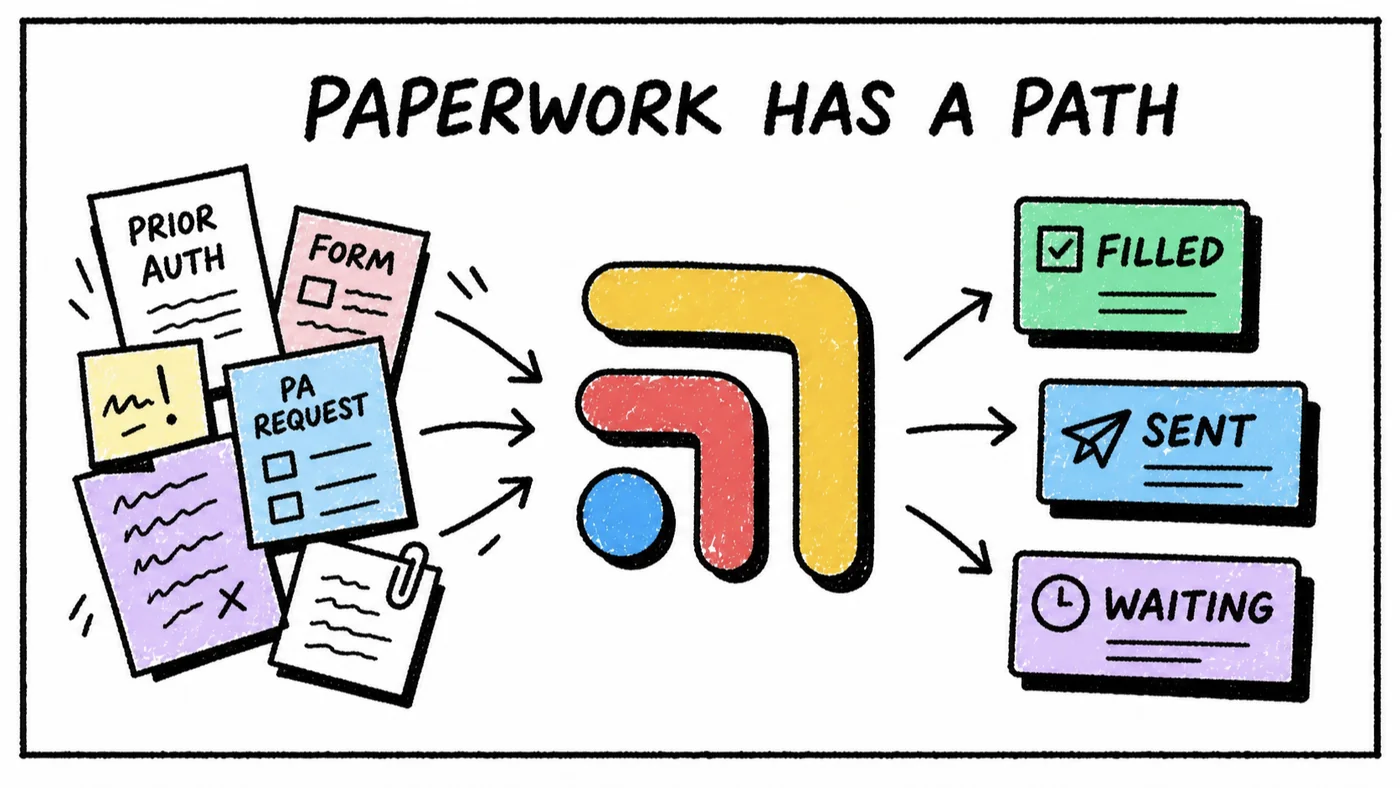
What a Working Form Request Workflow Looks Like
Requests get tracked with the specific deadline attached, not just logged generically. A form due in three weeks and one due in three days need different urgency, and a flat list treats them identically.
Proactive reminders go out ahead of the seasonal rush, to families who are likely to need forms based on prior years or known school calendars, spreading some of the demand earlier instead of letting everyone wait until the last minute.
The workflow separates what needs a provider from what doesn't. Pulling an immunization record and confirming what's needed is administrative work that front desk or admin can handle. A physical exam or sports clearance needs a provider's time, and reserving that time specifically for the parts that require it keeps the provider's schedule from being consumed by paperwork that doesn't need their direct involvement.
Requests are worked in deadline order, not request order, so a family who requested early with a later deadline doesn't unfairly jump ahead of a family with a more urgent one, and vice versa.
Each request tracks which specific form is needed. Schools and camps often require their own specific template, and using the wrong one means redoing work that felt finished. Logging the exact form requirement at intake avoids that rework.
Where This Actually Breaks
The common failure isn't a lack of willingness to help. It's that these requests arrive informally, a note, a phone call, a form left at the front desk, without a consistent system tracking deadlines and status, so during the seasonal surge, nobody has a clear view of what's actually still outstanding versus already completed. Everything just feels urgent and undifferentiated during the worst weeks of summer.
This is where Tabflows fits into managing this seasonal workload. Each form request becomes a task with its specific deadline and requirement attached, sorted by urgency rather than by whoever asked most recently, with administrative and provider-required steps visible as distinct parts of the same task. The seasonal surge becomes a sorted, workable list instead of an undifferentiated pile.
The Standard Worth Setting
Track every request with its real deadline from the moment it comes in, send proactive reminders ahead of the seasonal rush where you can, and work the list by urgency rather than by whoever's asking loudest. That standard turns a predictable seasonal crunch into something the practice can actually plan for.
FAQs
Why do school and camp form requests pile up seasonally?
Because most families wait until close to the school year or camp start date to request forms, creating a concentrated surge in a short window. Without a tracking system built for that surge, requests processed on a first-come basis can leave families who requested early waiting just as long as those who requested at the last minute.
How can a clinic reduce the summer form rush?
By tracking requests as they come in throughout the year rather than only during peak season, and by proactively reminding families with upcoming school or camp deadlines to request forms early, spreading the workload instead of concentrating it into a few frantic weeks.
What information does a school or camp form request need to track?
The student's name, what specifically is required (immunization record, physical exam, sports clearance), the deadline, and which specific form the school or camp requires, since requirements vary and using the wrong form template can mean redoing the work.
Who should own processing these form requests?
Front desk or office admin typically handles the paperwork and immunization record portion, with providers needed only for the physical exam and sports clearance components. Splitting the workflow this way keeps provider time reserved for the parts that actually require a clinician.