The Short Version
Advance directives and POLST forms are unusual among clinic paperwork: most of the time they sit quietly unused, and then occasionally they need to be found immediately, in a moment where slow retrieval has real consequences. A workflow that treats them like routine paperwork, filed and forgotten, fails exactly when it matters most.
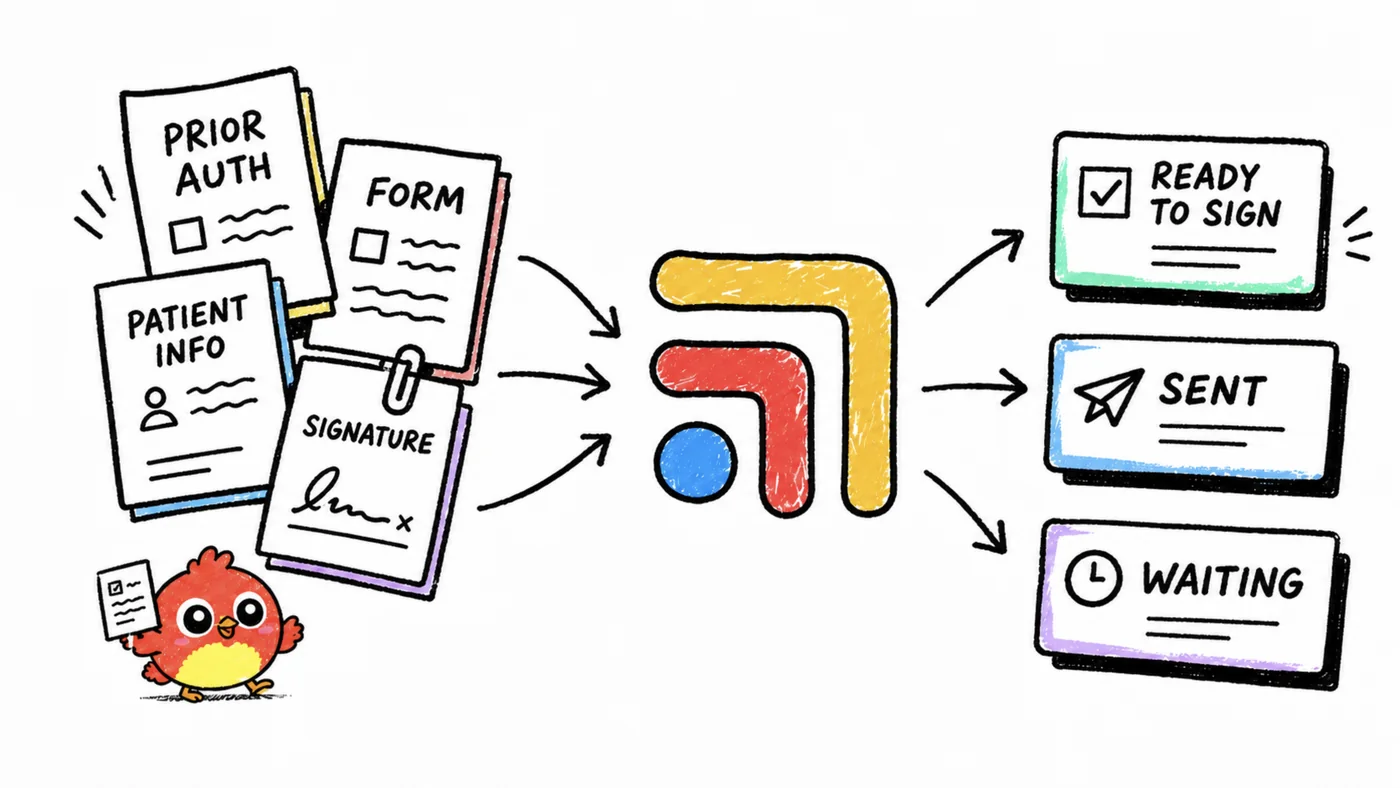
The fix is tracking who has one, keeping it easy to locate, and reviewing the list periodically instead of only thinking about it when a patient happens to bring it up.
Why These Documents Get Deprioritized
Advance directive conversations are easy to postpone. They're not urgent in the way a same-day symptom is, and bringing them up requires a certain amount of intentionality that's easy to skip during a packed visit. The result, across a whole panel, is a mix: some patients have a directive on file, many probably don't, and without an active list, nobody at the practice actually knows which is which for any given patient until someone goes looking.
That uncertainty is fine most of the time. It becomes a real problem in exactly the moments these documents exist to address: a sudden health crisis, an emergency room visit, a rapid decline, situations where there's no time to reconstruct whether a directive exists and where it's kept.
What Makes Tracking These Different From Other Documents
Most clinic paperwork just needs to exist somewhere retrievable. Advance directives and POLST forms need something more: they need to be findable fast, by anyone on staff, not just whoever originally helped the patient complete the form. If locating a POLST requires remembering which specific staff member handled that patient's intake eighteen months ago, the document isn't actually accessible in the way it needs to be.
They also need periodic revisiting in a way a signed intake form doesn't. A directive completed five years ago, before a major diagnosis or a significant life change, may no longer reflect what the patient actually wants, and there's no natural trigger prompting a review unless the practice builds one in.
What a Working Workflow Looks Like
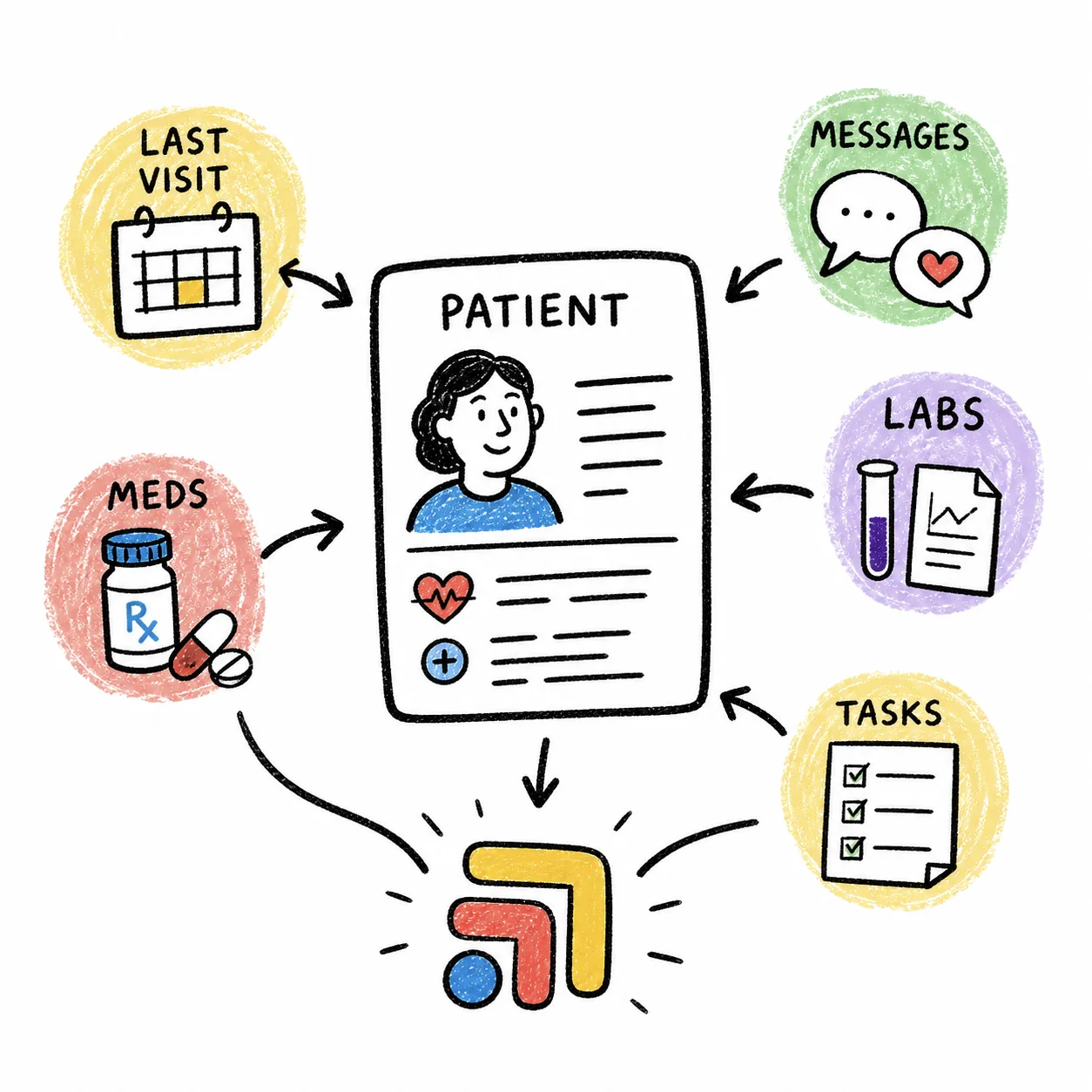
Every patient's status gets logged, not just the ones who have a document on file. Knowing that a patient doesn't yet have a directive is just as useful as knowing one who does, since it flags an opportunity for that conversation at a future visit.
The document's location is standardized and consistent, so any staff member, not just the one who originally filed it, can find it quickly. If POLST forms end up scattered across chart scans, physical files, and email attachments depending on who processed each one, retrieval speed depends on luck.
Reviews happen at natural touchpoints, annual visits, new diagnoses, hospitalizations, rather than waiting for the patient to bring it up unprompted. A brief check-in, "is this still accurate," costs little and catches drift before it matters.
High-risk or seriously ill patients get flagged for closer attention, since for this population, an outdated or missing document carries more immediate weight than for a generally healthy patient who hasn't thought about it in years.
Updates replace the old version cleanly, with no ambiguity about which document is current if a patient has completed more than one over time.
Where This Actually Breaks
The common failure isn't that practices don't care about this. It's that these documents get filed away and then functionally forgotten, indistinguishable from any other piece of paperwork in the chart, until an urgent moment requires finding them fast and nobody's sure where to look or whether one even exists.
This is where Tabflows fits into advance directive tracking. Each patient's status becomes visible and trackable, with periodic review tasks tied to annual visits or significant health changes, and the document's location standardized so any staff member can retrieve it without depending on institutional memory of who handled that patient's paperwork originally.
The Standard Worth Setting
Log every patient's status, review at natural touchpoints, and keep documents in one consistent, fast-to-find location. That standard matters more here than almost anywhere else in clinic operations, because the moment this system gets tested is rarely a convenient one.
FAQs
How should a small practice track advance directives?
Log who has one on file, the date it was completed, and where the document itself lives, then review the list periodically to catch patients who are eligible but don't yet have one, or whose existing directive may be outdated. A list that only grows when someone happens to bring it up misses most of the panel.
How often should advance directives be reviewed for updates?
A reasonable default is checking in during annual visits or significant health changes, since preferences can shift with new diagnoses, hospitalizations, or simply time. Without a periodic review trigger, an outdated directive can sit on file indefinitely without anyone noticing it no longer reflects the patient's wishes.
What's the difference between an advance directive and a POLST form?
An advance directive is a broader statement of a patient's wishes and healthcare proxy, typically completed well before a crisis. A POLST form is a specific medical order set, usually for patients with serious illness, that translates those wishes into actionable instructions for emergency personnel. Both need tracking, but POLST forms especially need to be immediately findable in an emergency.
Why does it matter if these documents are hard to find quickly?
In an urgent situation, a delay in locating a patient's documented wishes can mean care that doesn't match what they actually wanted. The clinical and ethical stakes make this one of the few workflow gaps where slow retrieval isn't just inconvenient, it can directly affect the care a patient receives.