The Short Version
Same-day, direct access to your provider is one of DPC's biggest promises, and one of its biggest operational risks if it isn't structured. Without a clear line between "this needs the provider right now" and "this can wait until morning," every message starts to feel equally urgent at 9pm, and the provider either burns out trying to personally screen everything, or starts unconsciously delaying responses because the inbox feels endless.
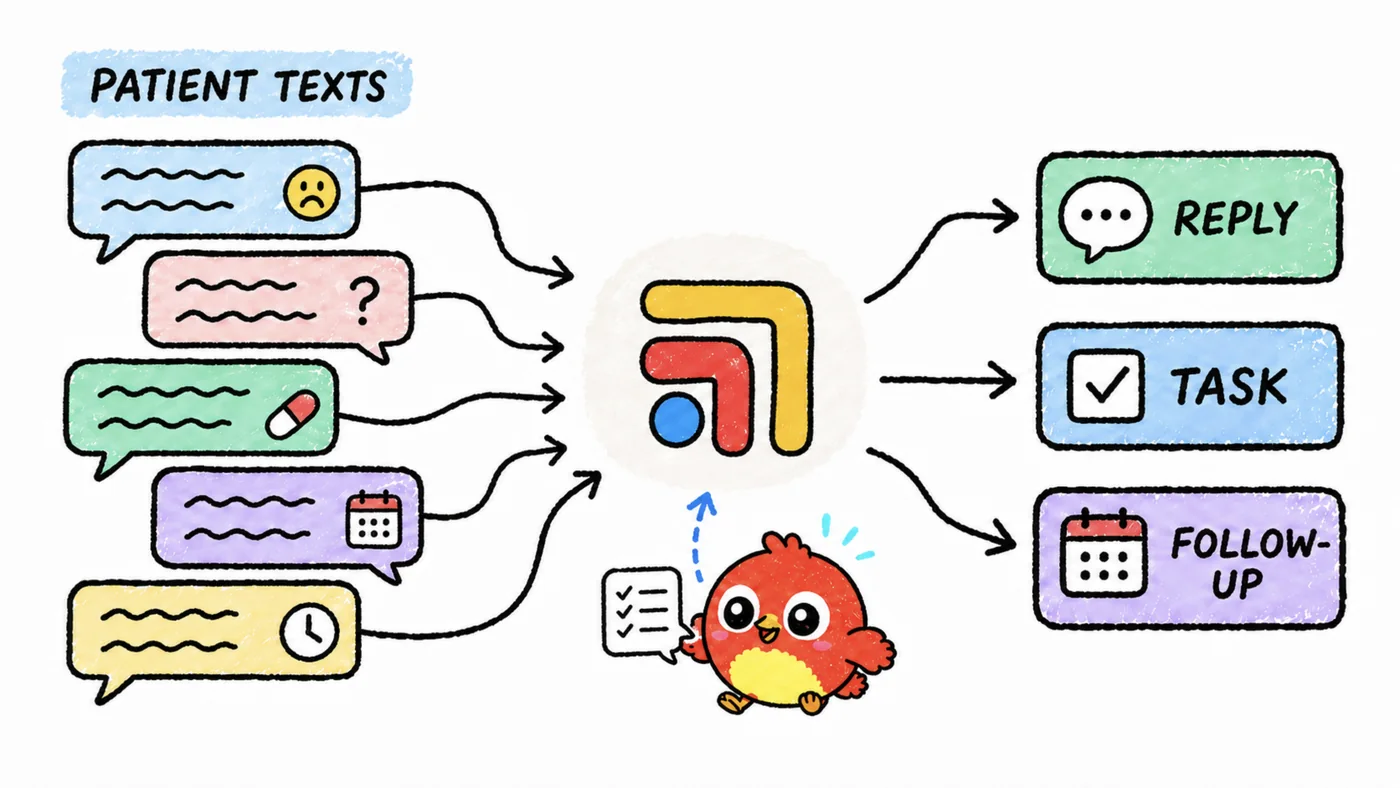
The fix is a triage step, applied consistently, that sorts messages before they ever reach the provider's phone.
Why 24/7 Access Without Triage Becomes Unsustainable
The appeal of DPC access is real: a patient can message their actual doctor at night instead of navigating a nurse line or urgent care. But that access only stays sustainable if it's structured. Without any sorting mechanism, the provider ends up personally reading every message that comes in after hours, a refill reminder, a scheduling question, and an actual new symptom, all mixed together in the same inbox, all requiring the same context-switch to evaluate.
That's exhausting in a way that has nothing to do with clinical complexity. It's the cognitive load of constantly re-entering "on" mode for messages that, in hindsight, didn't need immediate attention at all.
The Core Distinction Most Practices Skip
Not every after-hours message is actually urgent, even though every patient sending one might feel like it is in the moment. The distinction that matters:
Genuinely time-sensitive: new or worsening symptoms, a possible medication reaction, anything acute or rapidly changing. These need same-hour attention from a clinician.
Can reasonably wait: refill requests, scheduling changes, general questions, routine follow-ups. These can queue for the next business day without any real harm to the patient or the relationship, as long as the patient knows that's what's happening rather than being left to wonder if their message disappeared.
Most practices know this distinction intuitively. What's missing is a system that applies it consistently, at 11pm, without requiring the provider to personally make the call on every single message.
What a Working After-Hours Workflow Looks Like
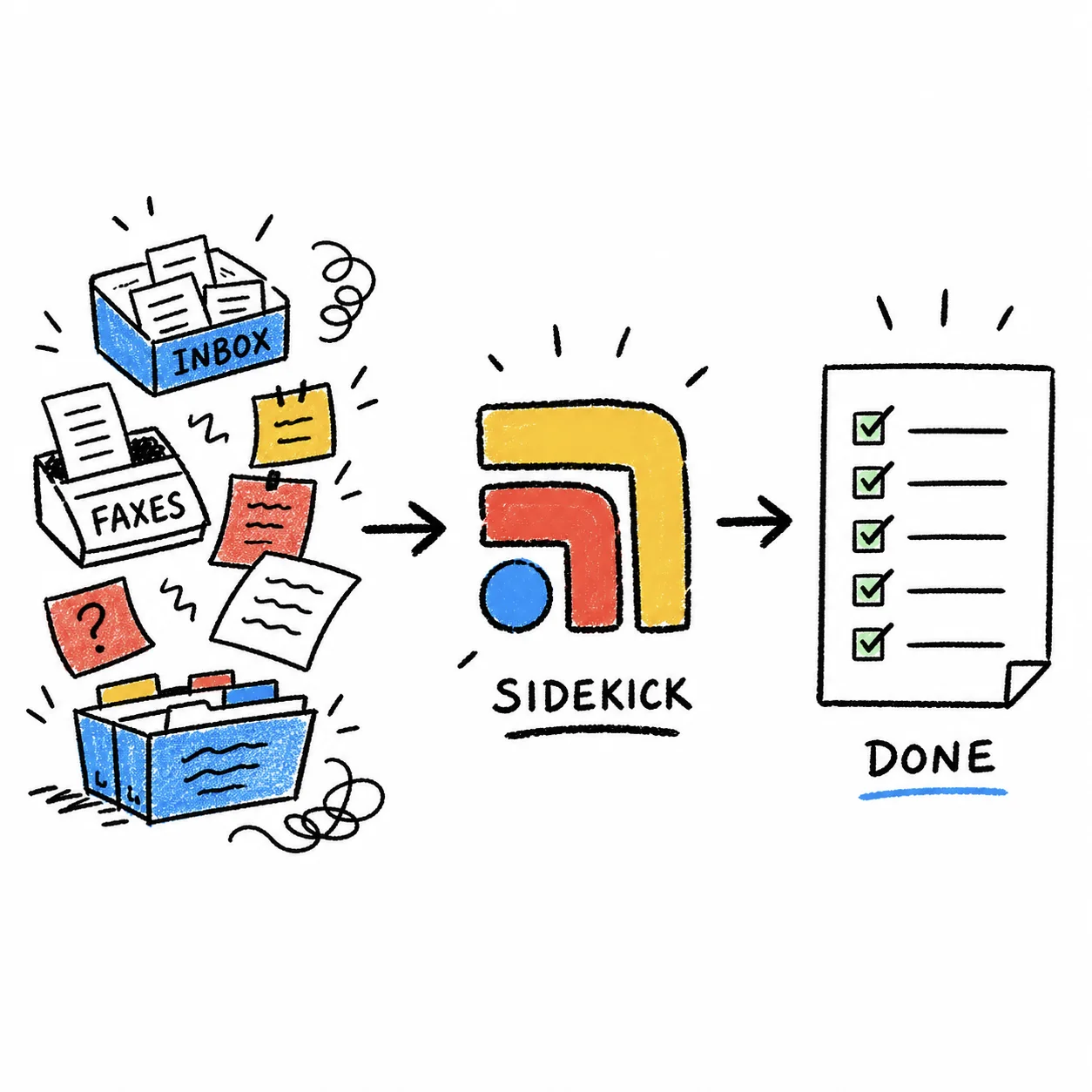
Messages get sorted at the point of intake, not after someone happens to notice them. Whether that's through a triage question in the messaging tool itself, or a first pass by whoever's covering that shift, the sorting needs to happen immediately, not whenever the queue gets checked.
Urgent messages have a defined, fast path to the on-call provider. This should be closer to a direct alert than a general inbox notification that competes with dozens of other pings.
Non-urgent messages get an automatic acknowledgment, so the patient isn't left wondering if the message vanished into the void. "We got this, you'll hear back during business hours" costs nothing and prevents the anxious follow-up message twenty minutes later.
On-call responsibility is explicit and, where there's more than one provider, rotated. A solo provider needs a documented plan for genuine emergencies that doesn't depend on always being awake and reachable, typically directing the patient to urgent care or the ER for anything beyond what a message exchange can safely handle.
The next business day starts with a clean queue of everything that came in overnight, sorted and ready to work through, not a scramble to remember what came in and what still needs a reply.
Where This Actually Breaks
The failure mode isn't usually a provider ignoring urgent messages. It's the opposite: treating every message as equally deserving of an immediate response, which is unsustainable over any real stretch of time, and which paradoxically makes it harder to spot the messages that actually need urgency, because they're buried in a flat, undifferentiated stream.
This is where Tabflows fits into an after-hours workflow. Incoming messages become tasks with visible urgency and status, so whoever's on call sees a sorted list instead of a raw inbox, and non-urgent items are already queued and visible for the next business day rather than lost in the same stream as anything acute.
The Standard Worth Setting
Sort every after-hours message the moment it arrives. Give urgent ones a fast, direct path to the provider. Give everything else an honest acknowledgment and a next-business-day queue. That standard is what makes 24/7 access a real, sustainable advantage instead of a promise that quietly burns out whoever's on the other end of it.
FAQs
How should a DPC practice handle after-hours patient messages?
Sort messages by urgency the moment they arrive, not when someone happens to check their phone. Genuinely urgent messages should reach the on-call provider directly, while routine ones queue for the next business day, so the after-hours promise doesn't turn into round-the-clock interruption.
What counts as urgent enough for an after-hours message?
New or worsening symptoms, medication reactions, and anything the patient describes as acute usually warrant same-hour attention. Refill requests, scheduling questions, and general follow-ups can almost always wait for the next business day without harming the patient or the relationship.
How do DPC practices avoid provider burnout from 24/7 access?
By building a triage step between the patient's message and the provider's phone, so the provider isn't personally screening every message at 11pm to figure out which ones actually need them. A clear urgency standard, applied consistently, protects both the promise of access and the provider's actual rest.
Should every DPC provider be on call every night?
Not necessarily. Many practices with more than one provider rotate on-call responsibility, and even solo practices benefit from a documented backup plan for true emergencies, like directing patients to urgent care or the ER, so the sustainability of the practice doesn't depend on one person being reachable every single night indefinitely.