The Short Version
The thing that makes DPC valuable to patients, direct access to one specific provider, is the same thing that makes time off logistically hard. A solo or near-solo practice doesn't have the built-in redundancy of a larger group, so a provider's absence isn't just a scheduling gap. It's a gap in who's tracking every open task, every pending follow-up, and every message that would normally land directly with them.
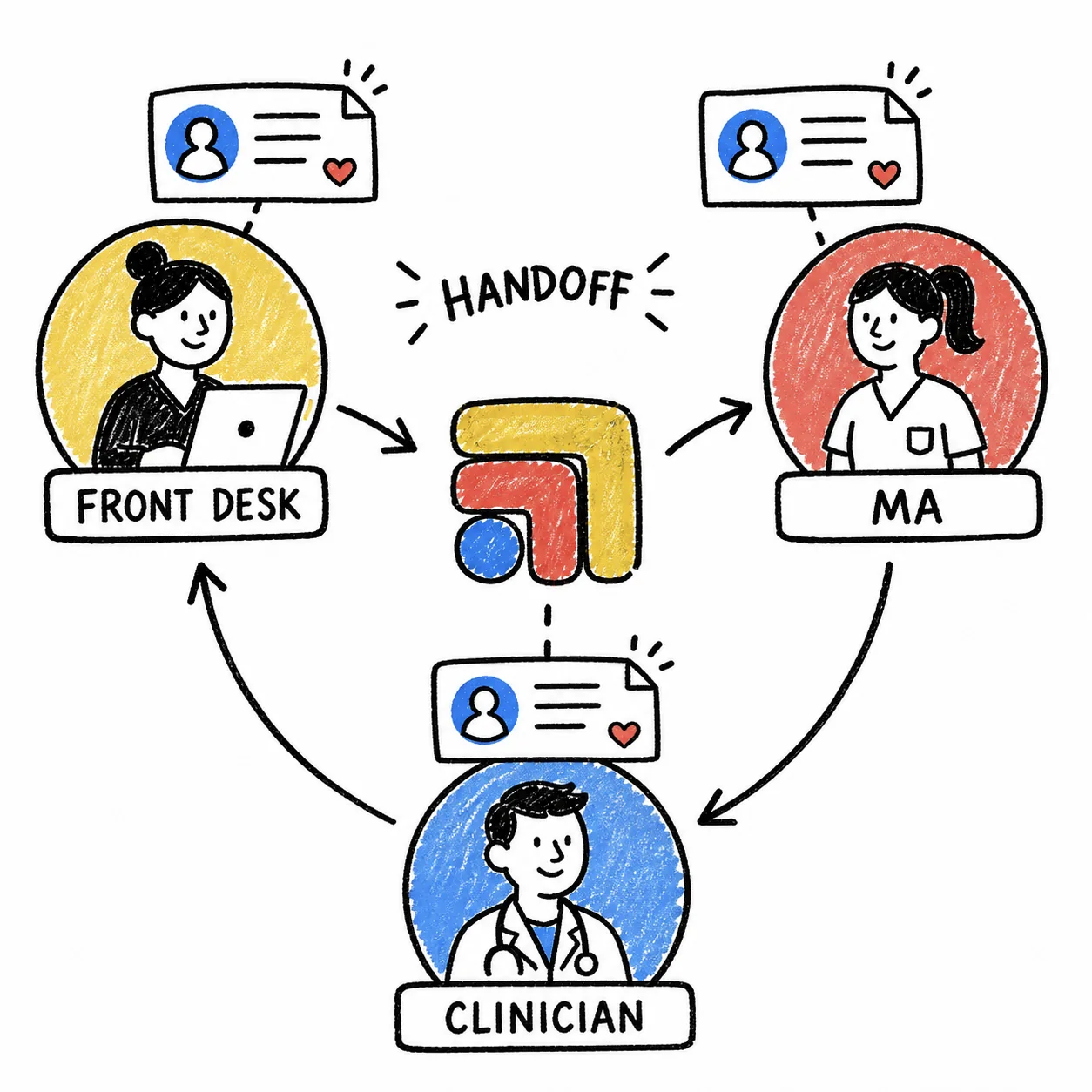
The fix isn't avoiding time off. It's building a coverage plan that separates true emergencies from everything else, and makes sure open work is visible enough that it doesn't just wait, untouched, for the provider to get back.
Why This Is Harder in DPC Than in a Larger Practice
A larger group practice usually has other providers who can absorb urgent needs while one person is out. A solo or two-provider DPC practice often doesn't have that built-in slack. The provider going on vacation might genuinely be the only clinician available, which means the coverage question isn't just "who answers messages," it's "who's actually qualified to make a clinical call if something urgent comes up."
That's a real constraint, and it's exactly why many solo DPC providers end up either not taking real time off, checking messages throughout a supposed vacation, or taking time off and coming back to a backlog that took a week to work through.
The Two Separate Problems Coverage Needs to Solve
Genuine emergencies. These need a real plan: a covering provider if one can be arranged, or a clear, communicated instruction to patients that anything urgent should go to urgent care or the ER while the provider is unreachable. This isn't a workflow problem so much as a relationship and logistics one, worth setting up well before the need is immediate.
Everything else. Routine messages, refill requests, in-progress tasks the provider was tracking, follow-ups on labs or referrals. None of this is a true emergency, but all of it still needs to not silently stall for the entire absence, especially if that absence stretches beyond a few days.
Most practices think hard about the first problem and skip the second entirely, which is how a week-long vacation turns into a week-long backlog that takes another week to clear.
What a Working Coverage Plan Looks Like
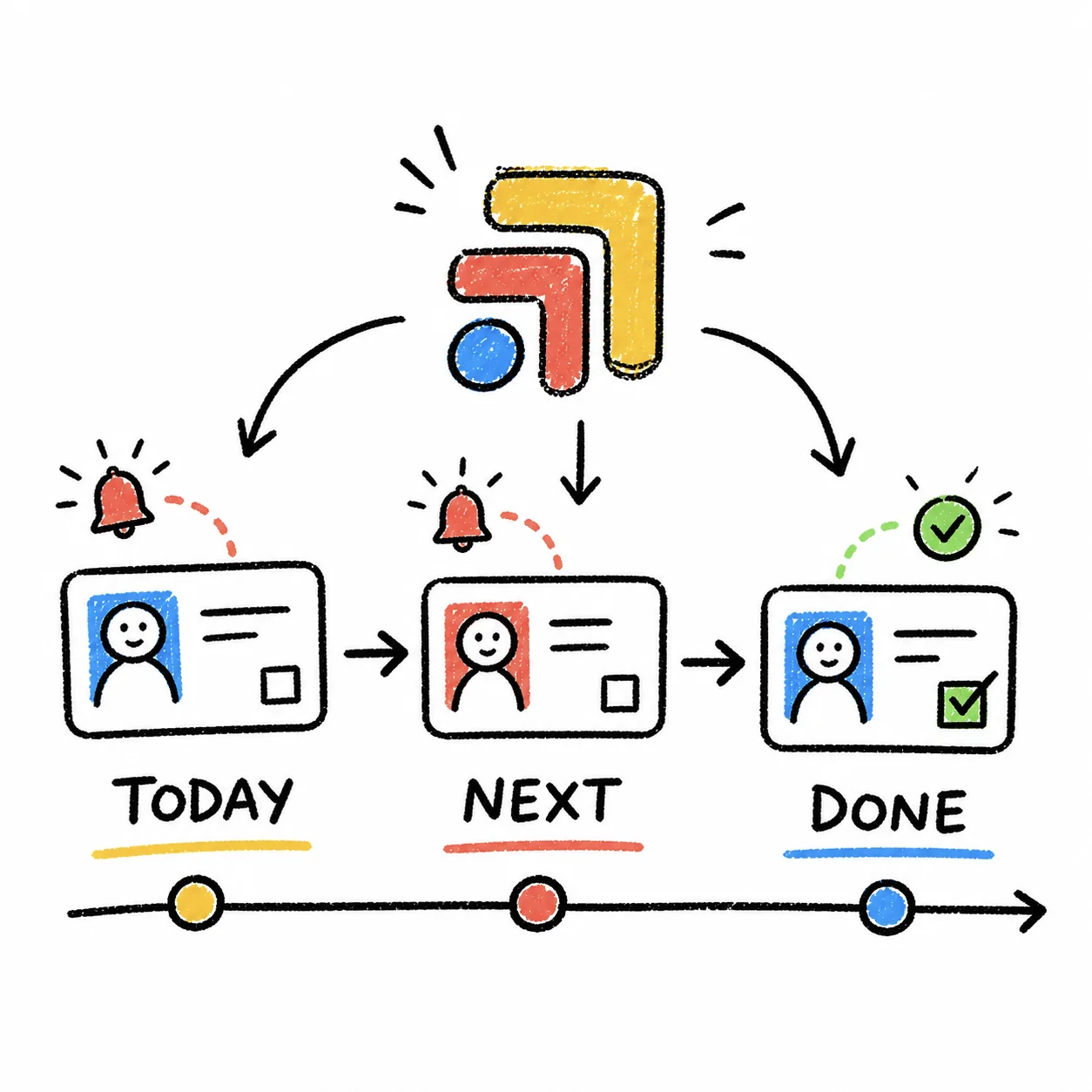
Patients get told, proactively, before the absence starts. Dates, how to reach backup for anything urgent, and an honest expectation for routine messages. A patient messaging into silence, with no idea whether their provider is simply unavailable or something's gone wrong with the practice, is a worse experience than a clear heads-up would have been.
Open tasks get reviewed and reassigned or flagged before the provider leaves, not discovered as a surprise on their first day back. Anything mid-progress, a referral awaiting review, a prior auth needing a signature, a lab result pending interpretation, needs an explicit decision: does this wait, or does it need someone else's eyes while the provider is out.
A defined backup path exists for genuine urgency, even if it's simple. That might be a covering colleague, a formal locum arrangement for longer absences, or, for shorter trips, a clear instruction pointing patients toward urgent care or the ER.
Non-urgent work is visible to whoever's holding down the practice, so front desk or clinical staff aren't guessing at what the provider would have wanted done versus what genuinely needs to wait for their return.
The return isn't a surprise reconstruction project. If tasks stayed visible and tracked the whole time the provider was out, catching up means reviewing a clear list, not trying to remember what was happening the day they left.
Where This Actually Breaks
The common failure isn't a lack of care about patients. It's that a solo provider's open work often lives entirely in their own head or their own inbox, which means an absence doesn't just pause their availability, it makes an entire category of in-progress work invisible to everyone else at the practice until they're back to personally check on it.
This is where Tabflows fits into provider coverage. Open tasks stay visible and assignable regardless of who's currently available, so a provider heading out can reassign or flag anything time-sensitive before they leave, and staff covering day to day aren't guessing at what's safe to let wait. Nothing depends entirely on the provider's personal memory of what was in progress.
A Simple Standard Worth Setting
Before any planned absence: communicate to patients, review and explicitly handle every open task, and confirm the emergency backup path is clear to whoever's covering. That preparation, done consistently, is what makes real time off possible without either a burned-out provider or a practice that quietly stalls until they're back.
FAQs
How can a solo DPC provider take vacation without their practice falling behind?
By arranging backup coverage for genuine emergencies, setting clear patient expectations before leaving, and making sure open tasks and pending follow-ups are visible to whoever's covering, rather than existing only in the absent provider's head.
What should patients be told when their DPC provider is away?
A clear, proactive message: the dates the provider is out, how to reach backup coverage for anything urgent, and that routine messages will be handled when the provider returns, sent before the absence starts, not discovered by a patient messaging into silence.
Does a solo DPC provider need backup coverage for every absence?
For a short absence, a documented plan directing patients to urgent care or the ER for true emergencies may be sufficient. For longer absences, arranging a covering provider, even informally with a nearby colleague, gives patients a real option beyond the ER for non-emergency but time-sensitive needs.
What tasks are most at risk of stalling when a provider is out?
Anything mid-progress that only the provider was tracking: a referral awaiting their review, a lab result pending their interpretation, a prior auth needing their signature. Work that's visible only in one person's memory or inbox is the work most likely to sit untouched during an absence.