The after-hours handoff matters more than the pickup
After-hours coverage gives patients reassurance. Someone answers. Someone captures the message. Urgent issues can be routed. The clinic does not wake up to a pile of mystery voicemails.
That is useful, but it is not the whole workflow.
The real test happens the next morning. Does the clinic know what happened overnight? Does the call connect to the patient? Is there a task? Does the provider need to review anything? Is someone responsible for calling back? Did the after-hours message change the plan for today?
If the answer is unclear, the clinic has coverage without continuity.
Overnight messages need a landing zone
After-hours calls often arrive as a summary, email, portal note, voicemail transcription, or call-center message. Each format is fine as a starting point, but none of them is a completed workflow.
The clinic still needs to triage the message, connect it to the patient, decide what needs review, create the next step, and close the loop. If that handoff depends on somebody reading every message carefully and remembering what to do, the process is fragile.
The solution is not more urgency. It is a calmer landing zone for overnight work.
The morning review should be boring
The best after-hours workflow is not dramatic. It is boring on purpose.
Every after-hours item should become visible in one review queue. The team should be able to see the patient, the message, the likely category, the owner, the due date, and whether provider review is needed. The review should not require hunting across the answering-service dashboard, the EHR, the inbox, the calendar, and someone's memory.
That kind of boring workflow protects patient trust. It also protects the team from starting each morning in detective mode.
Where Tabflows fits
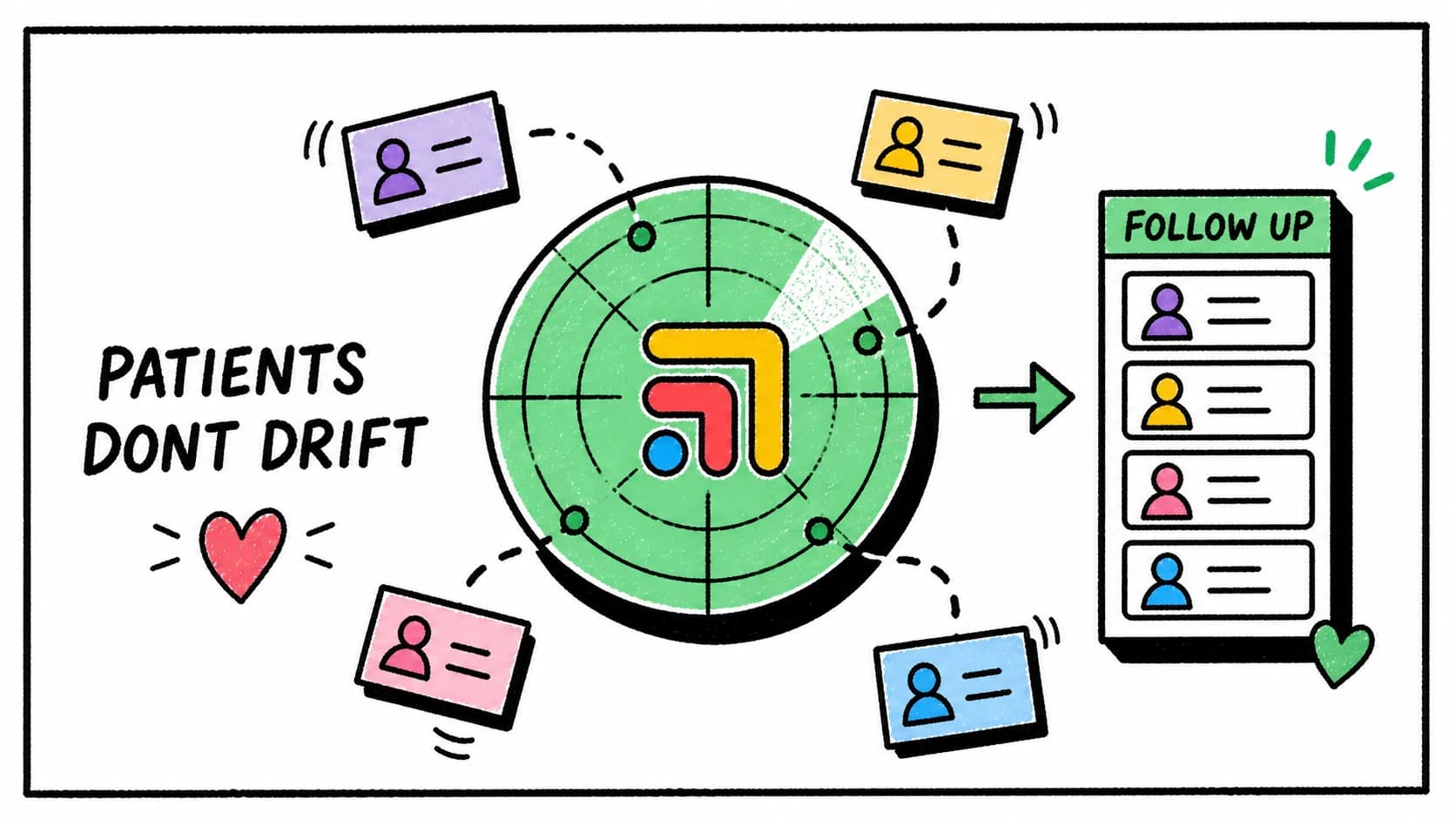
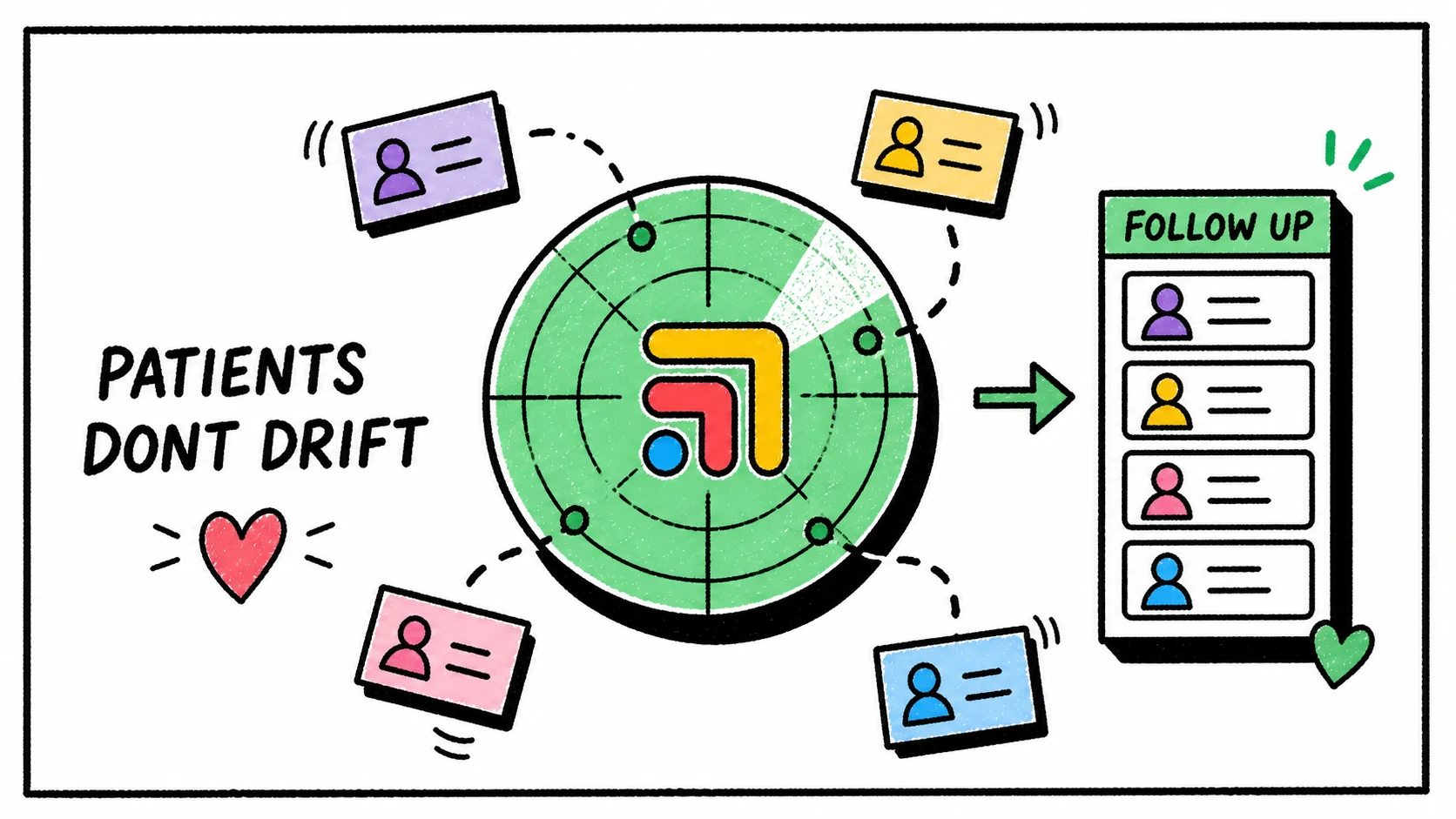
Tabflows gives after-hours work one place to land.
It helps the clinic connect phone messages to patient context, tasks, follow-up ownership, due dates, and review status around the systems the team already uses. The answering service can keep doing the coverage. Tabflows helps the clinic finish the work the coverage creates.
That matters for DPC and concierge clinics because access is part of the promise. Patients value being able to reach the clinic. The clinic also needs a system that keeps that access from becoming scattered work the next morning.
For a broader phone coverage strategy, read Before You Hire a Medical Answering Service, Fix the Work Behind the Call. For follow-up structure, read Patient Follow-Up Software for DPC Clinics.
FAQ
What should happen after an after-hours call?
The clinic should have a clear next-day workflow for reviewing after-hours messages, tying them to patient context, assigning owners, routing clinical review, and closing follow-up.
Why do after-hours calls get lost?
After-hours calls get lost when they arrive as separate notes or voicemails without patient-linked tasks, ownership, due dates, or provider review paths.
How does Tabflows help with after-hours call follow-up?
Tabflows helps turn after-hours messages into visible patient-linked work, with owners, due dates, context, status, and follow-up.
Try Tabflows free and make after-hours work visible before the morning starts.
FAQs
What should happen after an after-hours call?
The clinic should have a clear next-day workflow for reviewing after-hours messages, tying them to patient context, assigning owners, routing clinical review, and closing follow-up.
Why do after-hours calls get lost?
After-hours calls get lost when they arrive as separate notes or voicemails without patient-linked tasks, ownership, due dates, or provider review paths.
How does Tabflows help with after-hours call follow-up?
Tabflows helps turn after-hours messages into visible patient-linked work, with owners, due dates, context, status, and follow-up.