Phone help is useful. Phone handoff is the problem.
A medical answering service can make an independent clinic feel less exposed. Calls get answered. Patients hear a human voice. The doctor is not interrupted every time the phone rings during a visit, chart review, school pickup, or dinner.
That part is real.
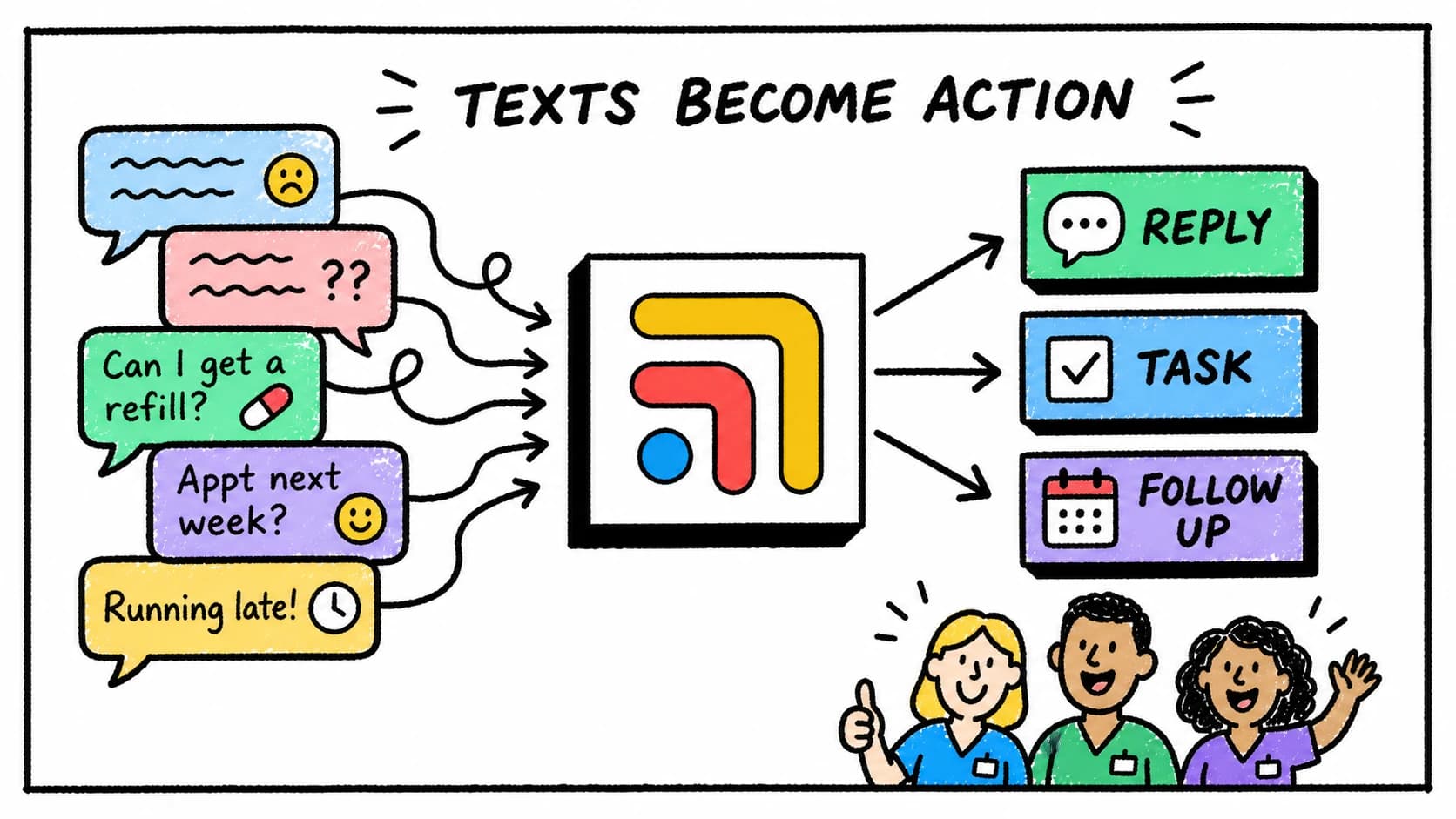
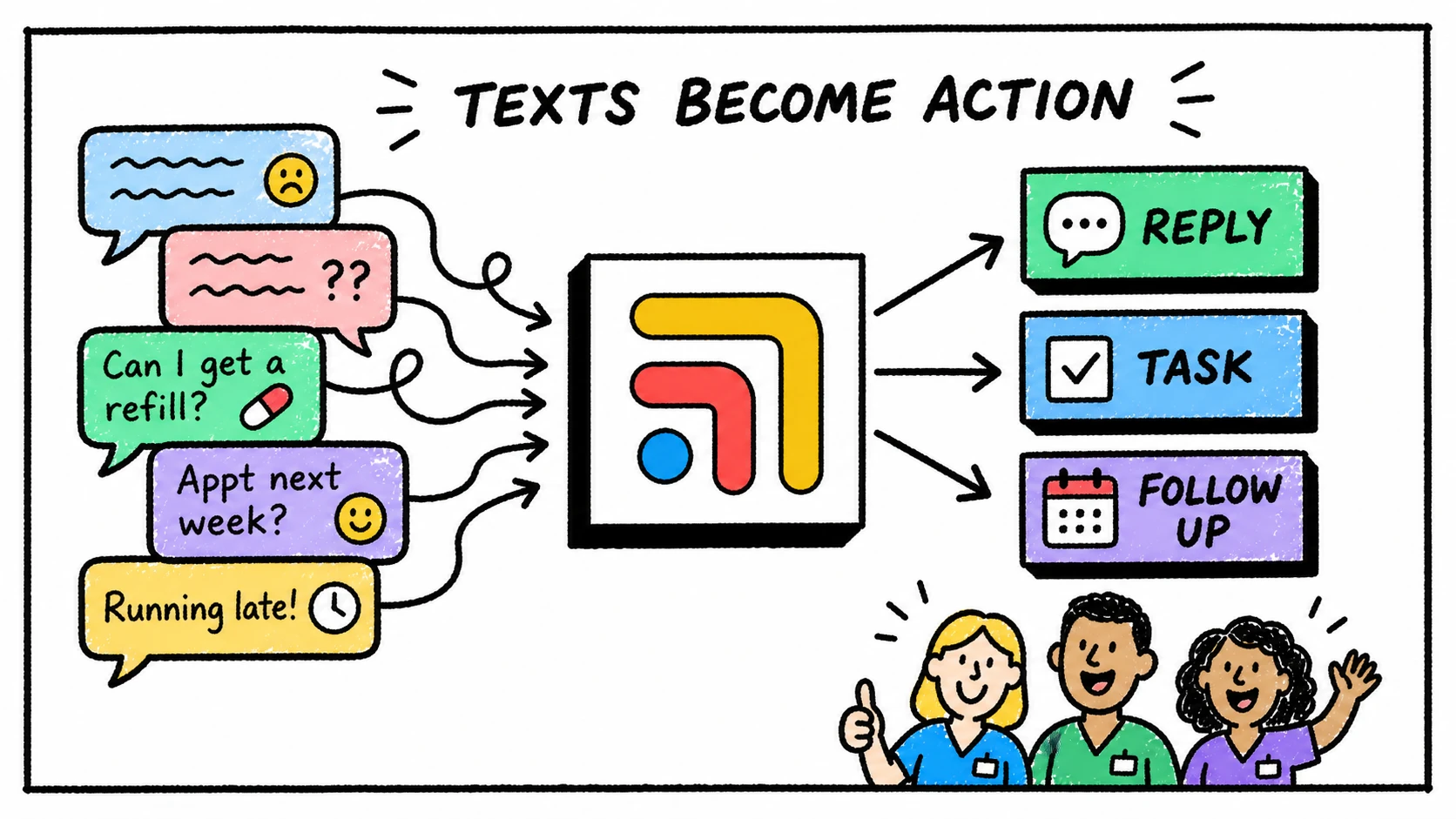
The harder question is what happens after the call. A patient asks about an appointment, refill, lab result, bill, form, symptom, or follow-up. The answering service can capture the message, but the clinic still has to connect that message to the patient, the chart, the calendar, the billing record, the task, the owner, and the next step.
If that work does not have a place to land, the answering service mostly moves the interruption from one person to another. The call is answered, but the follow-through still lives in the gaps between systems.
The hidden work starts after someone picks up
Most clinics think about answering services as a coverage problem. Who picks up when the team is busy? Who covers lunch? Who handles after-hours calls? Who keeps the phone from becoming a constant interruption?
Those questions matter, but they are only the front door.
The real work usually starts after the patient has spoken. Someone has to decide whether the request is administrative, clinical, urgent, routine, billable, schedulable, or something that needs the provider's eyes. Someone has to find the patient in the chart, check the calendar, understand the message, create the task, assign the owner, and make sure the loop closes.
That is not just phone coverage. That is clinic workflow.
The time leak is small until it happens all day
The cost does not have to look dramatic on one call.
A receptionist, VA, or answering-service agent takes the message. Then someone on the clinic team spends thirty seconds finding the patient, another thirty seconds checking the calendar, another minute confirming the chart context, another minute creating or updating the task, and a little more time asking the provider where it belongs.
That feels like nothing. Then it happens forty times.
| Call handoff | Conservative math | What it becomes |
|---|---|---|
| Finding context after a call | 2 minutes x 30 calls a day | An hour a day of pure stitching |
| Same pattern across the team | 5 days a week | A real chunk of clinic capacity |
The answering service did its job. The problem is that the clinic still needs a workflow for the work the call created.
Fix the route before you outsource the call
Before hiring a medical answering service, define the shape of the handoff.
What counts as scheduling? What counts as refill work? What needs provider review? What information should be captured on every message? Where should the task live? Who owns the callback? How does the clinic know whether the issue is done, waiting, blocked, or escalated?
Without those answers, the answering service has to improvise. The clinic gets a cleaner phone line, but the team still spends the day translating messages into work.
With those answers, outsourced phone coverage becomes much more useful. The person taking the call can capture the right information, route it to the right place, and avoid turning every call into a mystery.
Where Tabflows fits
Tabflows gives the work one shared place to land around the tools your clinic already uses.
It does not replace your answering service, EHR, calendar, billing system, or patient messaging tool. It gives your team one layer for patient context, tasks, owners, due dates, follow-ups, and AI-assisted draft work, so phone messages do not become loose notes floating outside the clinic's operating system.
If you hire phone help, Tabflows helps that help become more useful. If you are not ready to hire, Tabflows can reduce the amount of call-related chasing your current team has to do.
For the staffing version of this same decision, read Before You Hire a Medical VA, Fix the Work They Would Be Chasing. For message-heavy clinics, read Spruce helps patients reach you. Tabflows helps your team finish what those messages start..
FAQ
Should a DPC clinic hire a medical answering service?
A medical answering service can help when phones are interrupting care, but clinics should first define what happens after the call: where patient context lives, who owns the task, what needs clinical review, and how follow-up is tracked.
What should a clinic fix before outsourcing phone calls?
Before outsourcing calls, the clinic should define call categories, escalation rules, scheduling workflows, refill boundaries, message documentation, task ownership, and follow-up visibility.
How does Tabflows help with medical answering service workflows?
Tabflows gives the team one shared workflow layer for patient context, tasks, owners, due dates, follow-ups, and AI-assisted drafts around the phone, inbox, EHR, calendar, and billing system.
Try Tabflows free and give phone work one place to land before you add more people to answer it.
FAQs
Should a DPC clinic hire a medical answering service?
A medical answering service can help when phones are interrupting care, but clinics should first define what happens after the call: where patient context lives, who owns the task, what needs clinical review, and how follow-up is tracked.
What should a clinic fix before outsourcing phone calls?
Before outsourcing calls, the clinic should define call categories, escalation rules, scheduling workflows, refill boundaries, message documentation, task ownership, and follow-up visibility.
How does Tabflows help with medical answering service workflows?
Tabflows gives the team one shared workflow layer for patient context, tasks, owners, due dates, follow-ups, and AI-assisted drafts around the phone, inbox, EHR, calendar, and billing system.