The Short Version
A full panel is a good problem, until the waitlist meant to capture that overflow demand turns into a static list nobody's actively managing. Interested patients who joined months ago quietly lose interest, forget they signed up, or find another provider, and when a spot finally opens, the practice is reaching out to people who are no longer actually available or interested.
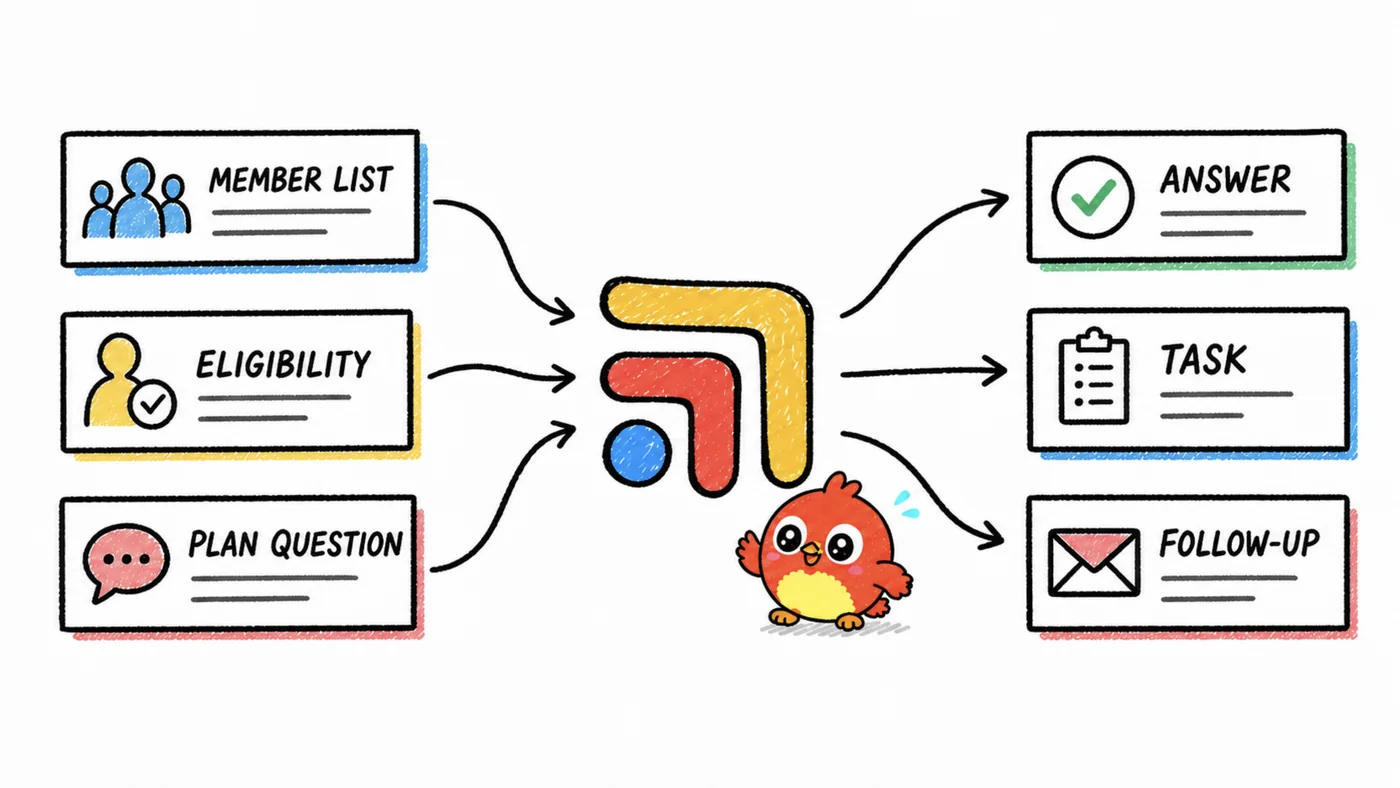
A waitlist only works if it's treated as an active list, checked in on periodically, not a one-time capture-and-forget.
Why Waitlists Go Stale
The moment a patient joins a waitlist, their interest is real and current. Three, six, nine months later, without any contact from the practice in between, that interest has often faded, or the patient found care elsewhere out of necessity while waiting. None of that is a failure of the waitlist idea. It's what happens naturally to any list that isn't actively maintained.
The problem shows up specifically when a spot finally opens. The practice reaches out to the first name on the list, only to learn they're no longer interested, then the next name, same result, and what should have been a same-week fill turns into weeks of outreach attrition before someone available actually says yes.
What a Working Waitlist Looks Like
Every entry is logged with a join date and contact preference, not just a name jotted down somewhere informal. This is the baseline that makes the rest of the system possible.
Periodic check-ins keep the list accurate. Reaching out every few months, a simple "still interested?" message, does two things: it confirms who's genuinely still waiting, and it keeps the practice visible to people who might otherwise forget they signed up at all.
Fill order is clear and consistent, whether that's strictly by join date or influenced by other factors like insurance fit or clinical need. Whatever the logic, it should be consistent and defensible, not ad hoc and dependent on whoever happens to remember the list exists when an opening comes up.
Openings get worked immediately, not queued for later. A spot that just opened is time-sensitive on both ends: the practice wants it filled, and the next available person on the list may lose interest the longer they wait to hear back.
People who decline stay on record, rather than getting silently dropped. Someone who says "not right now" might genuinely mean it and be worth checking back with later, distinct from someone who's actively found care elsewhere and should be removed.
Where This Actually Breaks
The typical failure isn't a lack of interest in maintaining the waitlist. It's that the list itself lives somewhere static, a spreadsheet, a notebook, a running note, that nobody has a reason to revisit until an opening actually appears. By then, a meaningful chunk of the list is already out of date, and the practice is essentially working from stale information under time pressure.
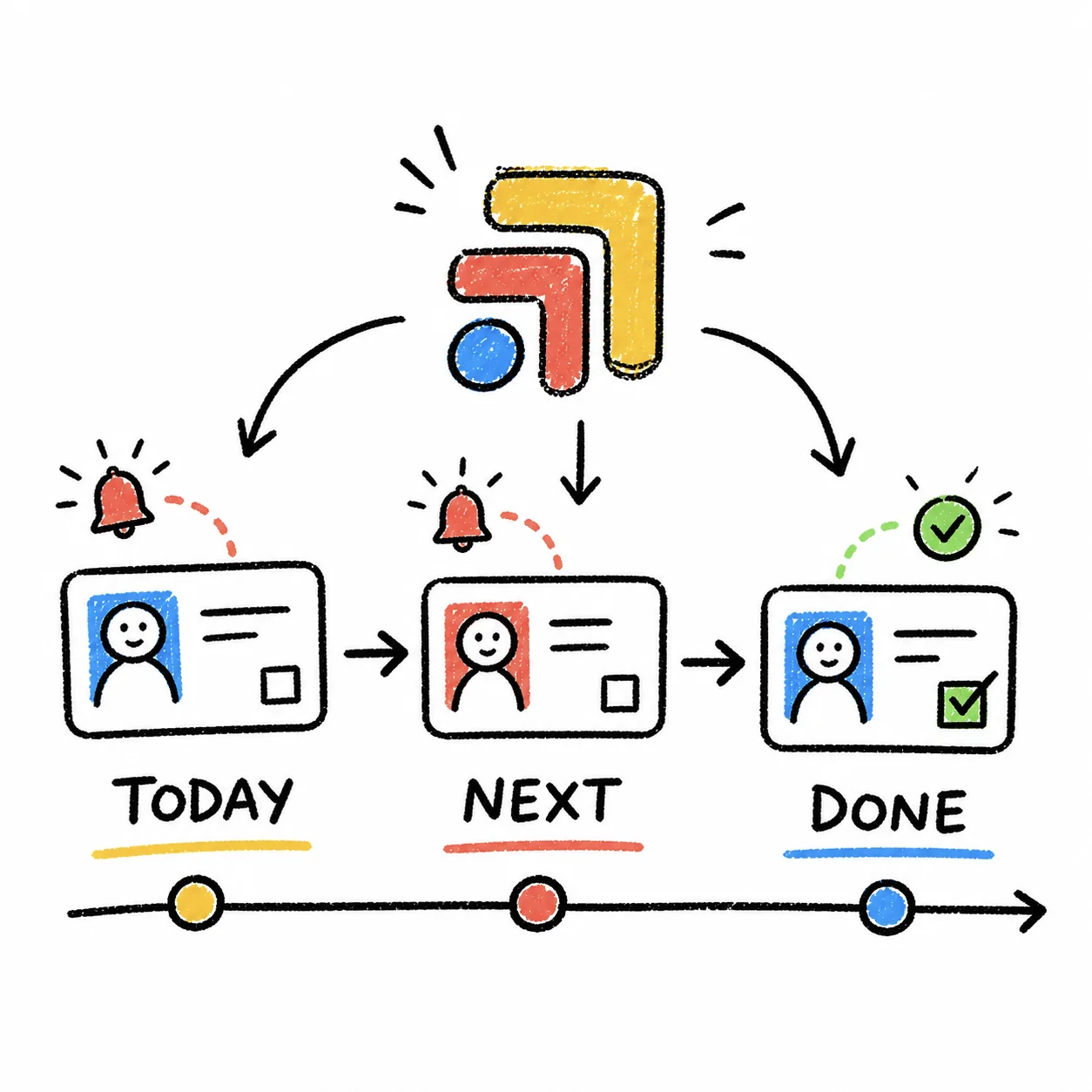
This is where Tabflows fits into waitlist management. Each waitlisted patient becomes a task with a join date and a recurring check-in reminder, so periodic outreach happens on schedule instead of only when someone remembers the list exists. When an opening comes up, the practice is working from a current, accurate list instead of guessing which entries are still live.
The Standard Worth Setting
Log every waitlist entry with a date, check in every few months to keep the list current, and work openings the same day they appear. That standard is what turns a waitlist from a passive parking lot into an actual, reliable pipeline for filling a full panel.
FAQs
How should a DPC practice run a waitlist once the panel is full?
Track every waitlisted person with the date they joined and their contact preferences, reach out periodically to confirm continued interest, and fill openings in a clear, consistent order rather than an ad hoc one. A waitlist that isn't actively managed tends to go stale, with interested patients drifting away before a spot ever opens.
How often should a practice check in with waitlisted patients?
Every few months is reasonable for most panels, both to confirm they're still interested and to keep the practice top of mind. A patient who joined a waitlist eight months ago without any contact since has often moved on, even if they're still technically on the list.
What happens if a waitlist isn't actively managed?
It becomes a static list that quietly loses accuracy over time: some people have moved on, some have found another provider, and the practice has no way to know who's still genuinely interested when a spot finally opens, leading to slow, inefficient outreach when it matters most.
How quickly should an opening be filled from the waitlist?
As fast as the outreach and decision process allows, ideally within days. A slow fill process risks the opening sitting empty longer than necessary while also risking the first person contacted having lost interest by the time anyone reaches them.