The Short Version
A payment plan agreed to in conversation and then not actively tracked tends to drift. Payments slip, nobody notices for a while because there's no active monitoring, and by the time the gap is large enough to prompt a conversation, it's a harder, more uncomfortable conversation than it would have been if the drift had been caught early. The fix is treating every payment plan as an ongoing tracked commitment, not a one-time conversation that's considered resolved once the arrangement is made.
Why This Slips More Than Other Billing Tasks
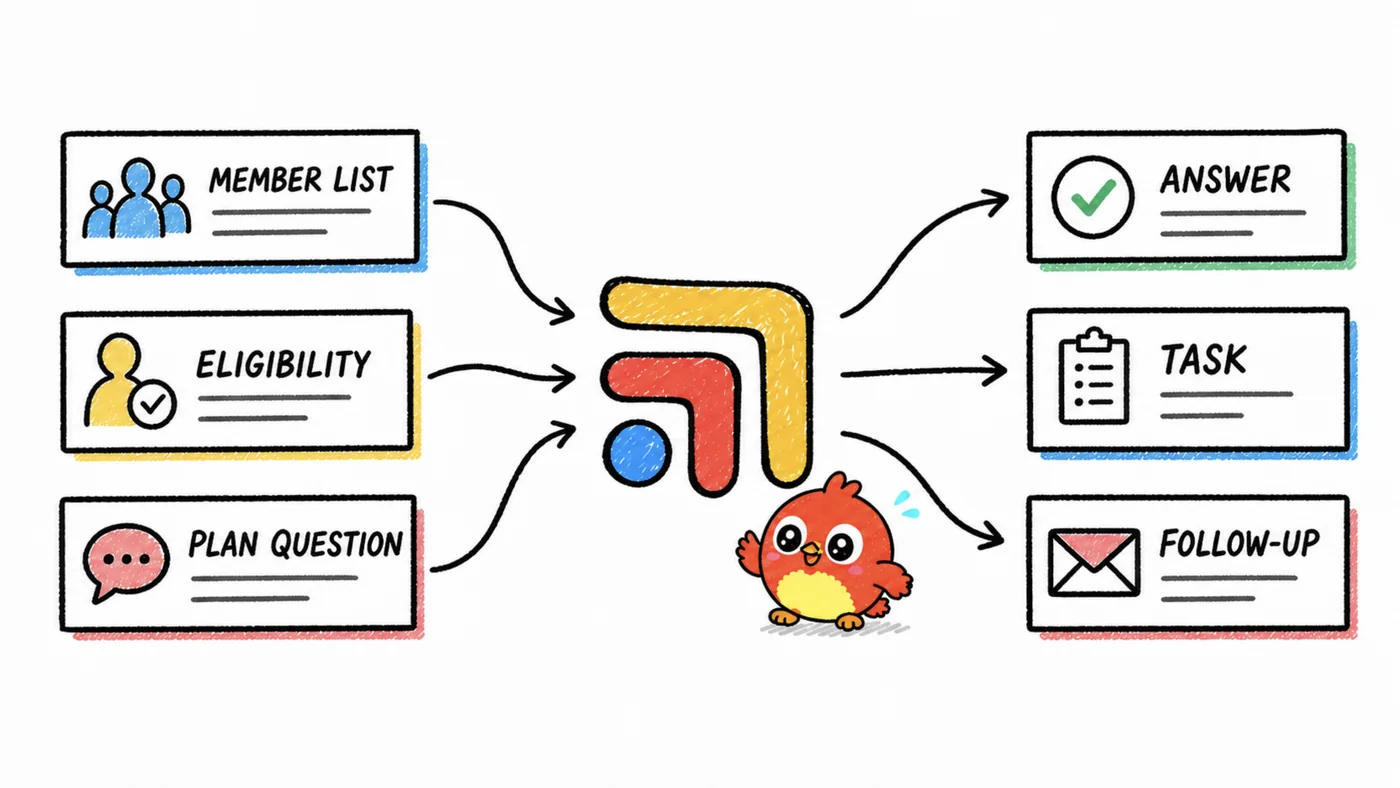
Most billing processes run on a system, charges, declines, that surfaces problems automatically. A manually arranged payment plan often exists outside that system, an informal agreement noted somewhere, without the same automatic tracking a regular recurring charge would have. That means its ongoing health depends on someone actively remembering to check whether payments are keeping pace, rather than a system flagging it the moment something's off.
This is compounded by the fact that these conversations are often sensitive, financial hardship isn't a comfortable topic, which makes staff understandably reluctant to revisit them frequently. That reluctance, reasonable on its own, can mean a plan drifts for months before anyone circles back.
What Consistency Actually Protects
Beyond just making sure payments happen, a documented, consistently applied policy protects the practice from a subtler risk: the appearance, or reality, of inconsistent treatment across different patients. Without a clear framework, decisions about who gets a payment plan, on what terms, and how flexible the practice is willing to be, can end up varying based on who happens to be handling the conversation that day, which is both unfair to patients and hard to defend if ever questioned.
A documented baseline policy, applied evenly with room for genuine individual circumstances, avoids that drift.
What a Working Payment Plan Workflow Looks Like
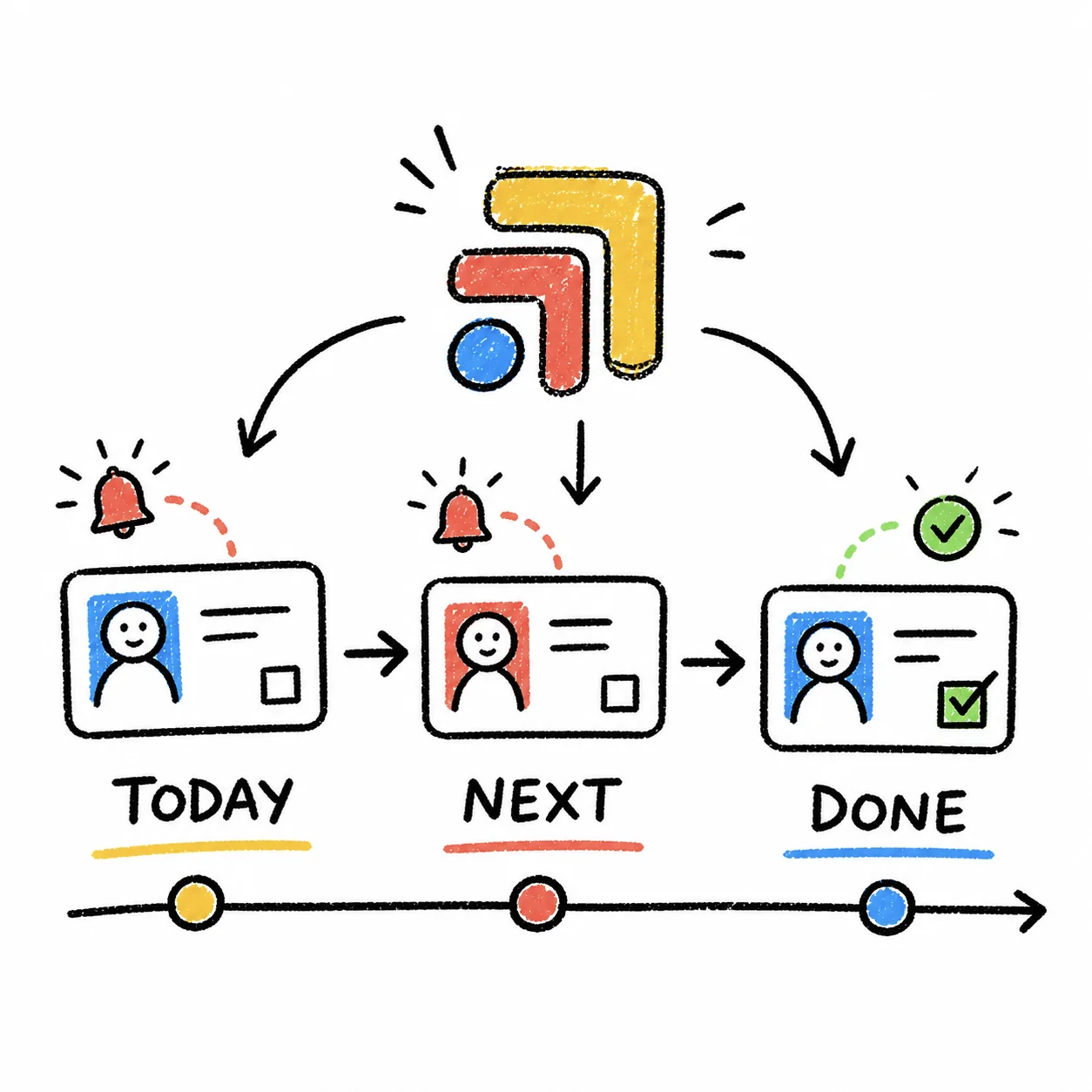
Every plan gets logged with its full terms, the total amount, the schedule, and any relevant context about the hardship circumstances, in one place rather than scattered across a conversation note and a billing system that don't talk to each other.
Payments get tracked against the schedule actively, not just recorded as they come in with no comparison to what was supposed to happen. A payment that's a week late is worth noticing at a week, not at two months when the pattern's become entrenched.
Missed payments trigger a proactive, low-pressure check-in, not silence followed eventually by an escalated collections conversation. Catching a slip early, while it's still small, keeps the conversation easier for everyone involved.
The practice's policy is documented and applied consistently, so decisions about payment plan eligibility and terms don't depend on which staff member happens to be having that particular conversation.
Completed plans get formally closed out, so there's a clear record that a hardship arrangement was successfully fulfilled, useful both for the practice's own records and, if relevant, for future conversations with that same patient.
Where This Actually Breaks
The common failure isn't lack of goodwill toward patients facing financial hardship. It's that the arrangement, once made, exists outside any system that would naturally surface drift, so consistency depends entirely on someone proactively remembering to check in, on a topic that's understandably uncomfortable to revisit often. Without active tracking, plans either get forgotten in a good way, quietly kept up by the patient with nobody checking, or forgotten in a bad way, quietly slipping until the gap is significant.
This is where Tabflows fits into payment plan tracking. Each plan becomes a tracked commitment with its schedule and terms attached, generating a check-in when a payment is missed rather than depending on someone remembering to look. The practice's policy stays consistent because every plan follows the same visible, tracked process rather than living in individual memory.
The Standard Worth Setting
Document every plan's full terms at the start, track payments against the schedule actively, and follow up at the first sign of drift rather than waiting for a significant gap. That standard keeps financial hardship accommodations genuinely helpful, for the patient and sustainable for the practice, rather than a well-intentioned arrangement that quietly falls apart from lack of follow-through.
FAQs
How should a small practice handle patient requests for payment plans?
With a documented, consistent policy applied the same way for every request, and a tracking system that follows each plan through to completion, rather than ad hoc arrangements made verbally and then not actively monitored for whether payments are actually being kept up.
Why do payment plans often fail to get followed through on?
Because the initial arrangement is usually made in a single conversation, and without ongoing tracking, nobody proactively checks whether payments are staying on schedule until a balance has grown large enough to become impossible to ignore, at which point the conversation is more difficult than it needed to be.
Should every patient get the same payment plan terms?
Having a consistent baseline policy, applied evenly, protects both fairness and the practice from the appearance of arbitrary decisions. Individual circumstances can still be considered, but within a documented framework rather than case-by-case improvisation that's hard to explain consistently if questioned.
What should be tracked for each payment plan?
The agreed terms, the schedule, actual payments received against that schedule, and any communication about hardship circumstances, logged in one place so a plan's status is always clear rather than requiring someone to reconstruct it from memory or scattered notes.