The Short Version
Quality control logging for point-of-care testing is one of those tasks that's genuinely quick to do and surprisingly easy to skip, not because anyone decides to skip it, but because a missed day rarely feels consequential in the moment. The trouble is that QC requirements are often daily or per-lot, and a log with scattered gaps looks the same to an inspector whether those gaps came from oversight or from equipment that was actually malfunctioning.
The fix isn't more discipline from any one person. It's making the log itself impossible to forget, tied to the testing workflow rather than sitting as a separate task someone has to remember on top of everything else.
Why This Specific Task Slips
Most QC checks take well under a minute: run a control sample, confirm the result falls within the expected range, write it down. The action itself isn't the hard part. What's hard is doing it every single day, for every applicable test, without fail, across weeks and months, competing against a clinic day full of things that feel more immediately pressing.
A skipped log entry doesn't cause any visible problem that day. The equipment presumably still worked fine. Nothing goes wrong that anyone notices. That's exactly what makes it easy to let slide, there's no natural feedback telling you the skip mattered, until months later when a gap in the log becomes a finding during an inspection or audit.
What Makes QC Logging Different From Other Documentation
Most clinical documentation happens naturally as part of delivering care, a chart note gets written because the visit happened. QC logging is different: it's a standalone administrative step that exists purely to document that equipment is working, disconnected from any specific patient encounter. That disconnection is exactly why it's easy to deprioritize in the moment, and why it needs its own explicit trigger rather than relying on it happening "naturally."
What a Working QC Logging System Looks Like
Every applicable test has a clear, documented required frequency. Daily, per lot, per shift, whatever the actual requirement is for that specific test and equipment, should be explicit and known, not left to institutional memory or a guess.
The log entry happens at the same time as the check, not after the fact. A QC check performed at 8am and logged at 8am is accurate. A QC check performed at 8am and "logged" at the end of the day from memory is a reconstruction, and reconstructions are where errors and gaps creep in.
Gaps get flagged the same day, not discovered weeks later. If a required daily check hasn't been logged by a certain point in the day, that should be visible to whoever's reviewing, not something that only surfaces during a monthly or quarterly review when it's too late to do anything but note the gap.
Out-of-range results trigger an immediate next step, not just a note. A control result outside expected range means the equipment needs troubleshooting before it's used for patient testing, and that decision shouldn't wait for someone to review the log later.
One person owns periodic review of the full log, checking for gaps and patterns, not just individual results. A single missed day might be nothing. A recurring pattern of missed Fridays might indicate a scheduling or staffing gap worth addressing directly.
Where This Actually Breaks
The common failure is treating QC logging as a background task that happens if there's time, rather than as a required step directly attached to running the test itself. Without that direct attachment, logging depends entirely on whoever's busy morning includes remembering it, and busy mornings are exactly when it's most likely to get skipped.
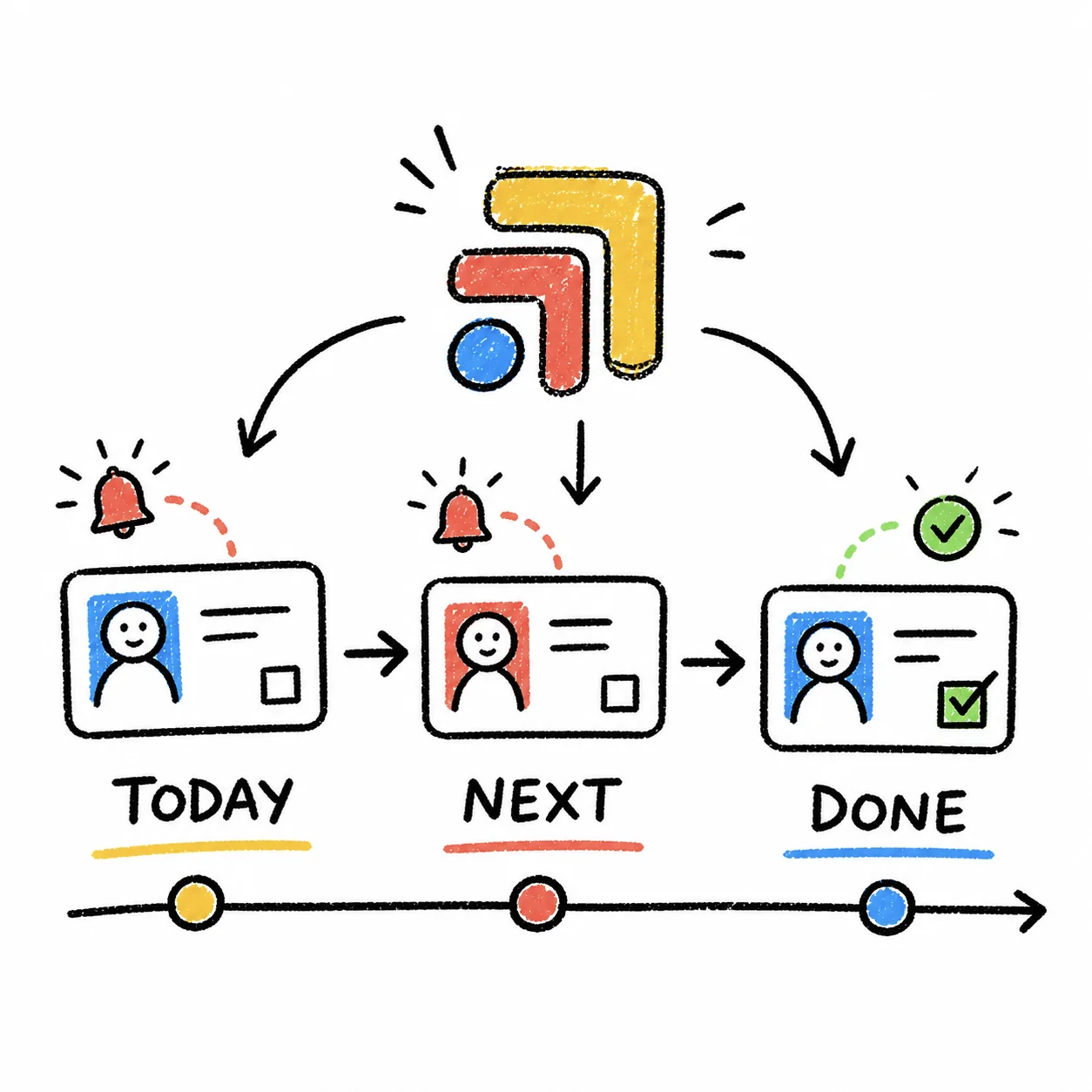
This is where Tabflows fits into QC logging. Daily and per-lot checks become recurring tasks tied to the actual testing workflow, visible as due each day rather than living only in a paper logbook that's easy to forget when things get busy. Missed entries are visible immediately, not discovered during a review months later, and out-of-range results can be flagged for immediate follow-up rather than sitting as just another line in a log.
The Standard Worth Setting
Log every QC check at the moment it's performed, know the required frequency for every test explicitly, and review the full log regularly for gaps rather than waiting for an inspection to find them first. That standard is what keeps QC documentation from becoming the thing everyone scrambles to reconstruct right before someone comes to look at it.
FAQs
What is point-of-care testing quality control logging?
It's the routine documentation required to show that in-house testing equipment, glucose meters, rapid strep tests, urine analyzers, and similar devices, is functioning correctly, typically involving daily or per-run control checks logged against expected ranges.
How often does QC logging need to happen?
It depends on the specific test and equipment, but many point-of-care tests require QC checks daily or with each new lot of test kits, not just periodically. Missing the required frequency is one of the most common documentation gaps found during inspections.
Why do QC logs often have gaps?
Because the check itself is quick, but logging it consistently, every single day, across every applicable test, competes with the busier, more visible parts of a clinic day. A skipped day rarely feels significant in the moment, but gaps add up and are exactly what an inspection looks for.
Who should be responsible for QC logging?
Whoever's running the point-of-care tests that day should log the check at the time it's performed, with one person, often the CMA lead or practice manager, responsible for periodically reviewing the log for gaps before they become a pattern.