The Short Version
A new patient inquiry is the easiest lead a clinic will ever get, someone already interested, already asking, and it's also one of the easiest to lose. Not because staff don't want to respond, but because inquiries arrive through too many different channels for any one person to reliably see all of them.
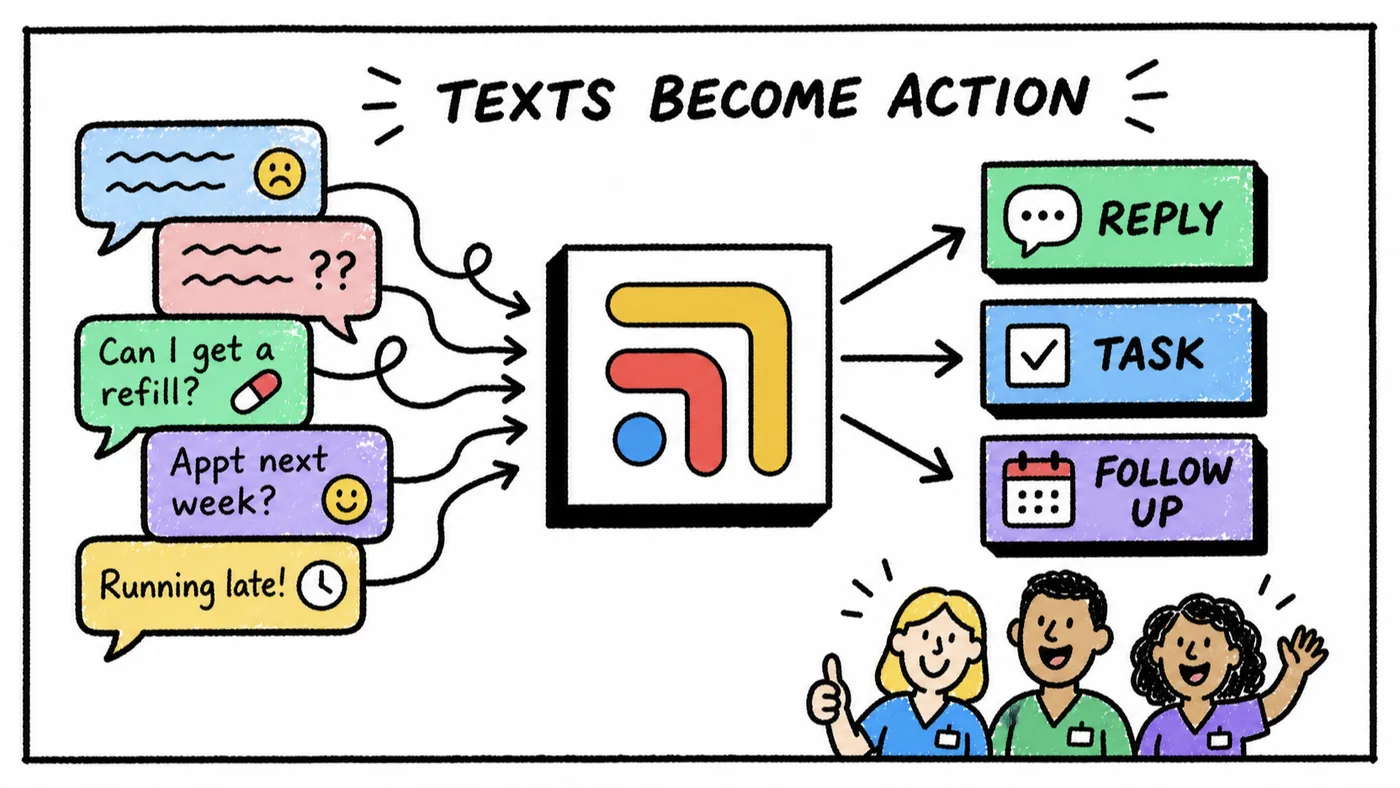
The fix isn't a better phone system or a fancier contact form. It's consolidating every channel into one list with one owner, so an inquiry from Tuesday's website form gets the same fast response as a Tuesday phone call.
Why Inquiries Scatter Across Channels
A prospective patient can reach out through a phone call, a website contact form, a message through Spruce or a patient portal, a walk-in, or a referral from an existing member who mentioned the clinic. Each of these channels typically has a different person checking it, on a different schedule.
The front desk checks voicemail. Someone else checks the website form inbox, maybe once a day. Spruce messages might get seen by whoever's covering messaging that shift. None of these people necessarily know what came in through the other channels, so there's no single view of "here's everyone who reached out this week and here's who we've responded to."
An inquiry doesn't need to be actively ignored to go cold. It just needs to land in a channel nobody happened to check that day.
What Happens When Response Time Slips
People asking about a new primary care provider are usually asking because something prompted it: a new insurance situation, a move, dissatisfaction with a current provider, a recommendation from a friend. That urgency has a shelf life. A same-day response catches someone still actively deciding. A response three or four days later often reaches someone who already booked somewhere else, or lost the thread of why they reached out in the first place.
This is especially costly for DPC and hybrid practices, where a single new membership represents meaningful recurring revenue, not just one visit. Losing an inquiry to slow response isn't a missed appointment, it's a missed member.
What a Working Inquiry Workflow Looks Like
Every channel feeds into one list. Phone, web form, portal messages, walk-ins, all of it needs to land somewhere a single person can see the full picture, not scattered across five separate inboxes that only make sense to whoever normally checks each one.
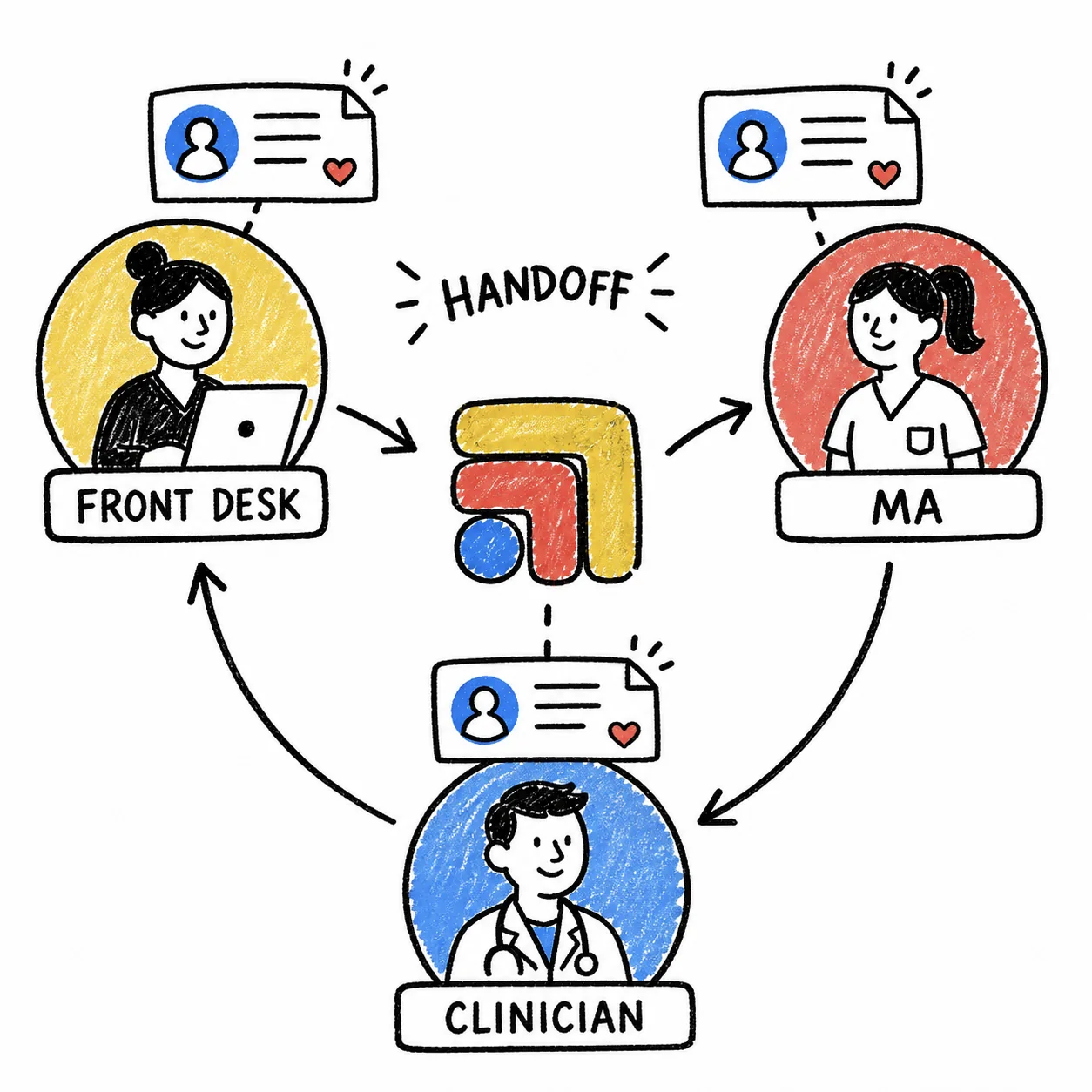
One person owns first response, regardless of which channel the inquiry came through. This doesn't mean that person answers every clinical question personally. It means they're responsible for making sure every inquiry gets touched the same day, even if the touch is "thanks for reaching out, here's what happens next" while a more detailed answer gets routed to a clinician.
Inquiries get a same-day response standard, not a same-week one. This is the single highest-leverage change most clinics can make here. Even a short acknowledgment same-day beats a perfect, detailed answer three days later.
Clinically complex inquiries get flagged for the right person, instead of being answered generically by whoever's fastest to reply. A question about whether the practice can manage a specific chronic condition needs different handling than "what are your hours."
Nothing closes as "handled" until there's an actual outcome, booked, declined, or determined not a fit, not just "we replied once." An inquiry that got one message and then silence isn't resolved, even if it feels resolved to whoever sent that first reply.
The Real Failure Pattern
This isn't usually a staffing problem. Most clinics have enough people to respond to inquiries quickly. What's missing is a single place where all the channels converge, so responding quickly doesn't depend on happening to check the right inbox at the right time.
It's the same shape as other operational gaps: real work, being done inconsistently, because the information needed to do it lives scattered across separate systems that don't talk to each other.
This is where Tabflows fits into an inquiry workflow. Every inquiry, regardless of channel, becomes a task with an owner and a same-day due date, so nothing depends on remembering to check the website form inbox on top of voicemail on top of Spruce. The front desk sees one list. Clinically complex inquiries get routed to the right person without getting lost in translation between systems.
What Getting This Right Actually Buys
A fast, consistent response to every inquiry isn't just good service, it's the difference between a full panel and a slowly leaking one. Most clinics don't lose new patients because the practice isn't a good fit. They lose them because nobody got back to them in time to find out.
FAQs
How quickly should a clinic respond to a new patient inquiry?
Within the same business day, ideally within a few hours. Inquiries that sit for two or three days lose a large share of interested patients to whichever practice responds first, since most people asking about a new provider are also asking elsewhere.
Who should handle new patient inquiries in a small clinic?
One named person, usually front desk or office admin, should own first response for every inquiry, regardless of which channel it came in on. Splitting ownership between roles without a clear default owner is how inquiries get assumed to be someone else's job.
Why do new patient inquiries fall through the cracks?
Because they arrive through multiple channels, phone, website form, Spruce, walk-in, and nothing consolidates them into one list. Each channel looks fine in isolation; the problem is invisible until someone asks why a specific inquiry from three weeks ago never got a reply.
Should every new patient inquiry get the same response?
No. A general question about availability needs a fast, simple reply. A detailed clinical question, or an inquiry involving a complex medical history, may need a nurse or provider's input before responding. Treating both the same either slows down easy inquiries or rushes complicated ones.