The Short Version
A medical records request isn't finished when someone starts working on it. It's finished when the records are verified, released, and confirmed delivered, inside a legal deadline that starts ticking the moment the request lands. Most clinics don't lose these requests through refusal. They lose them by treating the request like routine paperwork that can wait for a slower day, without anyone tracking the date it's actually due.
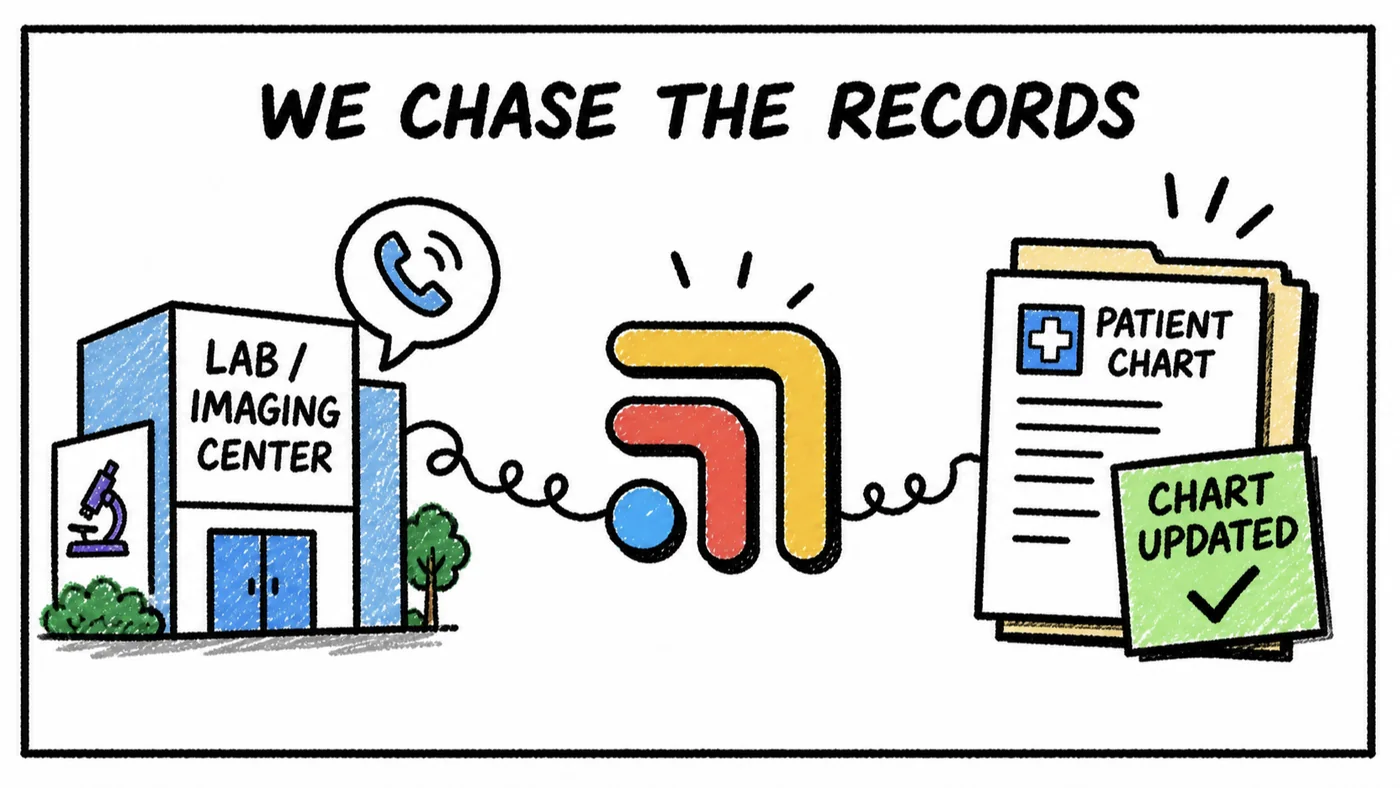
Why Records Requests Are Easy to Deprioritize
A records request rarely feels urgent when it arrives. It's not a patient sitting in the waiting room. It's a fax, a portal message, or a form from an attorney's office or another provider, and it can look like something to get to later. The trouble is that "later" has a hard legal deadline attached, one that isn't always obvious from looking at the request itself.
Without a system tracking that deadline explicitly, records requests tend to sit in a pile with everything else that isn't urgent today, until someone happens to notice the date and realizes it's already close, or already past.
What Makes This Different From Other Task Types
Most clinical tasks have some flexibility. A refill can go out a day late without real consequence. A records request often can't, because the deadline is set by state law or regulation, not by clinic convenience. That changes what "on time" means: it's not a best-effort target, it's a compliance requirement.
At the same time, records requests require a verification step most other tasks don't: confirming the requester actually has the legal right to the information before anything gets released. Skipping that step to move faster creates a different kind of risk than missing the deadline in the first place.
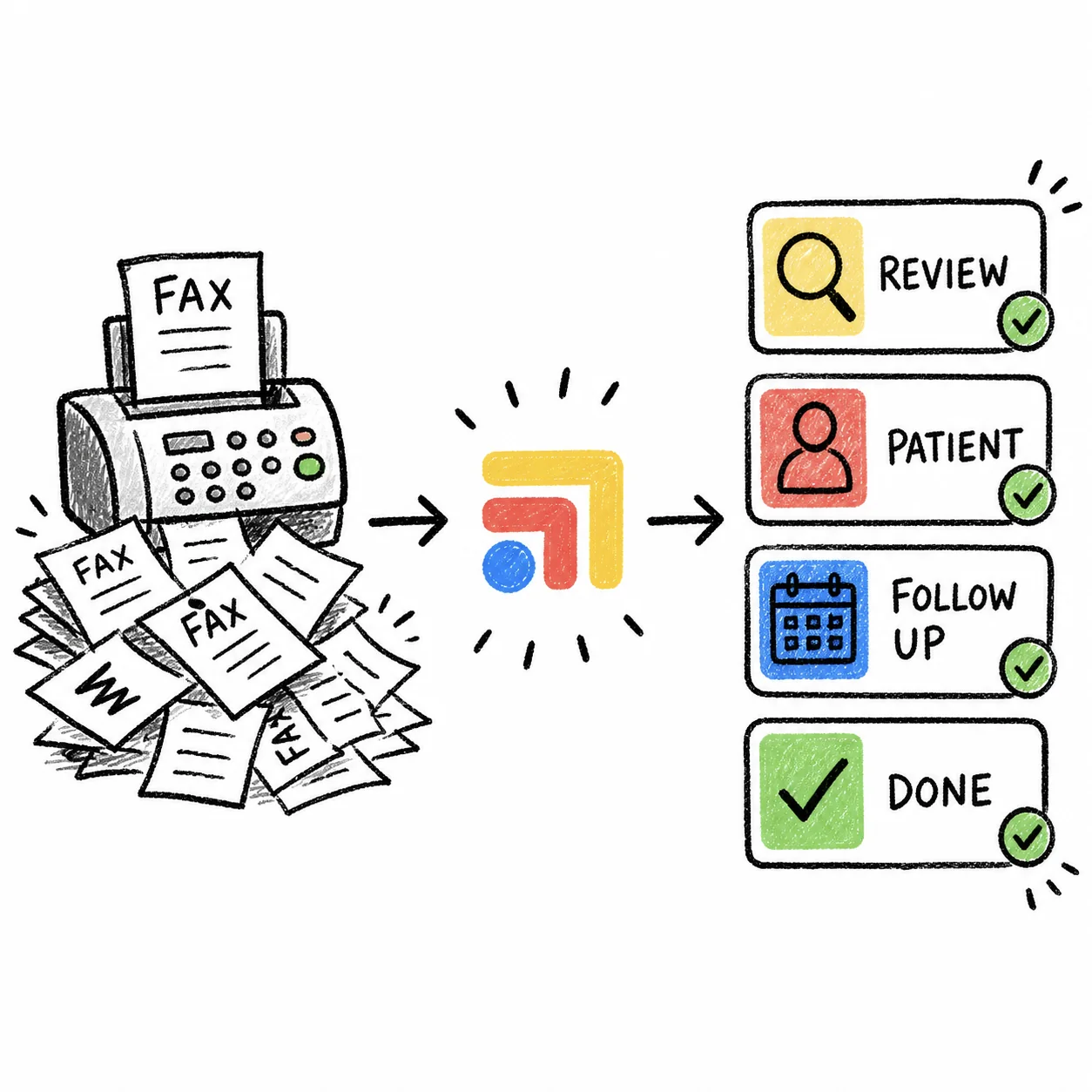
What a Working Records Request Workflow Looks Like
Every request gets logged the day it arrives, with the legal due date calculated and attached immediately, not estimated later from memory. If your state gives 15 or 30 days, that date should be visible from day one, not calculated retroactively when someone finally opens the request.
Verification happens before anything gets pulled or sent. Confirming the requester's authorization, whether it's the patient themselves, a legal representative, or another provider with a signed release, is a required step, not a formality to skip when things get busy.
One person owns the full queue. Records requests that get divided up ad hoc, whoever's free grabs the next one, tend to lose track of which requests are actually still open. A single owner, or a single point of accountability if more than one person processes requests, keeps the full picture in one place.
Requests get sorted by deadline urgency, not by order received. A request due in three days needs attention before one due in three weeks, even if the three-week request came in first. A flat first-in-first-out queue doesn't reflect that.
Delivery gets confirmed, not assumed. A request marked "sent" isn't the same as a request confirmed received by the requester. Fax confirmations fail. Portal uploads don't always notify the recipient. The request isn't closed until there's actual confirmation.
Where This Actually Breaks
The common failure isn't a clinic ignoring records requests outright. It's a request sitting in a general inbox alongside everything else that isn't a same-day emergency, with no due date attached that anyone can see without opening the request and doing the math themselves.
By the time someone notices the deadline is close, there's often a scramble to verify authorization and pull the right records under time pressure, exactly the conditions where mistakes happen.
This is where Tabflows fits into a records request workflow. Each request becomes a task with a due date calculated at intake, sorted automatically by urgency, so the queue tells you what needs attention today without anyone doing manual date math. Verification and delivery confirmation are steps on the same task, not separate things someone has to remember to check off in a different system.
The Standard Worth Setting
At minimum: log every request the day it arrives with its real due date attached, verify authorization before release, and confirm delivery before marking it closed. That standard, applied consistently, is what keeps a records request queue from ever becoming a source of missed deadlines or compliance exposure.
FAQs
How long does a clinic have to fulfill a medical records request?
Timelines vary by state and request type, but many states require records to be released within 15 to 30 days of a valid request. Because the exact window depends on jurisdiction and whether the request is patient-directed or third-party, tracking the specific due date for each request matters more than relying on a general rule of thumb.
Who should manage medical records requests in a small practice?
One named person, usually front desk or office admin, should own the full request queue, from intake through verification, processing, and confirmed delivery. Records requests that get handled ad hoc by whoever has time tend to be the ones that slip past their deadline.
What information should be tracked for each records request?
At minimum: who requested it, the date received, what's being requested, the legal due date, verification status of the requester's authorization, and delivery confirmation. Missing any of these makes it hard to prove compliance if a request is ever questioned.
What happens if a records request is missed?
A missed deadline can create real compliance exposure, particularly for third-party requests tied to legal or insurance matters, and it damages trust with the patient or requesting party. Most misses happen not from refusal but from the request getting buried without a due date attached.