The Short Version
The gap between a patient deciding to join and their actual first visit is a small window with an outsized effect on how the relationship starts. A smooth onboarding, welcome message, easy portal setup, forms completed ahead of time, sets a tone of "this practice has it together." A disorganized one, forms handed over in the waiting room, confusion about how to message the practice, sets the opposite tone right at the moment it matters most.
Why This Window Is Easy to Handle Inconsistently
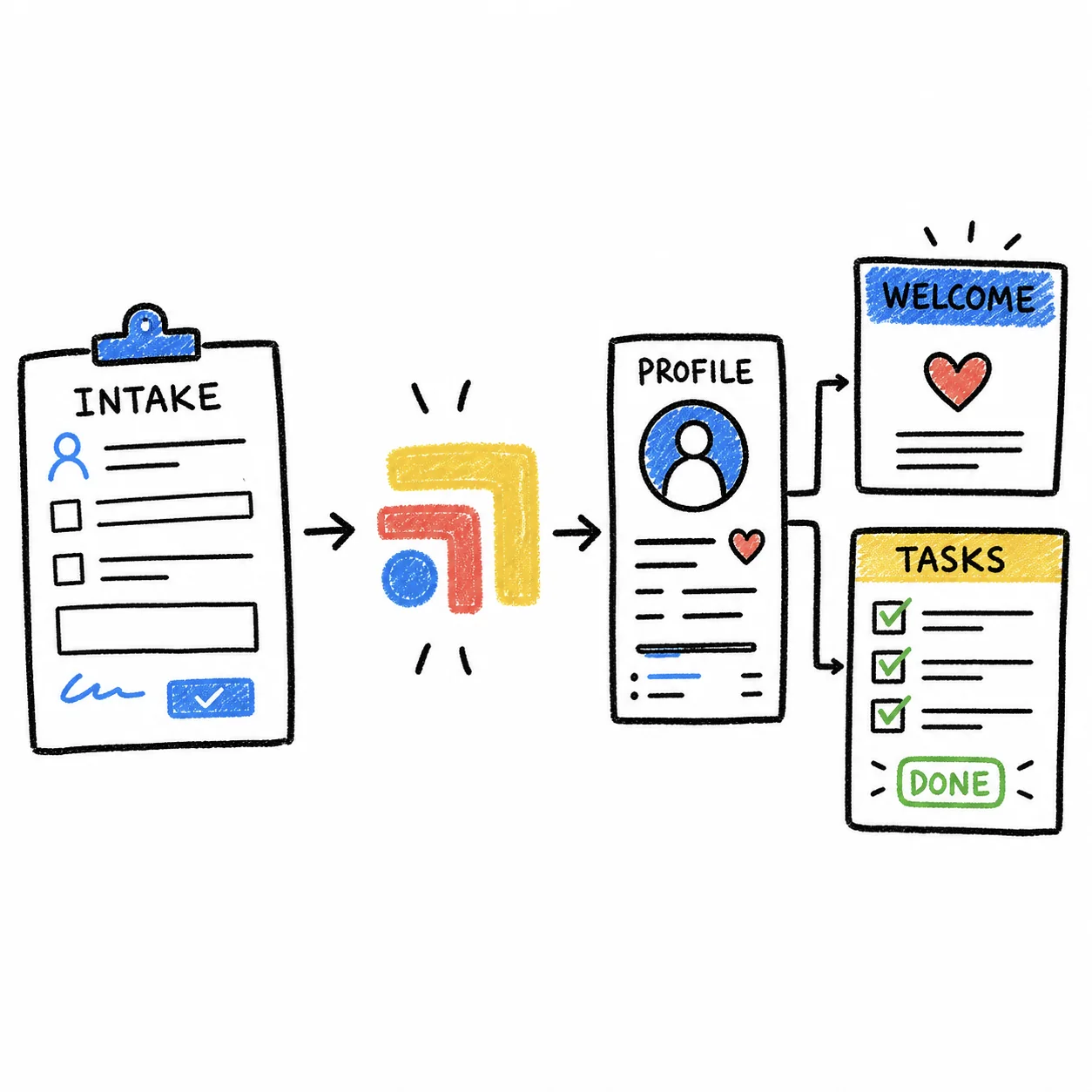
Onboarding spans several different systems and sometimes several different staff members: billing setup happens in one place, portal or messaging access in another, intake forms somewhere else, scheduling in yet another. Each individual step is usually handled competently by whoever's responsible for it. What's missing, often, is a single view of the full sequence for each specific new member, so it's easy for one piece, say, the portal invitation, to quietly not go out while everything else proceeds normally.
The new member doesn't know what they're supposed to have received. They just know something feels incomplete or confusing, without necessarily being able to name what.
What a Working Onboarding Checklist Looks Like
Every new member gets a defined, identical sequence, not a version that depends on which staff member happens to be handling their sign-up that day. Consistency here isn't about rigidity for its own sake, it's about making sure no individual new member's experience depends on which pieces one particular staff member remembers.
Each step has a clear owner and expected timing. Welcome communication same day or next business day. Portal or messaging access within a few days. Intake forms sent with enough lead time to be completed before the first visit, not handed over as a rushed waiting-room task.
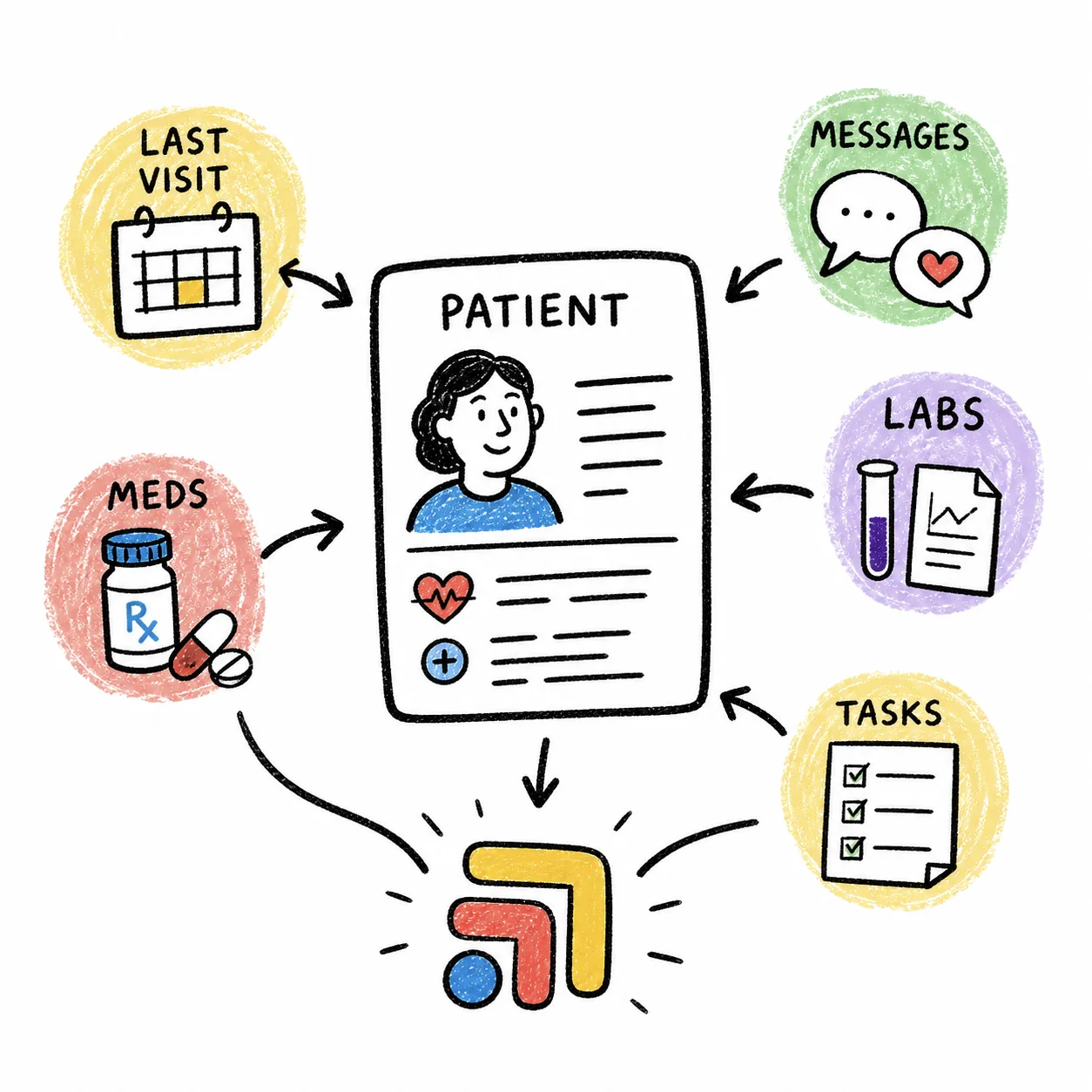
Progress is visible across the full sequence, not just individual steps. Someone should be able to look at a specific new member and see exactly what's done and what's still outstanding, rather than having to check billing, the portal system, and the scheduling calendar separately to piece together the full picture.
Forms and history are collected ahead of the visit, not during it. A first visit that starts with the provider reviewing intake information the patient just filled out in the waiting room is a worse use of that visit's time than one where the provider walks in already having reviewed it.
The whole sequence has a target completion window. Sign-up to first visit within one to two weeks keeps momentum from the decision to join, while a slower, disorganized onboarding gives that initial enthusiasm time to fade or, worse, gives the new member a reason to second-guess the decision before they've even been seen.
Where This Actually Breaks
The typical failure isn't any individual step being handled badly. It's the absence of a single, visible view across the whole sequence for each new member, so gaps only become apparent when the new member arrives for their first visit missing something they should have had beforehand, portal access, completed forms, a clear understanding of how the practice works day to day.
This is where Tabflows fits into new member onboarding. Each new sign-up triggers a defined set of tasks, welcome outreach, portal setup, forms, first visit scheduling, visible as a single sequence with clear ownership and status, so nothing about a specific new member's onboarding depends on someone holding the whole picture in their head across multiple separate systems.
The Standard Worth Setting
Define the sequence once, apply it consistently to every new member, and keep progress visible across the full set of steps rather than scattered across separate systems. That standard is what makes a new member's first weeks feel like the start of a well-run relationship instead of a scramble to catch up before their first visit.
FAQs
What needs to happen between a DPC sign-up and the first visit?
Typically a welcome message or packet, portal or messaging app access setup, intake forms and medical history collection, and a scheduled first visit, all completed before or shortly after the visit rather than rushed through in the waiting room.
Why does new member onboarding often feel disorganized?
Because the steps span different systems and sometimes different staff members, billing setup, portal access, forms, scheduling, without one person tracking the full sequence for each individual new member, so it's easy for one piece to be missed while everything else moves forward.
How long should onboarding take from sign-up to first visit?
As short as is comfortably possible, ideally within one to two weeks, since momentum and enthusiasm from the sign-up decision fade the longer onboarding drags out, and a slow start can quietly undermine the relationship before it's even begun.
What happens when onboarding steps get missed?
A new member can show up for their first visit without having completed intake forms, without portal access set up, or without a clear understanding of how to reach the practice, creating a rocky first impression that's the opposite of what a new relationship should start with.