
The Short Version
A failed membership charge is rarely a member trying to leave. It's an expired card, a replaced card after a fraud alert, or a bank hiccup. The problem isn't the decline itself, it's how long it sits before anyone notices, because most billing platforms will quietly retry a few times and then pause or cancel the membership if nothing changes.
By the time that happens, you've potentially lost a paying member over something that would have taken a two-minute phone call to fix.
Why Declines Go Unnoticed
Billing platforms like Hint and Cerbo run daily charges and generate decline reports, but a report is not the same as a task. If nobody has a specific responsibility to check that report every single day, it sits there. The platform's automatic retry logic buys some time, but it's not built to notify a human with urgency, it's built to quietly try again later.
Meanwhile, from the member's side, nothing looks wrong. They don't get a call. They might not even notice the charge failed, especially if the reason was something passive like an automatic card reissue after their bank detected fraud elsewhere. The first sign of a problem, for them, might be a cancellation notice, or being unable to book an appointment.
What a Working Decline Workflow Looks Like
The decline report gets checked every business day, not weekly. Most billing platforms retry failed charges within a matter of days. If your team is only checking declines weekly, you're often finding out after the platform's retry window has already started closing.
One person owns the daily check, the same way someone owns opening the day's fax queue or checking new patient inquiries. This is a habit, not a project, and habits need a named owner or they don't happen consistently.
Outreach happens the same day the decline is caught, and it's framed as a routine card update, not a collections notice. Most members respond quickly and without friction once they know their card needs updating. The relationship only gets awkward if the clinic lets it sit long enough to feel like a real problem.
Declines get tracked until resolved, not just noted. "Called, left voicemail" and "resolved, new card on file" are different states. If the tracking doesn't distinguish them, a decline can sit half-handled for weeks while everyone assumes someone else finished it.
Repeat declines from the same member trigger a different conversation. A card that fails twice in three months might be a member quietly struggling to keep up with dues, and a phone call, not another automated retry, is the right next step.
The Cost of a Missed Decline
This isn't just a billing nuisance. In a membership-based practice, every lost member is real, recurring revenue walking out the door over something that was almost always fixable. And because the member usually didn't intend to leave, an unnoticed decline that lapses into cancellation often means an awkward, unnecessary conversation weeks later trying to win back someone who never meant to go anywhere.
Where This Actually Breaks
The pattern here is familiar if you've run into it with prior authorizations or outstanding referrals: a report exists somewhere in a system, it's technically visible, but nobody has explicit ownership of checking it every day. The information isn't hidden. It's just easy to not look at, especially on a day when three other things feel more urgent.
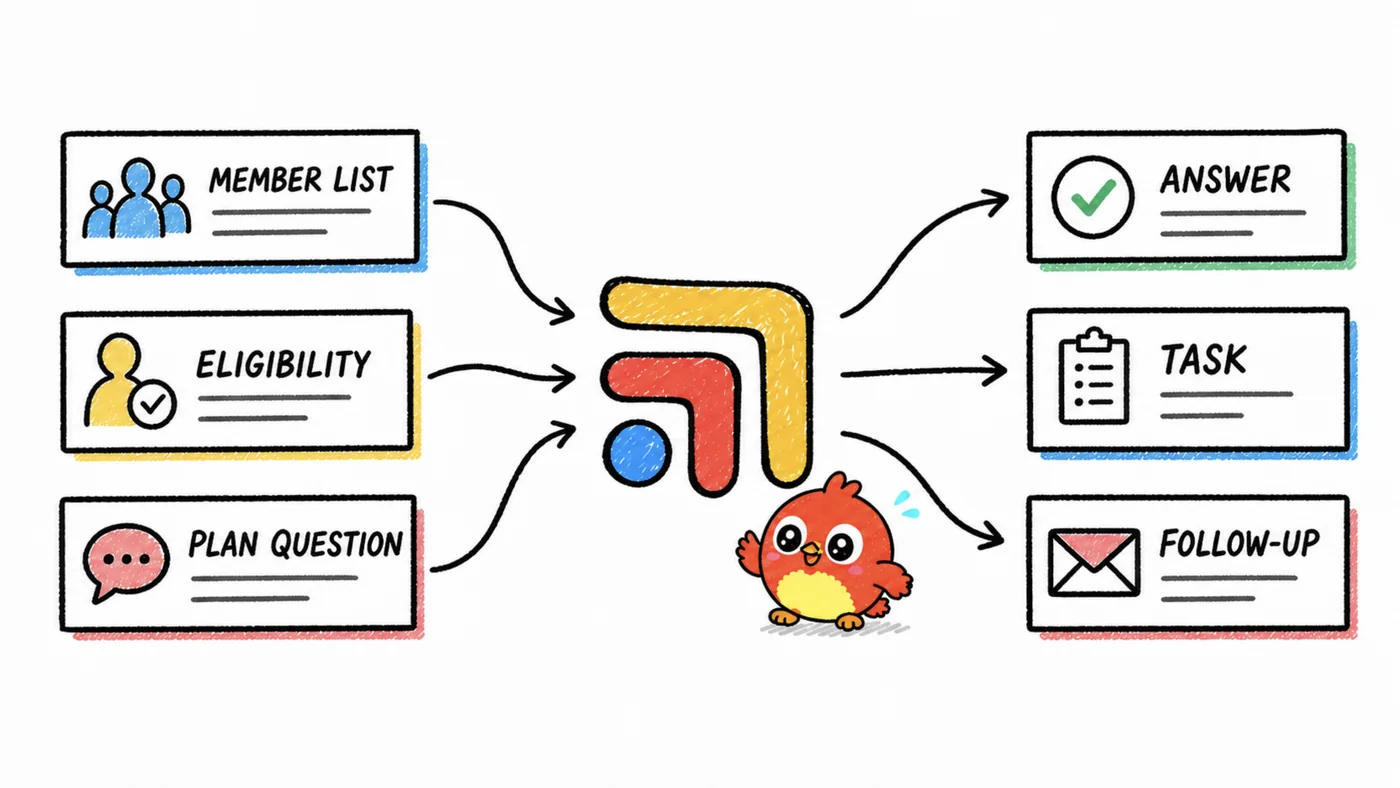
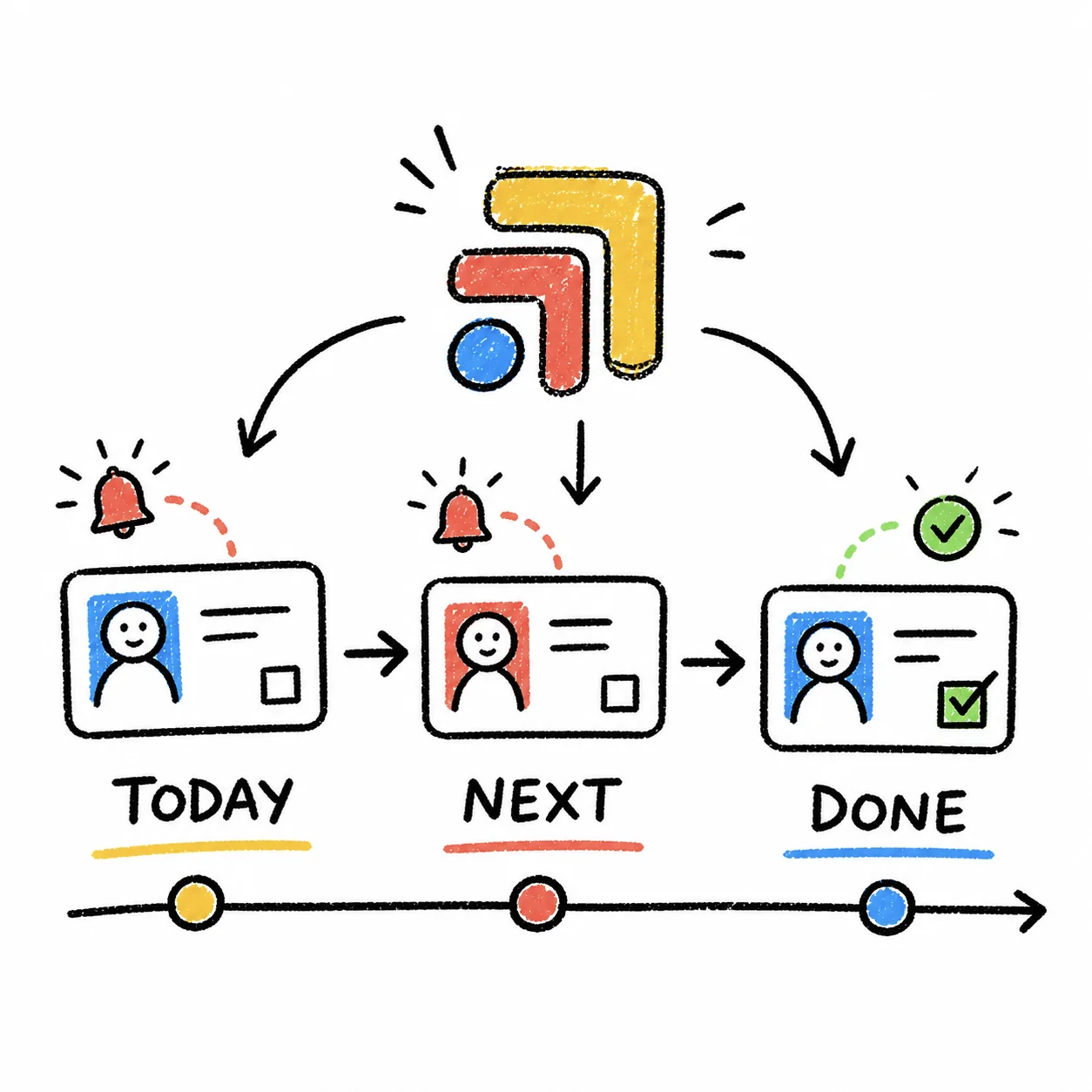
This is where Tabflows fits into a billing workflow. A daily decline check becomes a recurring task with a clear owner, and each individual decline becomes its own task attached to the member, tracked through outreach to resolution instead of living only inside the billing platform's own report. Nothing depends on someone remembering to log into Hint or Cerbo and go looking.
A Simple Standard to Set
If you do nothing else, set this rule: every decline gets a same-day or next-business-day contact attempt, and nothing gets marked resolved until the card is actually updated and a charge goes through clean. That single standard, consistently applied, catches the overwhelming majority of declines before they ever become a real problem.
FAQs
What should a DPC clinic do when a membership charge fails?
Reach out to the member within a day or two of the decline, before a second failed attempt triggers an automatic suspension or cancellation in your billing platform. Most declines are expired cards or insufficient funds, not a member trying to quit, and a quick fix keeps the membership intact.
How do you catch failed membership charges quickly?
Check your billing platform's decline report daily, not weekly or monthly, and assign one person to work through it the same way you would a task list. Waiting for the platform's automatic retry cycle means days can pass before anyone outside billing notices.
Who should follow up on billing declines?
Whoever handles daily charges, often front desk or office admin, should own outreach on declines, with a friendly, low-pressure message. This shouldn't be treated as a collections issue for most members; it's usually a card on file that expired.
What happens if a billing decline goes unresolved?
Most billing platforms will retry a failed charge a limited number of times before pausing or cancelling the membership automatically. If nobody catches the decline before that point, a member who simply forgot to update a card can lose access to their practice without ever intending to leave.