The Short Version
Membership churn in DPC rarely comes from patients being unhappy. It usually comes from silence: a renewal date passes with no proactive outreach, a member who meant to continue simply doesn't get prompted to, and by the time anyone notices, they've quietly assumed the relationship ended or moved on without ever deciding to leave on purpose.
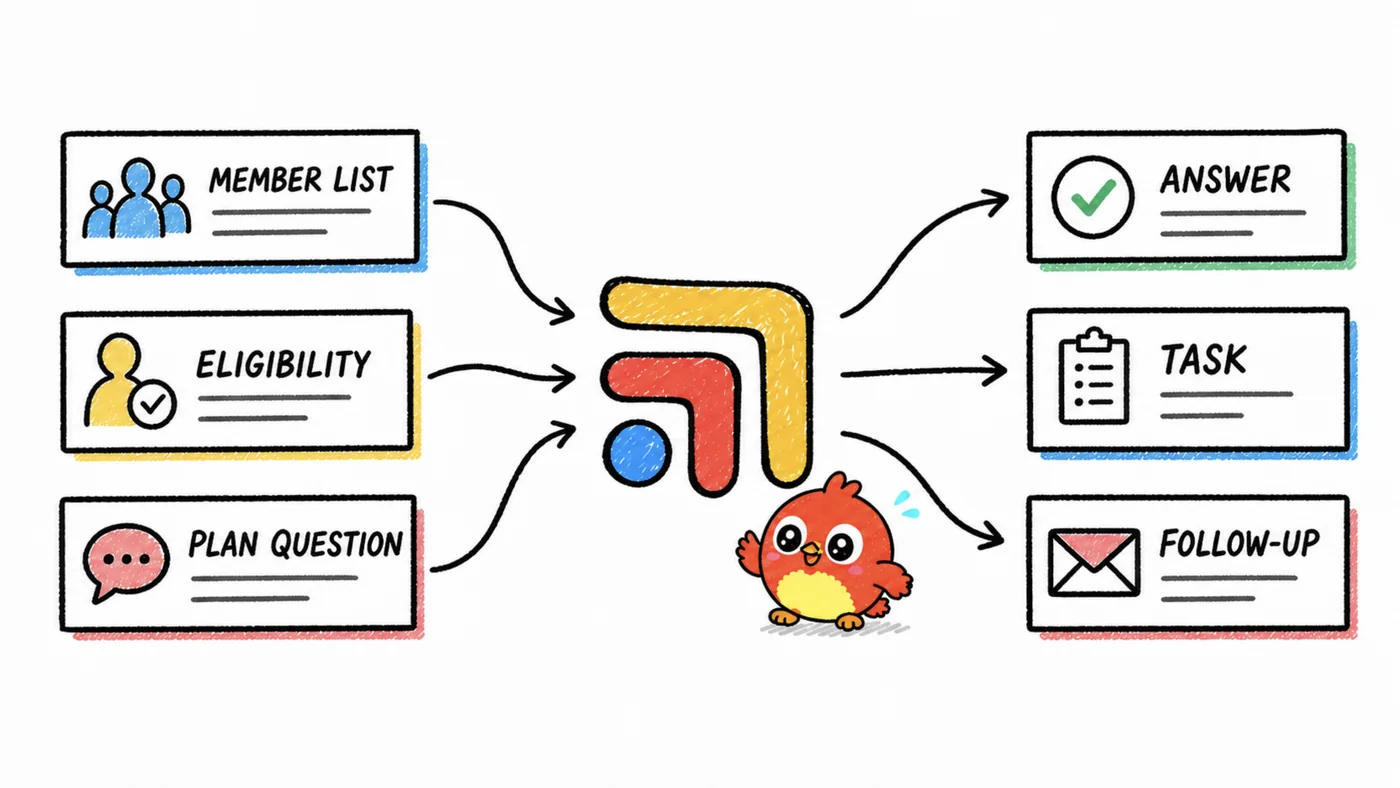
The fix is a renewal calendar that surfaces upcoming dates early enough for a relaxed, proactive check-in, rather than a reactive scramble after something's already lapsed.
Why This Gets Missed Even in Practices That Care About Retention
Most DPC practices genuinely value their members and would never want one to lapse accidentally. The gap isn't intent, it's visibility. Unless a practice is actively tracking individual renewal or agreement dates, the only natural trigger for noticing a lapse is a failed payment or an expired agreement showing up in the billing platform, both of which are reactive signals that arrive after the fact, not proactive ones that give time to intervene.
For practices running evergreen monthly memberships, this shows up as billing declines, already its own workflow. For practices with annual agreements or defined terms, it's a different and often less visible problem: an agreement quietly expiring with no natural trigger at all until someone happens to check.
What Makes Renewal Tracking Different From Billing Follow-Up
Billing declines are urgent and visible, a payment failed, the platform flags it. Renewal tracking is the opposite: nothing fails loudly. An annual agreement simply reaches its end date, and unless someone is watching for that date in advance, the first sign of a problem might be a member who quietly stopped coming in, having assumed the relationship needed some kind of active renewal step that never got prompted.
This is a proactive-outreach problem, not a fix-what's-broken problem, and it needs a different kind of tracking: a forward-looking calendar of upcoming dates, not a report of what's already gone wrong.
What a Working Renewal Workflow Looks Like
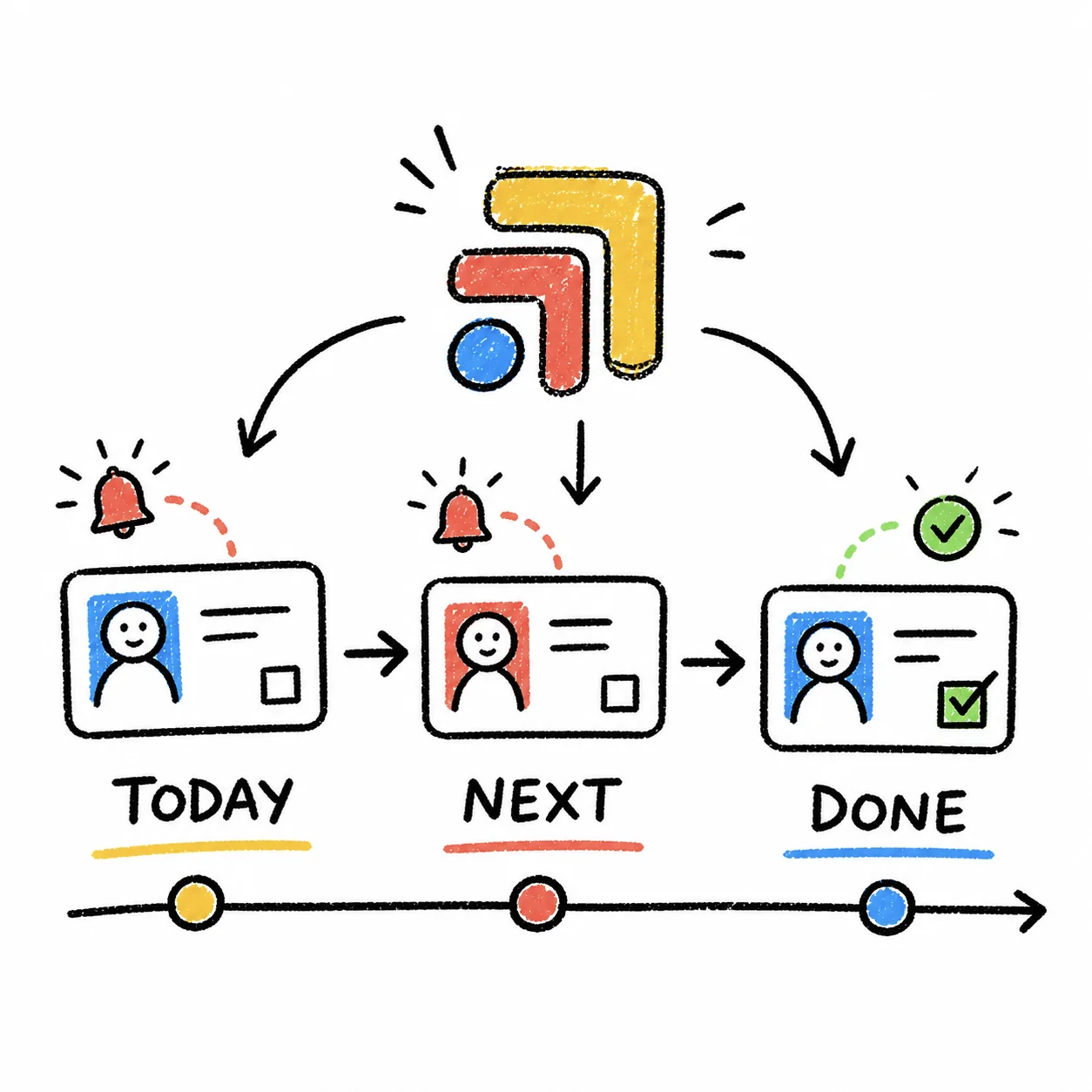
Every member's renewal or agreement date is tracked individually, not assumed to be uniform across the whole panel. Members joining at different points in the year will have different renewal dates, and a single annual check doesn't catch everyone at the right time.
Outreach starts well before the date, 30 to 60 days out for annual agreements, giving both the practice and the member time for a relaxed conversation rather than a last-minute scramble.
The outreach is a genuine check-in, not just an administrative notice. A renewal conversation is a natural moment to ask how things are going, surface any concerns before they become a reason to leave, and reinforce the value of the membership, not just process paperwork.
Non-responders get a follow-up, not a silent lapse. If a member doesn't respond to the first renewal outreach, that's worth a second attempt through a different channel, a call instead of a message, rather than letting the date pass unaddressed.
Lapsed members get a distinct, timely outreach of their own, treated differently from a renewal reminder. A member who's already lapsed needs a win-back conversation, not another version of the same renewal notice that didn't land the first time.
Where This Actually Breaks
The failure pattern here is familiar: real information exists, an agreement's end date, a member's join anniversary, but it's not surfaced proactively in a way that prompts action ahead of time. Without a forward-looking calendar, renewal tracking only happens reactively, after a lapse has already occurred, which is exactly the point where win-back becomes harder than renewal ever would have been.
This is where Tabflows fits into a membership retention workflow. Upcoming renewal dates become tasks that surface 30 to 60 days ahead, distributed across whoever owns outreach, so no member's renewal date depends on someone remembering to check a spreadsheet or a billing report. Lapsed members get their own distinct follow-up, visible and tracked, instead of quietly falling off the list.
The Standard Worth Setting
Track every member's renewal date individually, start outreach a month or two ahead, and follow up on non-responders before the date passes. That standard, applied consistently, turns membership renewal from a source of quiet, avoidable churn into a genuine relationship touchpoint.
FAQs
How often do DPC memberships need renewal?
It depends on the practice's agreement structure. Some run on an evergreen monthly basis with no formal renewal event, while others use annual agreements that need active renewal or re-signing. Practices with annual terms need a tracking system, since those renewal dates don't announce themselves the way a monthly charge does.
Why do members lapse even when they're happy with the practice?
Often simply because nobody proactively reached out before or around the renewal point. A satisfied member isn't automatically an engaged one, and without a check-in, a lapsed card, a forgotten renewal, or just inattention can end a membership that the member never actually intended to leave.
Who should own membership renewal outreach?
One person, often front desk or office admin, should own the renewal calendar and outreach cadence, checking upcoming renewal dates regularly rather than reacting only when a member's payment actually fails or their agreement expires.
What's the best time to reach out about a renewal?
Early enough that there's no pressure or scramble, typically 30 to 60 days ahead for annual agreements. Reaching out only when a renewal is imminent or already lapsed puts both the practice and the member in a more awkward, reactive position than a relaxed heads-up would.