Onboarding starts before the first day
Most medical VA onboarding starts with access: here is the inbox, here is the EHR, here is the calendar, here is the billing system, here is where we keep forms, and here is how to reach the provider. That is necessary, but it is not enough.
The VA also needs to understand how work moves through the clinic. A patient message can become chart review, a scheduling change, a billing question, a refill route, a lab follow-up, a provider draft, and a task for next week. If onboarding only teaches tools, the VA still has to guess the workflow.
Start with role boundaries
Before assigning work, define the role clearly.
What can the VA do without review? What can they prepare but not send? What should always go to the provider? Which systems are they allowed to access, and for what kinds of tasks? How should they handle patient questions that become clinical, emotional, urgent, or unclear?
Those boundaries are not there to slow the VA down. They let the VA move faster because the rules are visible.
Build around repeatable workflows
The cleanest onboarding plan is not a giant manual. It is a small set of repeatable workflows.
Start with the work that happens most often:
- patient message triage
- appointment scheduling follow-up
- refill routing
- lab scheduling or result follow-up
- form collection
- new patient onboarding
- end-of-day loose ends
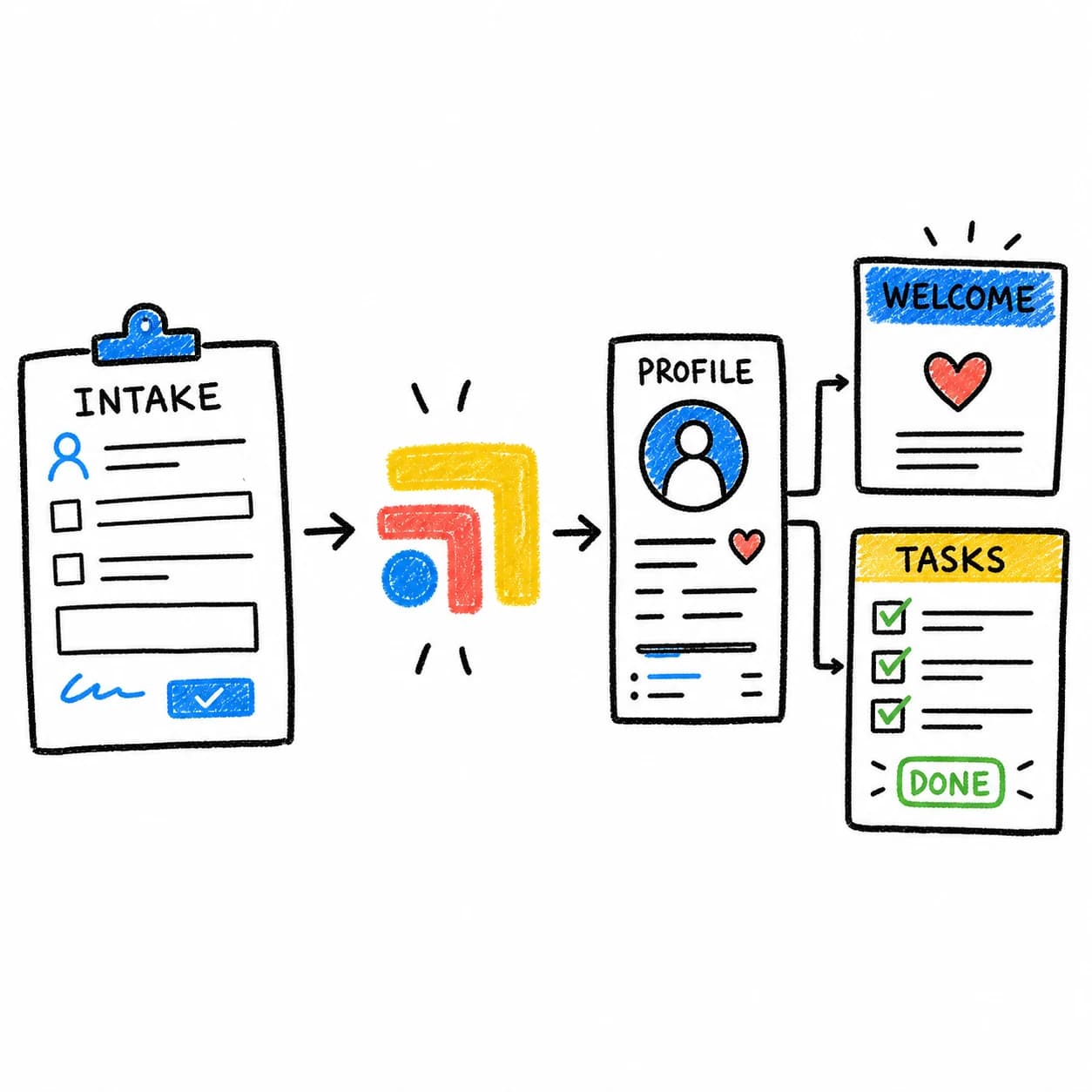
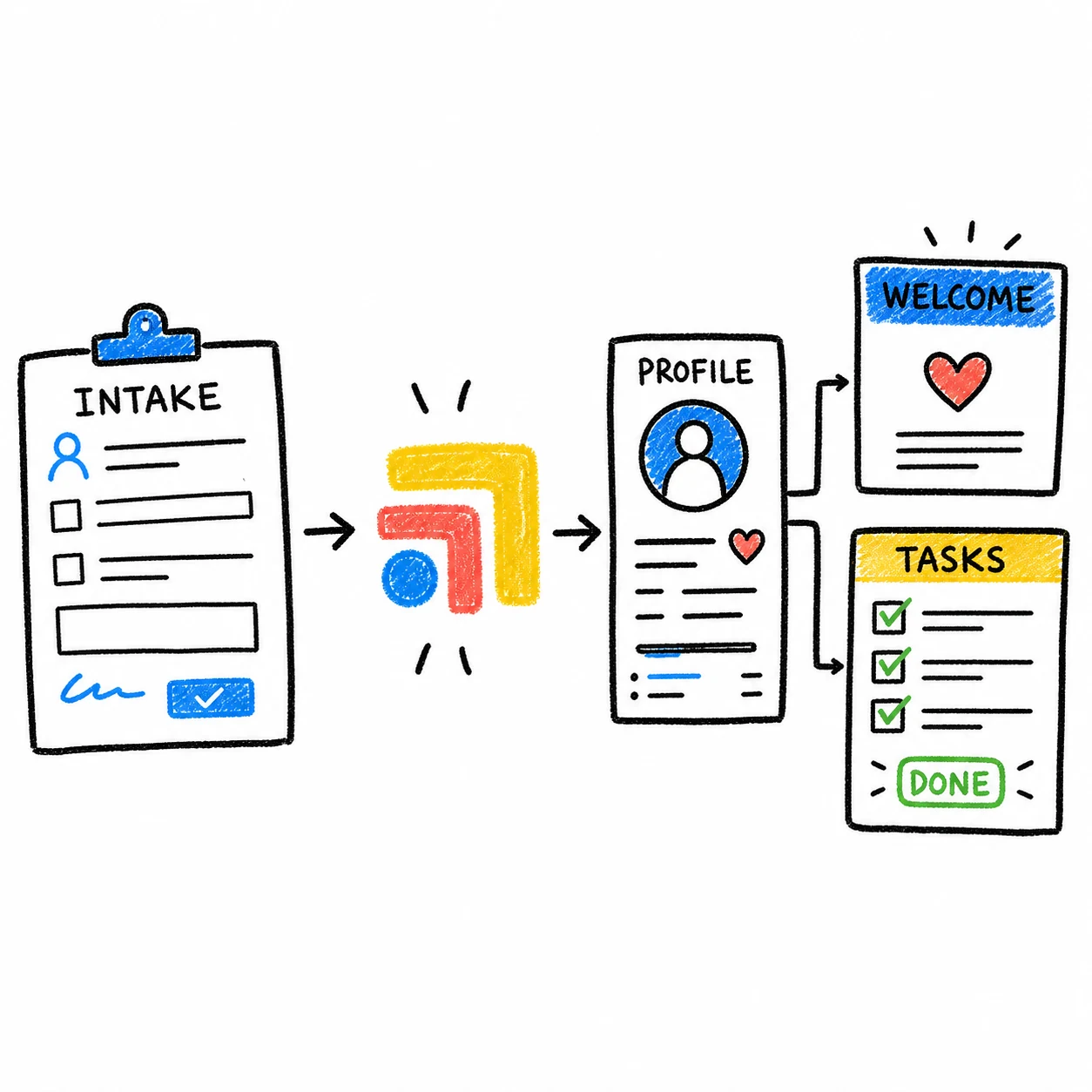
For each workflow, document where the work starts, what context is needed, who owns the next step, what needs review, and what counts as done. That is the operating system the VA actually needs.
A practical onboarding checklist
Use this as the first pass:
- Explain the clinic model, patient promise, and response expectations.
- Define the VA's allowed work, blocked work, and escalation rules.
- Set up secure access only for systems required by the role.
- Walk through one real patient message from intake to follow-up.
- Create task categories for inbox, labs, refills, forms, billing, and scheduling.
- Define which drafts require provider review before the patient sees them.
- Create a daily view for overdue, due today, blocked, and waiting work.
- Review the first week of completed tasks together and tighten the workflows.
This does not need to feel bureaucratic. It should feel like the clinic finally wrote down the way good staff already think.
Where Tabflows fits
Tabflows makes onboarding easier because it gives patient work one shared place to land.
Instead of teaching a VA to keep one mental map for the EHR, another for the inbox, another for the calendar, another for billing, and another for follow-ups, the clinic can create visible workflows around the tools it already uses.
The VA can see what is assigned, what context matters, what needs provider review, and what is waiting. The provider can see what is moving without being pulled into every small status question, and the operator can spot the workflow gaps before they become patient-facing problems.
For the SOP version, read Medical VA SOP Template for Patient Follow-Up. For the buyer decision, read Before You Hire a Medical VA, Fix the Work They Would Be Chasing.
FAQ
What should be included in medical VA onboarding?
Medical VA onboarding should include clinic context, tool access, role boundaries, task categories, escalation rules, provider review paths, privacy expectations, and repeatable workflows for common patient follow-ups.
How long should medical VA onboarding take?
The timeline depends on the clinic and role, but onboarding is easier when the clinic starts with a few repeatable workflows instead of asking the VA to learn every edge case at once.
How does Tabflows make medical VA onboarding easier?
Tabflows gives the VA and clinic a shared place for patient-linked tasks, context, owners, due dates, handoffs, review paths, and follow-up status.
Try Tabflows free and onboard the workflow before the VA has to memorize it.
FAQs
What should be included in medical VA onboarding?
Medical VA onboarding should include clinic context, tool access, role boundaries, task categories, escalation rules, provider review paths, privacy expectations, and repeatable workflows for common patient follow-ups.
How long should medical VA onboarding take?
The timeline depends on the clinic and role, but onboarding is easier when the clinic starts with a few repeatable workflows instead of asking the VA to learn every edge case at once.
How does Tabflows make medical VA onboarding easier?
Tabflows gives the VA and clinic a shared place for patient-linked tasks, context, owners, due dates, handoffs, review paths, and follow-up status.