The Short Version
A DME order isn't done when it's submitted to the supplier. It's done when the patient actually has the equipment in hand and knows how to use it. In between those two points sits a process the clinic doesn't fully control, supplier processing, documentation requirements, sometimes insurance prior authorization, and without active tracking, that gap is where orders quietly stall for weeks.
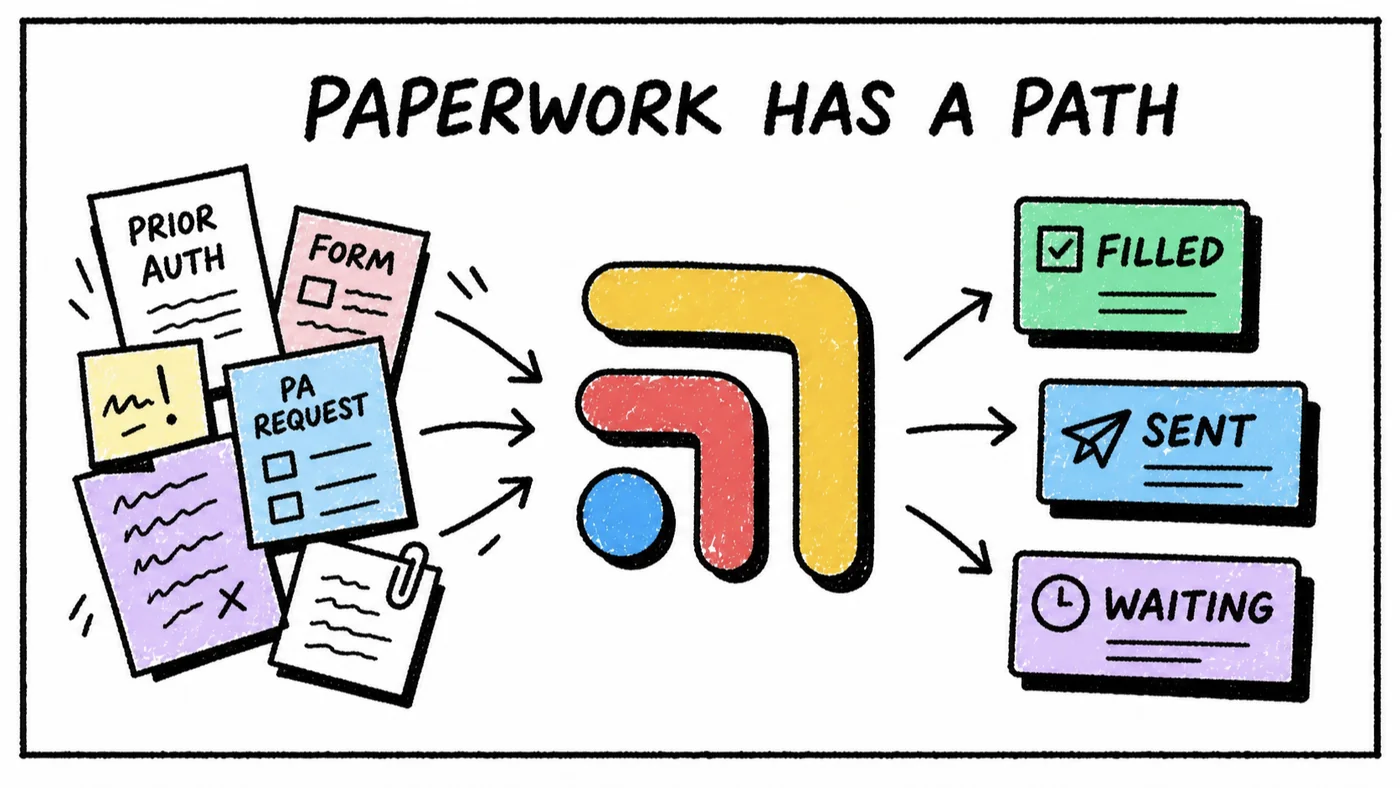
Why DME Orders Are Uniquely Prone to Stalling
Unlike a prescription that goes straight to a pharmacy for same-day fulfillment, DME orders usually require additional documentation: detailed medical necessity notes, specific measurements or specifications, sometimes a face-to-face encounter note that satisfies particular payer requirements. Missing or incomplete documentation is one of the most common reasons an order stalls at the supplier level, and it's invisible to the clinic unless someone is actively checking.
Once the order leaves the clinic, there's no natural trigger telling anyone it's stuck. The supplier isn't going to proactively call the clinic to say documentation is missing in most cases. The patient might not know who to call, or may assume the wait is simply normal processing time. The order just sits, and the first anyone at the clinic hears about it is often the patient calling, frustrated, weeks after expecting delivery.
What Makes This Different From Other Order Types
A lab or imaging order returns a result, some kind of feedback loop that at least tells you the order was received and processed. A DME order often has no equivalent built-in feedback. Confirmation that documentation was received, that a prior auth was submitted, that a delivery date is set, all of it typically requires the clinic to proactively call and ask, rather than waiting for it to arrive.
That makes DME tracking fundamentally an outbound-follow-up problem, not a wait-for-the-result problem, and treating it like the latter is exactly how orders go quiet for a month before anyone notices.
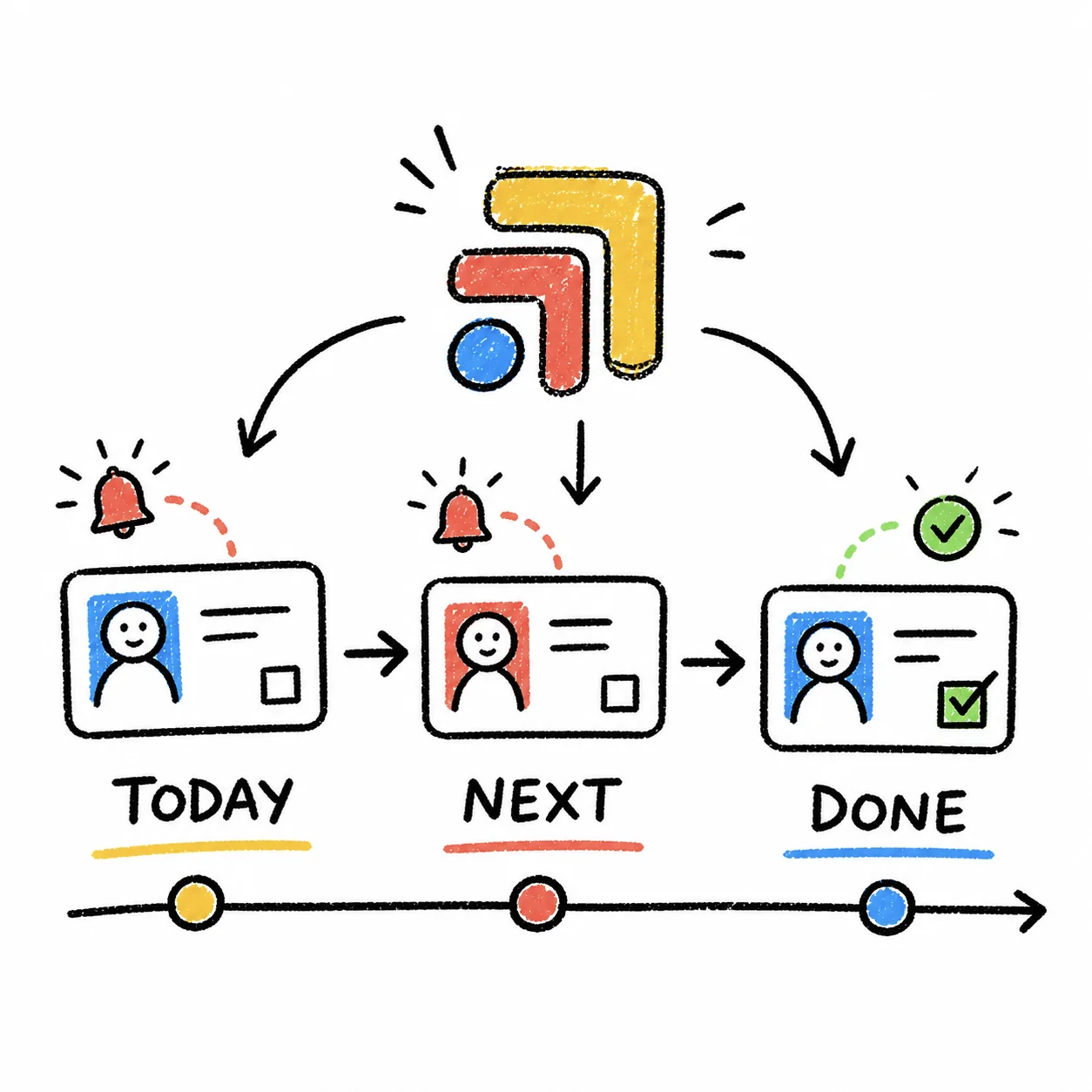
What a Working DME Tracking Workflow Looks Like
Every order gets logged at submission, with the equipment type, supplier, date sent, and what documentation was included. This is the baseline that makes follow-up possible at all.
A follow-up date gets set from the start, typically one to two weeks out, rather than waiting for a patient complaint to trigger the first check-in. If the supplier hasn't confirmed receipt and next steps by then, that's worth a call.
Documentation gaps get caught and resolved quickly. If a supplier flags missing medical necessity information or additional documentation, that request needs a fast turnaround, since it's often the single biggest driver of delay once it's identified.
Insurance-related delays get tracked distinctly from supplier processing delays. A DME order stuck on prior authorization needs different follow-up than one that's simply in normal supplier queue, and conflating the two makes it harder to know which lever to pull.
Delivery gets confirmed, not assumed. An order marked "sent to supplier" isn't the same as equipment actually delivered and the patient trained on its use. Confirmation closes the loop; submission alone doesn't.
Where This Actually Breaks
The typical failure isn't a lack of willingness to help patients get equipment. It's that DME orders, once submitted, drop out of the clinic's field of view entirely, with nothing prompting anyone to check back in until the patient does. That's the same shape as prior authorizations and specialist referrals: real work that requires an external party to complete, with no natural feedback loop telling the clinic when something's stuck.
This is where Tabflows fits into DME order tracking. Each order becomes a task with a follow-up date set at submission, so a stalled order surfaces on a shared list instead of depending on the patient calling to ask where their wheelchair is. Documentation gaps and delivery confirmation are tracked as steps on the same task, not scattered across separate notes or memory.
The Standard Worth Setting
Log every order at submission with a built-in follow-up date, chase documentation gaps immediately when they're flagged, and confirm actual delivery before considering the order closed. That standard is what keeps DME from becoming the order type patients have to chase down themselves.
FAQs
What is durable medical equipment order tracking?
It's the workflow a practice uses to follow a DME order, wheelchairs, walkers, CPAP machines, oxygen equipment, and similar items, from the point it's prescribed through supplier processing to confirmed delivery, rather than considering the order complete once it's faxed or submitted.
Why do DME orders often stall?
Because they typically require documentation beyond a simple prescription, like medical necessity paperwork or prior authorization, and once submitted to a supplier, the order leaves the clinic's direct control. Without active follow-up, a stalled order can sit for weeks with the clinic unaware anything's wrong.
Who should follow up on DME orders?
One person, often a nurse or care coordinator, should own the DME order list and check status periodically with suppliers, rather than waiting for the patient to call asking where their equipment is.
How long should a clinic wait before following up on a DME order?
A reasonable check-in point is one to two weeks after submission if there's been no confirmation, since supplier processing times vary but silence beyond that window usually indicates something needs attention, whether it's missing documentation or a stalled prior authorization.