The Short Version
Clinic-level compliance, licensure, CLIA waivers, gets attention because it affects the whole practice and tends to have a visible renewal notice attached. Individual staff certifications are a different, quieter problem: each staff member has their own certifications on their own timeline, and unless someone is actively tracking every individual's status, it's easy for one person's CPR certification to lapse without anyone noticing until it's needed, or until an audit catches it.
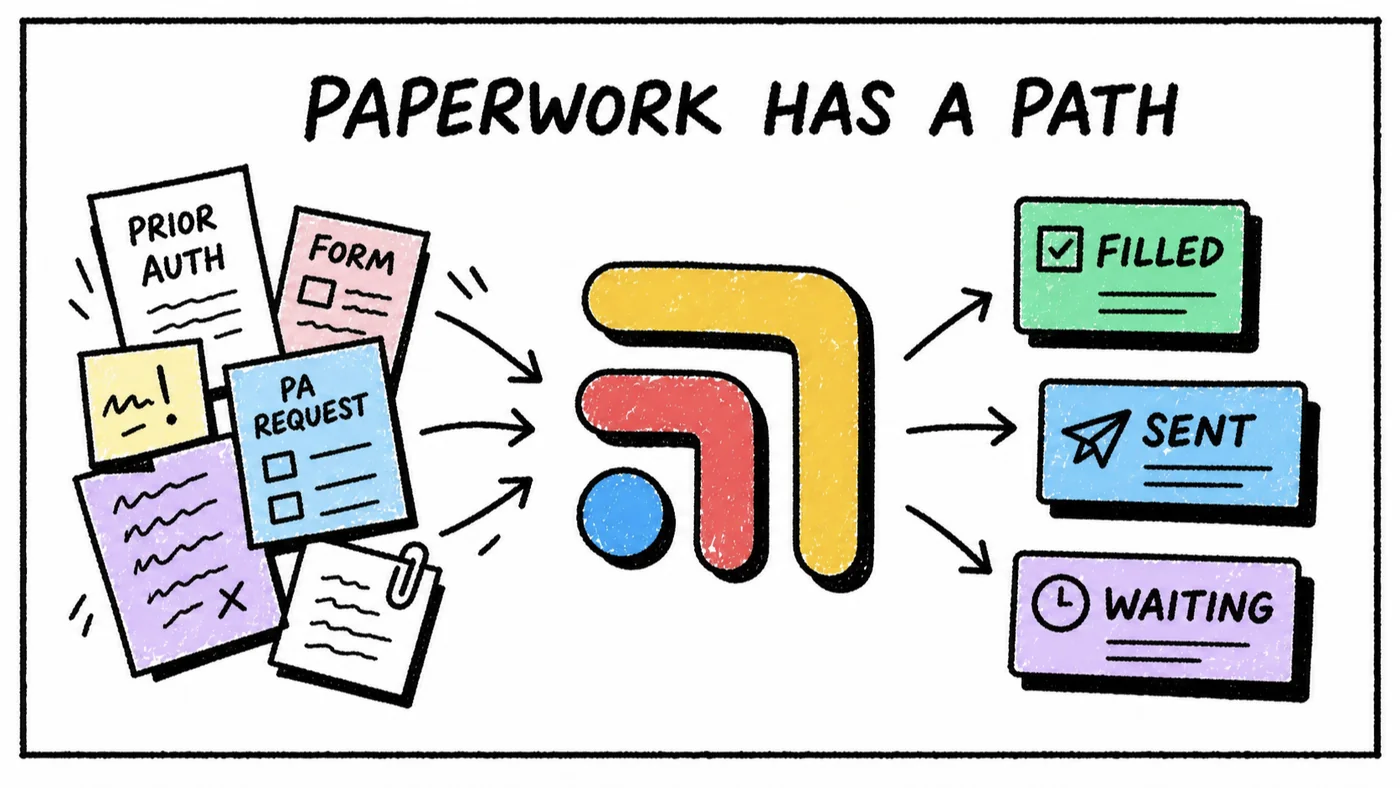
Why This Is a Different Problem Than Clinic-Level Compliance
A clinic's CLIA waiver or state license is one deadline, tracked once, affecting the whole practice equally. Staff certifications multiply that problem across every individual employee: five staff members might mean five different CPR renewal dates, five different OSHA training completion dates, and potentially different role-specific competencies depending on what each person is actually credentialed to do.
That multiplication is exactly why this slips. It's not one deadline to remember, it's a matrix of deadlines, and a system that only checks in on this periodically, once a year during a general review, tends to catch problems only after they've already become a gap.
What Gets Missed Without Individual Tracking
A specific staff member's certification lapses without anyone else noticing. If certification tracking depends on each individual remembering their own renewal date, some people will handle it fine and others won't, and there's no visibility into which is which until it becomes relevant, often the moment that staff member is needed to perform a task their now-lapsed certification covers.
Role changes don't trigger a certification review. A staff member taking on new responsibilities, more procedures, new equipment, may need additional certifications that nobody proactively checks for, since the trigger for that review would have to be explicit rather than assumed.
New hire certification verification gets rushed or skipped. Confirming a new employee's certifications are current and properly documented at the point of hire is easy to treat as a one-time checkbox rather than something that then needs ongoing tracking from day one.
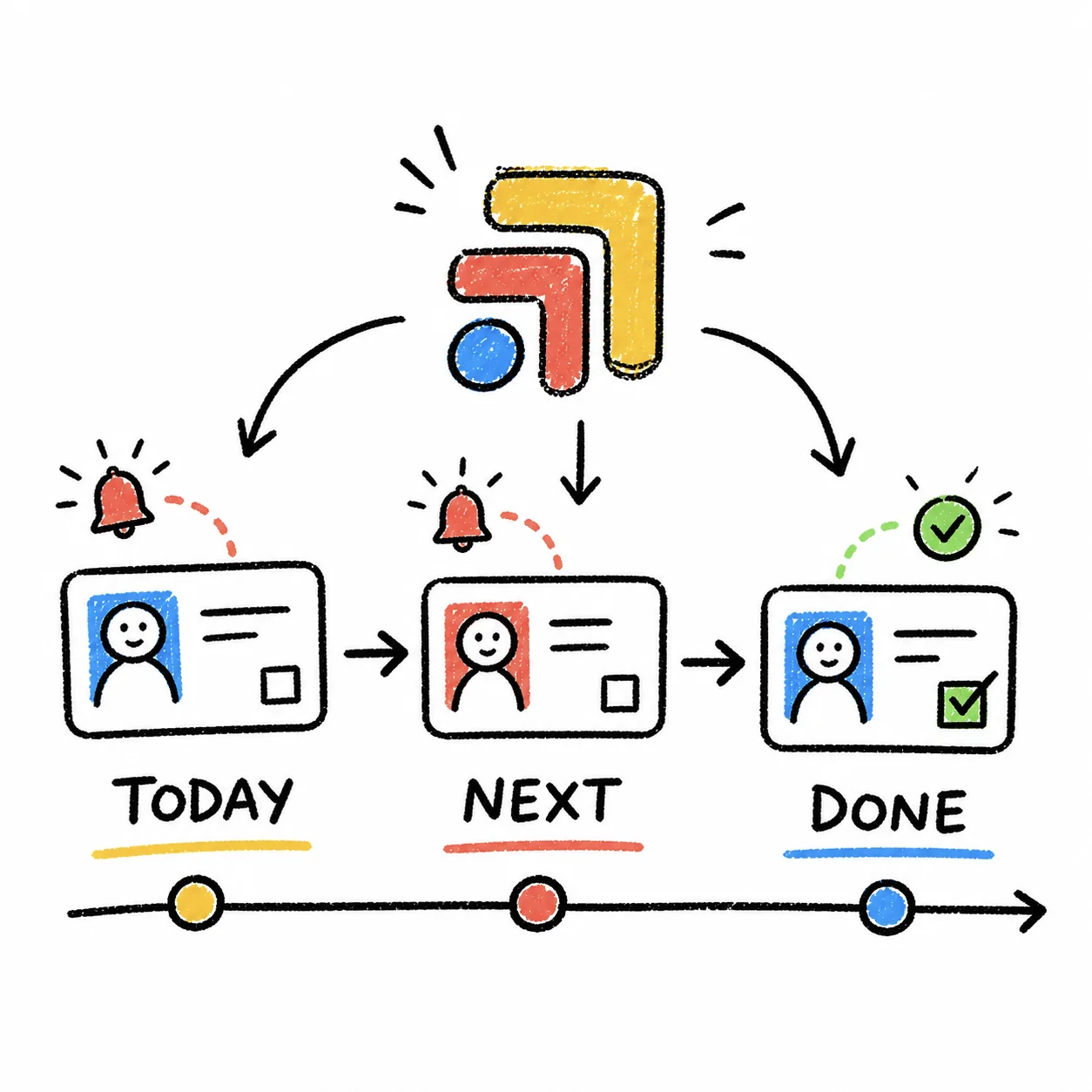
What a Working Certification Tracking System Looks Like
Every staff member has an individual certification profile, listing what they hold, when each item expires, and what's required for their specific role. This is the foundation; without it, tracking is really just hoping people remember.
Renewal reminders trigger well ahead of expiration, 60 to 90 days out for anything requiring scheduled training, not a few days before when there may not be time to complete a renewal course.
One person owns the master list across all staff, even though individual employees are responsible for actually completing their renewals. Someone needs the full picture, both to catch gaps and to know at any given moment whether the team's certifications are all current.
New hires get certifications verified and logged at onboarding, not as a one-time check that then falls out of the tracking system going forward. The moment someone's hired, their certifications should enter the same ongoing tracking as everyone else's.
Lapsed certifications trigger a scheduling adjustment, not just a note. If someone's certification for a specific procedure has lapsed, that needs to actively affect what they're scheduled to do until it's renewed, not just sit as a flag nobody checks before assigning tasks.
Where This Actually Breaks
The common failure is treating certification tracking as something individual staff members handle on their own, with the practice only finding out about a gap reactively, during an audit, or worse, when a lapsed certification becomes relevant in the middle of a procedure. Without a centralized view across the whole team, there's no way to catch a gap proactively.
This is where Tabflows fits into certification tracking. Each staff member's certifications become tracked items with renewal reminders that surface well ahead of expiration, visible to whoever owns the master list, so a lapse gets caught with enough runway to renew before it ever becomes a scheduling or compliance problem.
The Standard Worth Setting
Build an individual certification profile for every staff member, set reminders 60 to 90 days ahead of each expiration, and verify new hires into the same tracking from their first day. That standard is what keeps a growing team's certifications current without depending on any one person's memory to carry the whole list.
FAQs
What staff certifications need ongoing tracking in a small clinic?
Common ones include CPR and BLS certification, OSHA and bloodborne pathogen training, role-specific competencies for procedures like phlebotomy or injections, and any state-required continuing education. The exact list depends on each staff member's role and the specific procedures they perform.
Why is staff certification tracking harder than clinic-wide compliance tracking?
Because each staff member has their own individual set of certifications on their own individual renewal cycle, rather than one shared clinic-wide deadline. A system that only tracks compliance at the clinic level can miss that one specific staff member's CPR certification lapsed last month.
What happens if a staff certification lapses?
Depending on the certification, a lapse can mean that staff member is no longer able to perform certain duties until it's renewed, creating a scheduling gap, or it can create compliance exposure if discovered during an audit. Either way, catching it before the expiration date is far less disruptive than discovering it after.
Who should own staff certification tracking?
A practice manager or office admin typically owns the master tracking list, though individual staff members should also know their own renewal dates. Relying solely on individual staff to self-track tends to produce gaps, since it's easy for any one person to lose track of their own deadline during a busy stretch.