The Short Version
Most providers know exactly why PDMP checks matter and fully intend to do them consistently. The gap between intention and consistent execution is almost always about friction: the check lives outside the normal prescribing workflow, in a separate system, and under the time pressure of a full clinic day, an extra login and lookup is exactly the kind of step that gets skipped when things are busy, not because anyone decided it wasn't important.
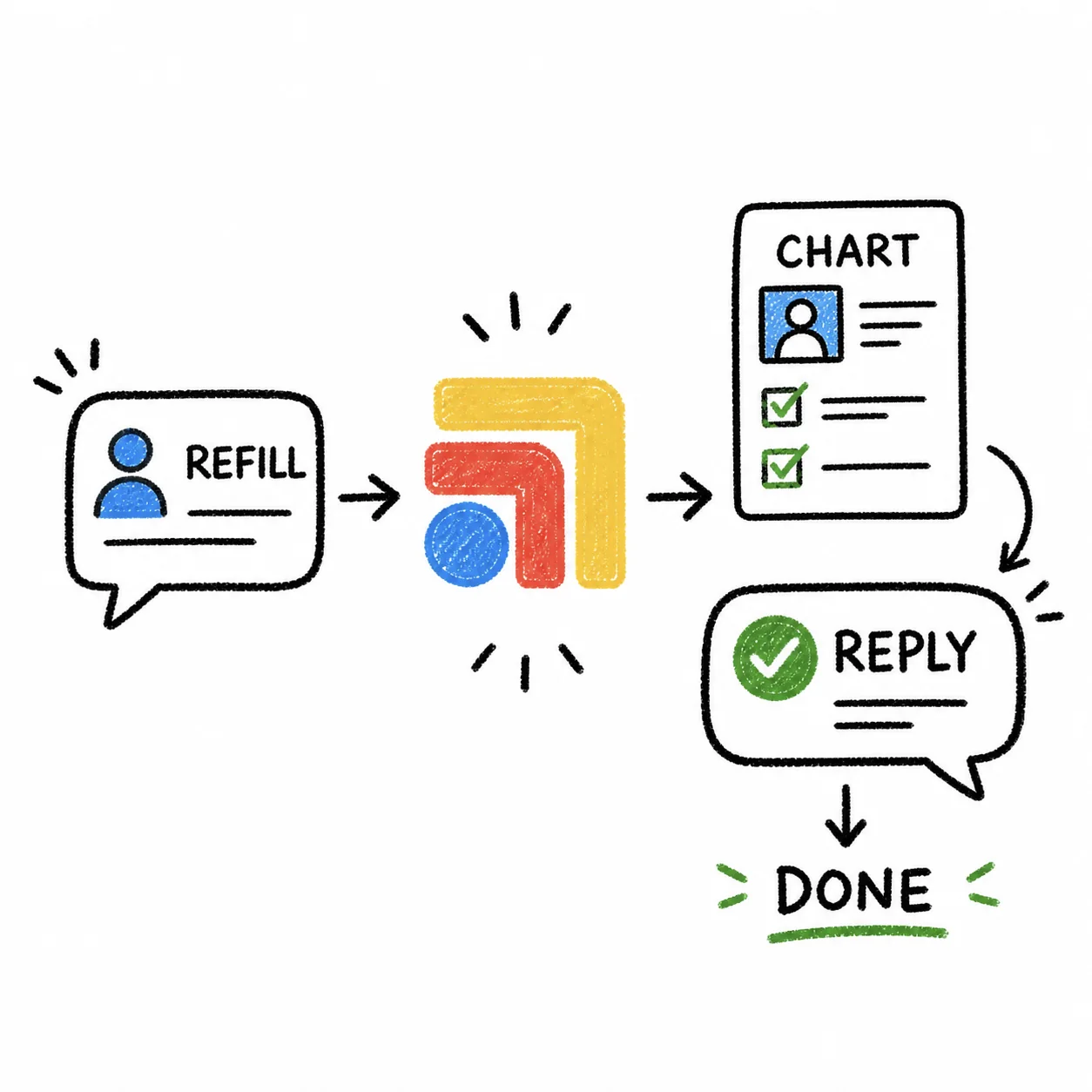
The fix isn't more awareness of the requirement. It's building a prompt into the actual prescribing moment, and a record afterward that shows the check happened.
Why This Specific Compliance Step Is Uniquely Vulnerable to Skipping
Most clinical documentation happens as a natural byproduct of the visit, a chart note gets written because the encounter happened. A PDMP check is different: it requires actively leaving the normal workflow, logging into a separate state database, searching the patient, and interpreting results, all before returning to finish the prescribing decision.
That extra friction means the check is uniquely dependent on the provider's discipline in the moment, with no natural system nudge reminding them if they're running behind schedule and tempted to skip a step that feels, in that specific instance, like it probably wouldn't change the outcome.
What a Working Workflow Looks Like
The check gets prompted at the actual moment of prescribing, not left to provider memory alone. A visible flag on the visit itself, "controlled substance prescription: PDMP check required," creates a natural stopping point rather than relying on the provider independently remembering under time pressure.
Every check gets logged, not just the ones that raise a concern. A clean check is just as important to document as one that surfaces something, since the documentation is what demonstrates the process was followed consistently, not just when it happened to matter.
The log captures date, findings, and how they factored into the decision. A simple "checked, clear" entry is fine for most encounters, but the record needs to exist in a form that's quickly producible if the practice's prescribing process is ever reviewed.
State-specific interval requirements are tracked explicitly, since many states require periodic re-checks for patients on ongoing controlled substance therapy, not just a one-time check at the first prescription. Missing an interval re-check is a common gap even in practices that are diligent about the initial check.
Gaps get caught through periodic review, not just discovered if something goes wrong. A practice manager or lead provider periodically reviewing whether checks are happening consistently across the practice catches drift before it becomes a real pattern.
The Documentation Standard That Actually Protects the Practice
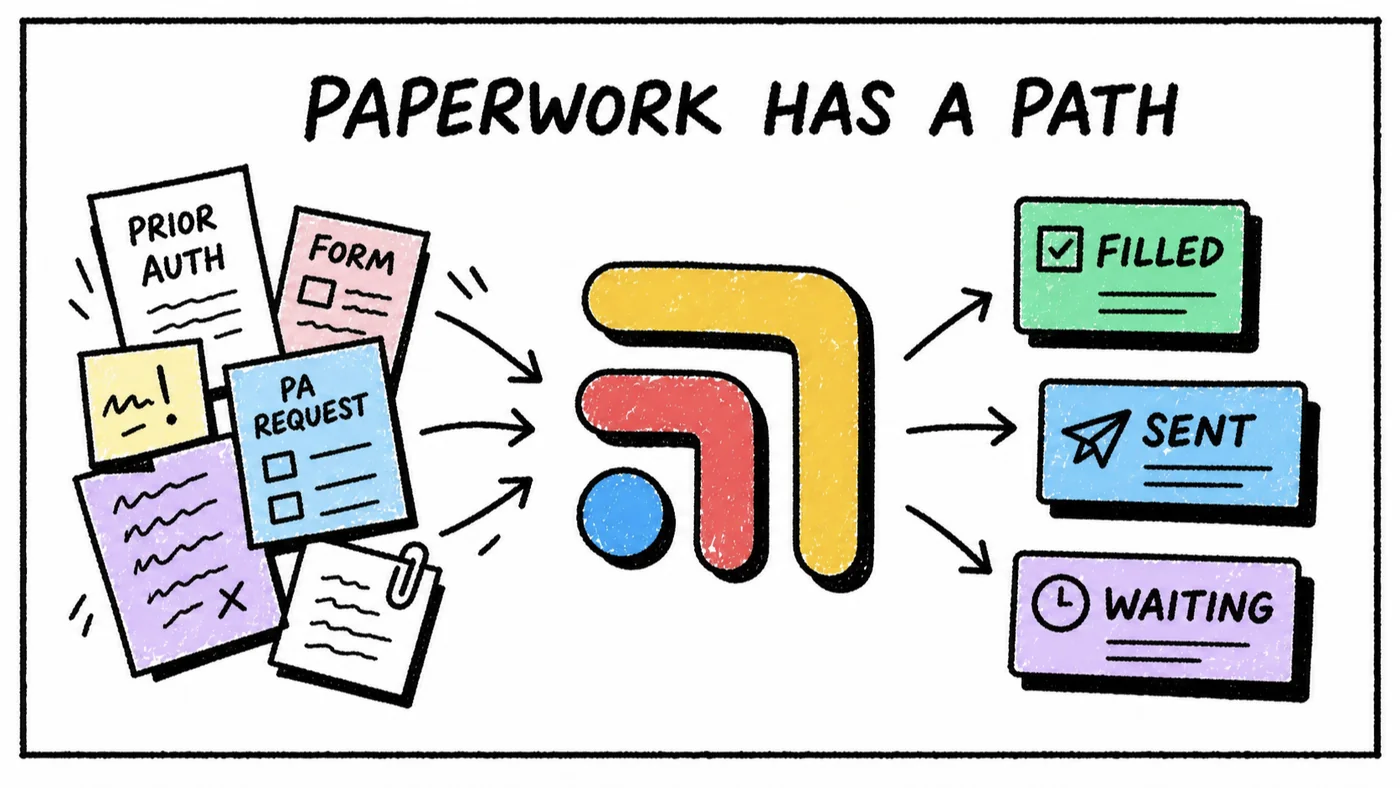
Beyond the clinical value of the check itself, consistent documentation is what protects the practice if a prescribing decision is ever questioned, whether by a regulatory body, an insurer, or in the context of a legal matter. A practice that can show a documented, consistent PDMP check on every relevant encounter is in a fundamentally different position than one relying on "we always do this" without a record to back it up.
That distinction, provable consistency versus assumed consistency, is exactly what a documentation gap threatens, even when the actual clinical care was appropriate every time.
Where This Actually Breaks
The common failure isn't a provider disregarding the requirement. It's the requirement living outside the normal workflow, dependent entirely on memory and discipline during exactly the moments, a busy, overbooked day, when an extra step is most likely to get skipped. Without a system-level prompt and a straightforward way to log the check, consistency depends on nothing failing on a bad day, which isn't a realistic standard to hold indefinitely.
This is where Tabflows fits into controlled substance workflow. A PDMP check becomes a required step attached to the relevant visit or task, prompting at the actual moment of prescribing rather than depending on memory, with the check and its outcome logged in the same place, easy to review and easy to produce if the practice's process is ever questioned.
The Standard Worth Setting
Prompt the check at the point of prescribing, log every check regardless of outcome, track state-specific re-check intervals explicitly, and review for gaps periodically. That standard turns PDMP compliance from something that depends on provider memory under pressure into something the workflow itself makes hard to skip.
FAQs
How often should a PDMP be checked before prescribing controlled substances?
Requirements vary by state, but many states mandate a check before an initial controlled substance prescription and at defined intervals for ongoing prescriptions. Beyond the legal minimum, checking consistently at every relevant prescribing decision is the safer operational standard, since an inconsistent check schedule is hard to defend later if it's ever questioned.
Why do PDMP checks get skipped even when providers know the requirement?
Because the check requires an extra step outside the normal prescribing flow, logging into a separate state database, and under time pressure during a busy visit, that extra step is exactly the kind of thing that's easy to intend to do and then forget in the moment.
What should be documented after a PDMP check?
The date checked, what was found, and how it factored into the prescribing decision, logged in a way that's easy to produce later if the practice needs to demonstrate its controlled substance prescribing process was followed consistently.
Who is responsible for PDMP compliance in a small practice?
The prescribing provider bears ultimate responsibility, but a practice-wide system that prompts the check at the right moment, and confirms it happened, reduces reliance on the provider remembering every time under the pressure of a full schedule.