The Short Version
Clinical equipment tends to fail in one of two ways: obviously, in the middle of a procedure, or quietly, continuing to function while producing results that are no longer accurate. Neither failure mode is preceded by a warning that arrives on its own. Both are preventable with a maintenance and calibration schedule that runs proactively, not one that only kicks in after something's already gone wrong or been noticed as off.
Why This Slides Into Reactive Handling
Equipment maintenance shares a pattern with inventory and compliance renewals: it's a task with no natural, urgent trigger competing against a clinic day full of things that feel more immediately pressing. A functioning autoclave doesn't announce that it's due for maintenance. An EKG machine doesn't flag that its calibration is drifting. Without an explicit schedule, the only trigger for maintenance becomes an actual failure or a noticeably wrong result, both of which are more disruptive, and in the case of a quietly miscalibrated device, potentially more clinically risky, than a scheduled check would have been.
The Two Failure Modes, and Why the Quiet One Is Worse
Obvious failure. A device stops working entirely, mid-use. This is disruptive, it interrupts a visit or a procedure, but at least it's immediately visible, and nobody continues relying on results from a device that's clearly not functioning.
Quiet drift. A device continues to function and produce results, but calibration has drifted out of acceptable range without any obvious external sign. This is the more dangerous failure mode, because nothing about the device's behavior signals that anything's wrong. Results continue to look plausible while potentially being inaccurate, and the only way to catch this is a proactive calibration check, not waiting for something to look off.
A maintenance schedule addresses both, but it's specifically the second one, the quiet drift, that makes proactive scheduling non-negotiable rather than a nice-to-have.
What a Working Maintenance Tracking System Looks Like
Every piece of equipment has a documented maintenance and calibration schedule, based on manufacturer recommendations, not a general sense that it should probably get checked sometime. Different devices have different intervals, and treating them all the same misses requirements that are more frequent than a generic assumption would suggest.
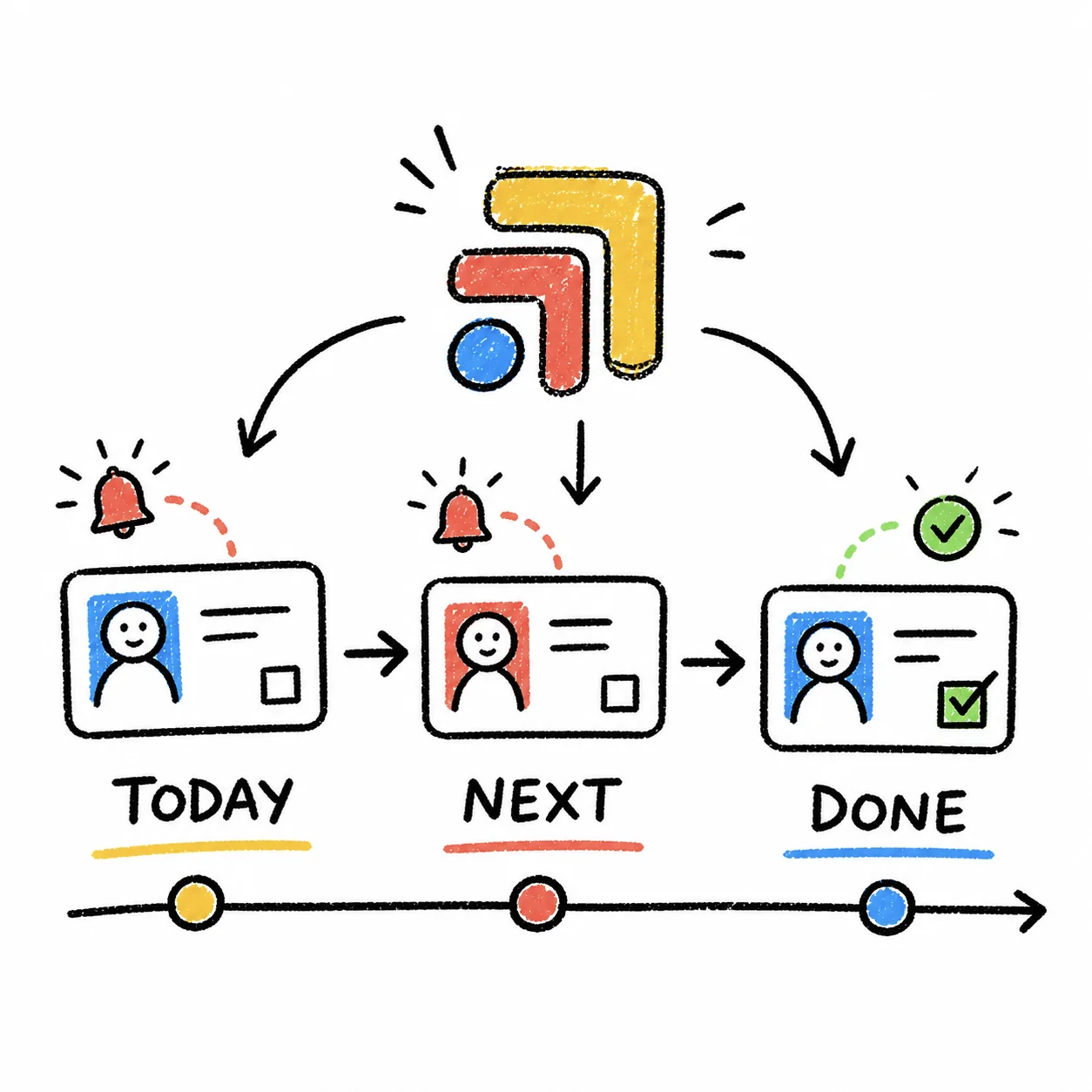
Scheduled maintenance triggers automatically, showing up as due without anyone needing to remember to check a separate log or calendar. The whole point of a proactive schedule is that it doesn't depend on someone's memory to surface it at the right time.
Completed maintenance gets logged with results, not just marked done. If a calibration check produces a specific reading or adjustment, that detail matters for the record, both for troubleshooting patterns over time and for demonstrating a consistent process if it's ever reviewed.
Equipment showing early signs of trouble gets flagged for closer attention, not just noted and left for the next scheduled check. A device that needed a minor adjustment at its last calibration might need more frequent checking going forward, not the same interval as a device with no history of issues.
Out-of-service equipment is clearly marked and communicated, so nobody continues using a device that's mid-repair or awaiting a calibration recheck simply because they didn't know it was flagged.
Where This Actually Breaks
The common failure isn't a lack of care about equipment reliability. It's that maintenance has no natural trigger, the same pattern behind missed compliance renewals and stale inventory, so it depends entirely on someone proactively remembering to check on devices that, most of the time, seem to be working just fine. That "seems fine" is exactly what a proactive schedule exists to verify, rather than assume.
This is where Tabflows fits into equipment maintenance. Each device gets a recurring maintenance task on its actual required schedule, surfacing as due without anyone needing to track it manually, with results logged directly against the task so there's a clear, reviewable history for every piece of equipment in the practice.
The Standard Worth Setting
Document the required schedule for every device, let it trigger automatically rather than depending on memory, and log results every time, not just when something seems wrong. That standard is what catches a quietly drifting device before it produces results nobody realized were inaccurate.
FAQs
What clinic equipment needs regular maintenance and calibration tracking?
Autoclaves, EKG machines, thermometers, glucose meters and other point-of-care testing devices, and any equipment with a manufacturer-specified maintenance or calibration interval. Requirements vary by device, but most clinical equipment has some recommended schedule that goes beyond just using it until something seems wrong.
Why does equipment maintenance get skipped in small practices?
Because equipment usually keeps working fine right up until it doesn't, with no obvious warning sign prompting maintenance ahead of a failure. Without a proactive schedule, maintenance only happens reactively, after something's already gone wrong, which is both more disruptive and sometimes clinically riskier than catching it proactively.
What happens if equipment maintenance is neglected?
Beyond the immediate disruption of a device failing mid-use, neglected maintenance can produce inaccurate results without any obvious sign something's wrong, a miscalibrated device that still appears to function normally but is quietly giving incorrect readings, which is a more serious problem than an obvious breakdown.
Who should own equipment maintenance scheduling in a small clinic?
Often the CMA or practice manager, given the overlap with existing inventory and supply responsibilities, with a documented schedule for each piece of equipment rather than maintenance happening only when someone notices a device seems off.