The Short Version
An employer partnership doesn't succeed the moment the agreement is signed. It succeeds when employees actually enroll and complete onboarding, and that gap, between signature and real member growth, is where a lot of promising employer deals quietly underperform. Without active tracking through the whole pipeline, a practice can have a signed agreement and a fraction of the expected enrollment, with nobody quite sure where the drop-off happened.
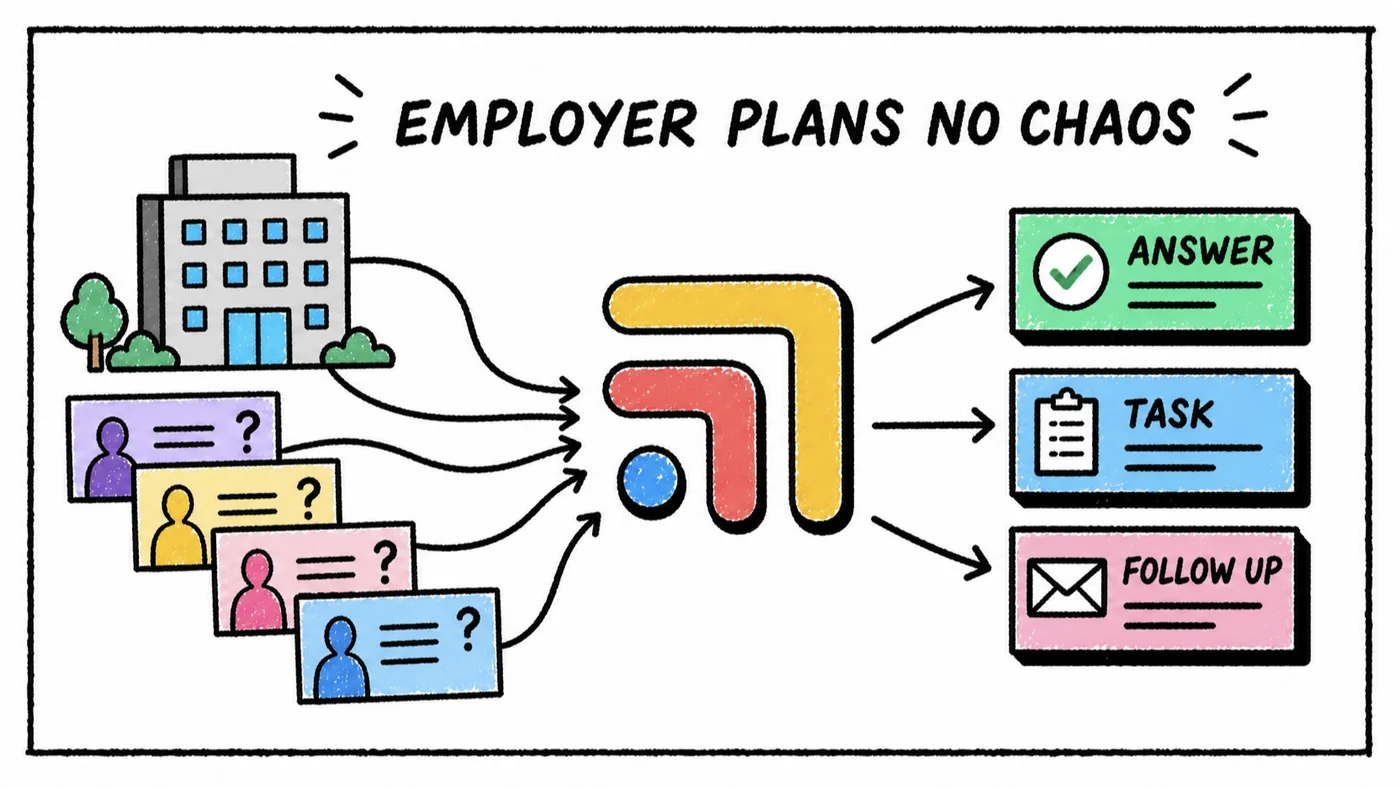
Why the Deal Isn't the Finish Line
It's tempting to treat a signed employer agreement as the win. It's a meaningful milestone, but the actual outcome, more members, more revenue, depends entirely on what happens next: whether employees hear about the benefit clearly, whether they understand how to enroll, and whether the practice follows up with anyone who started the process but didn't finish.
None of that happens automatically just because HR signed a contract. Employee benefits communications get lost in a sea of other HR emails. Enrollment forms get started and abandoned. Without the practice actively tracking who's enrolled and who hasn't, the employer relationship can look successful on the surface while actual uptake quietly disappoints everyone involved.
The Two Distinct Phases That Need Different Tracking
The pipeline, before signature. Initial conversations, proposals, negotiations. This is relationship-building work that benefits from a clear staged view: where does each prospective employer sit, and what's the next step to move them forward. Deals stall here when follow-up gets inconsistent, a promising initial call that never gets a second touch.
Enrollment execution, after signature. Once an agreement is in place, the work shifts to individual employee onboarding, which is a different kind of tracking entirely. This is where practices most often lose visibility, because the initial deal-closing excitement fades and the mundane work of following up with individual employees doesn't have the same natural momentum.
Treating both phases with the same loose, informal tracking is how deals stall in phase one and enrollment quietly underperforms in phase two.
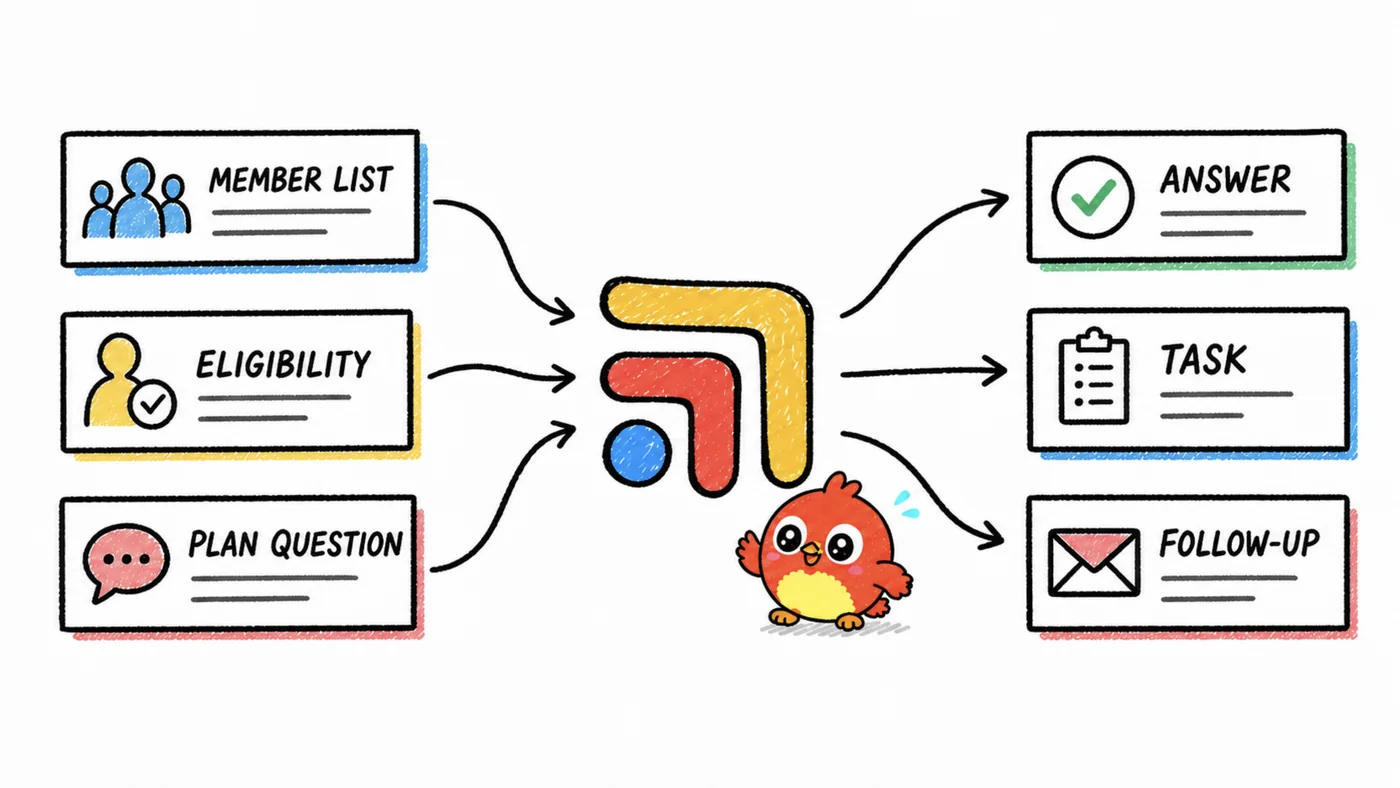
What a Working Employer Enrollment Workflow Looks Like
Every prospective employer relationship has a clear stage and next step, visible to whoever owns business development, so a promising conversation doesn't go quiet simply because the following week got busy.
Signed agreements trigger an explicit onboarding phase, not just a file getting archived. The transition from "deal closed" to "employees enrolled" needs its own active tracking, with a clear owner, often front desk or admin, taking over from whoever managed the sales relationship.
Individual employee enrollment status is tracked, not assumed. Knowing that a company of fifty employees signed an agreement tells you nothing about how many actually enrolled. That number needs active tracking, with follow-up for employees who started but didn't finish.
Stalled enrollments get outreach, not silence. An employee who started the enrollment process and stopped halfway through is a recoverable situation with a timely nudge, and a lost one if nobody notices for a month.
The employer relationship gets a periodic check-in after onboarding, not just at renewal time. A brief update on enrollment numbers and engagement keeps the HR contact informed and gives the practice a natural opening to address any friction before it becomes a reason not to renew.
Where This Actually Breaks
The common failure is treating the employer pipeline and the post-signature onboarding as the same kind of loosely tracked relationship work, when they're actually different problems requiring different owners and different cadences. A deal can close cleanly and still underperform badly if nobody is actively tracking individual enrollment afterward.
This is where Tabflows fits into employer partnership tracking. Pipeline stages stay visible with clear next steps for business development, and once an agreement is signed, individual employee onboarding becomes its own set of tracked tasks, so a stalled enrollment gets caught and followed up on instead of disappearing into the gap between "deal closed" and "member count updated."
The Standard Worth Setting
Track the pipeline with clear stages and owners before signature. Track individual employee enrollment, explicitly, after signature. Follow up on anyone who stalls partway through. That standard is what turns a signed employer agreement into the enrollment growth it was actually supposed to deliver.
FAQs
How should a DPC practice track employer partnership conversations?
As a staged pipeline, initial conversation, proposal, agreement signed, employee enrollment, onboarding complete, with a clear owner and next step at every stage, rather than a loose set of emails and calls that are easy to lose track of between busy weeks.
Why do employer deals stall after the agreement is signed?
Because the work doesn't end at signature. Each employee still needs to individually enroll and onboard, and without active follow-up, initial enthusiasm from the employer's HR contact doesn't automatically translate into employees actually signing up and completing intake.
Who should own employer partnership follow-up?
Whoever owns the business development relationship should track the full pipeline, but onboarding execution, once employees start enrolling, often needs front desk or admin involvement to make sure individual employee onboarding doesn't fall behind the enthusiasm of the original deal.
What's the biggest risk in employer group enrollment?
A signed agreement with low actual employee uptake. The deal looks successful on paper, but if follow-up and onboarding support aren't active after signature, enrollment can trail off well below what the employer or the practice expected, undermining a relationship that started strong.