
How Halcyon Health moves between Quest, Spruce, Elation, and the rest of the clinic day from one screen
“I can move between Quest, Spruce, Elation - all of them.”
Halcyon did not need to replace its DPC stack. It needed a better surface for moving through it. Tabflows gives the clinic a workflow layer across core systems, helping the team think in sequences instead of isolated apps.
Halcyon TL;DR
- Public quote names Quest, Spruce, and Elation as tools Halcyon moves between with Tabflows.
- Two Halcyon team members appeared in the public Top 25 Tabflows list.
- Public customer quote says Tabflows changed how the clinic thinks about workflows.

The problem
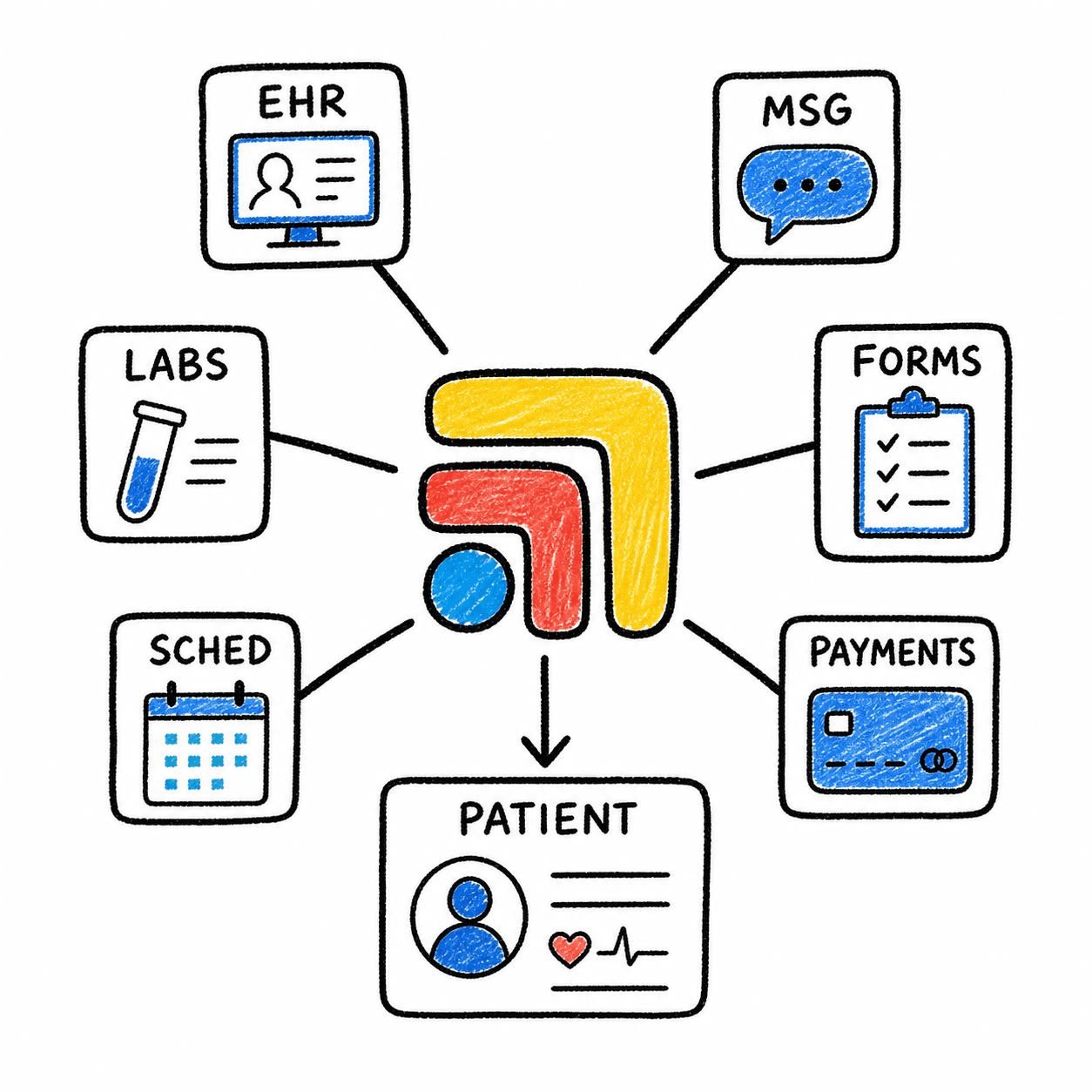
A patient interaction in DPC often touches several systems. The EHR may hold the chart. Spruce may hold the conversation. Quest may hold lab work. The next step might be a task, a follow-up message, or a note for a teammate.
“Without a workflow layer, the doctor has to keep the whole sequence in their head.”
Without a workflow layer, the doctor has to keep the whole sequence in their head.
Why Tabflows
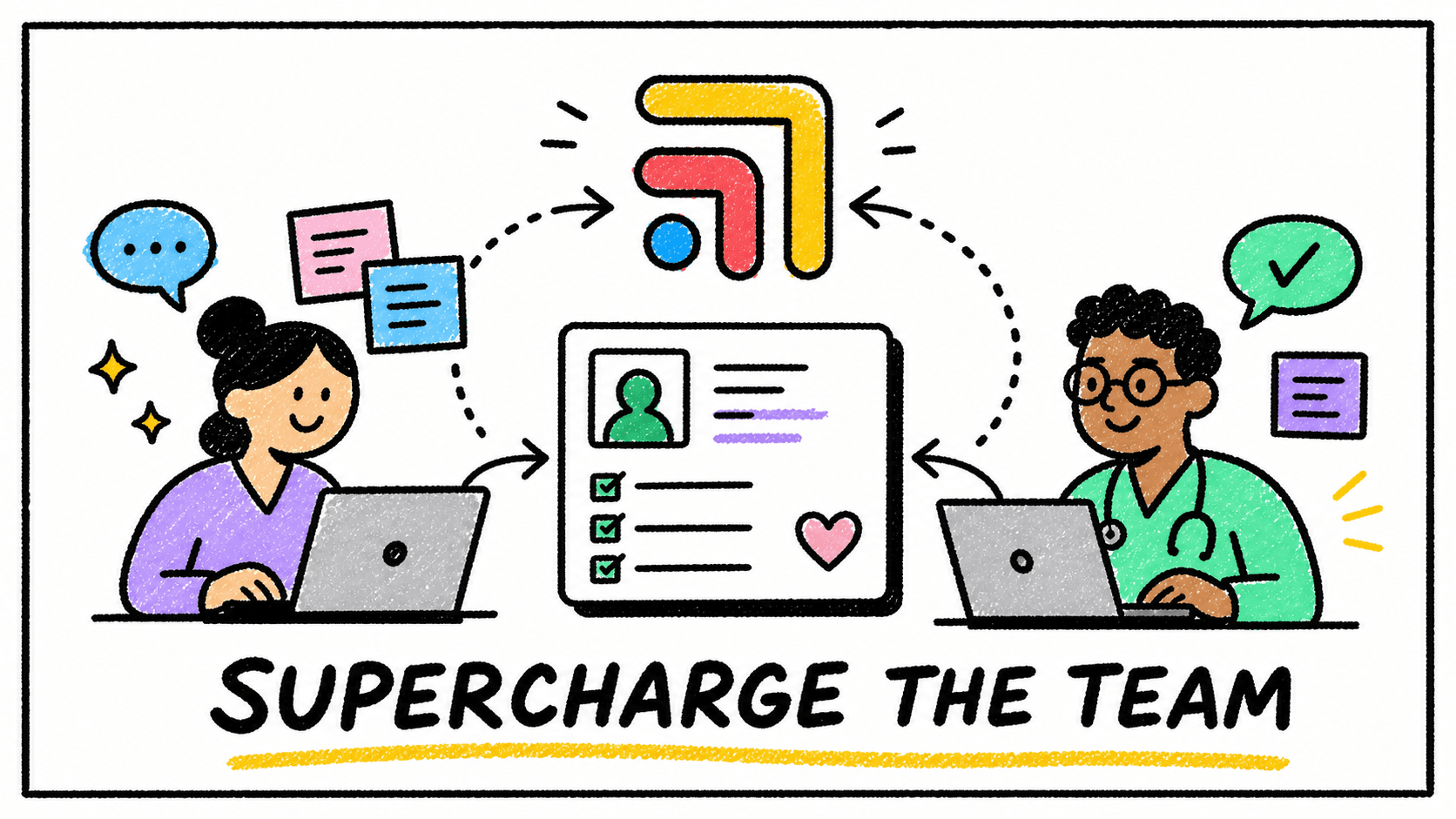
Tabflows lets Halcyon keep the stack while changing how the team moves through it. The value is not just fewer clicks. It is less cognitive load.
Emilie Scott's quote is the story: she can move between Quest, Spruce, and Elation without losing her place. That is the DPC buyer problem in plain English.
What changed
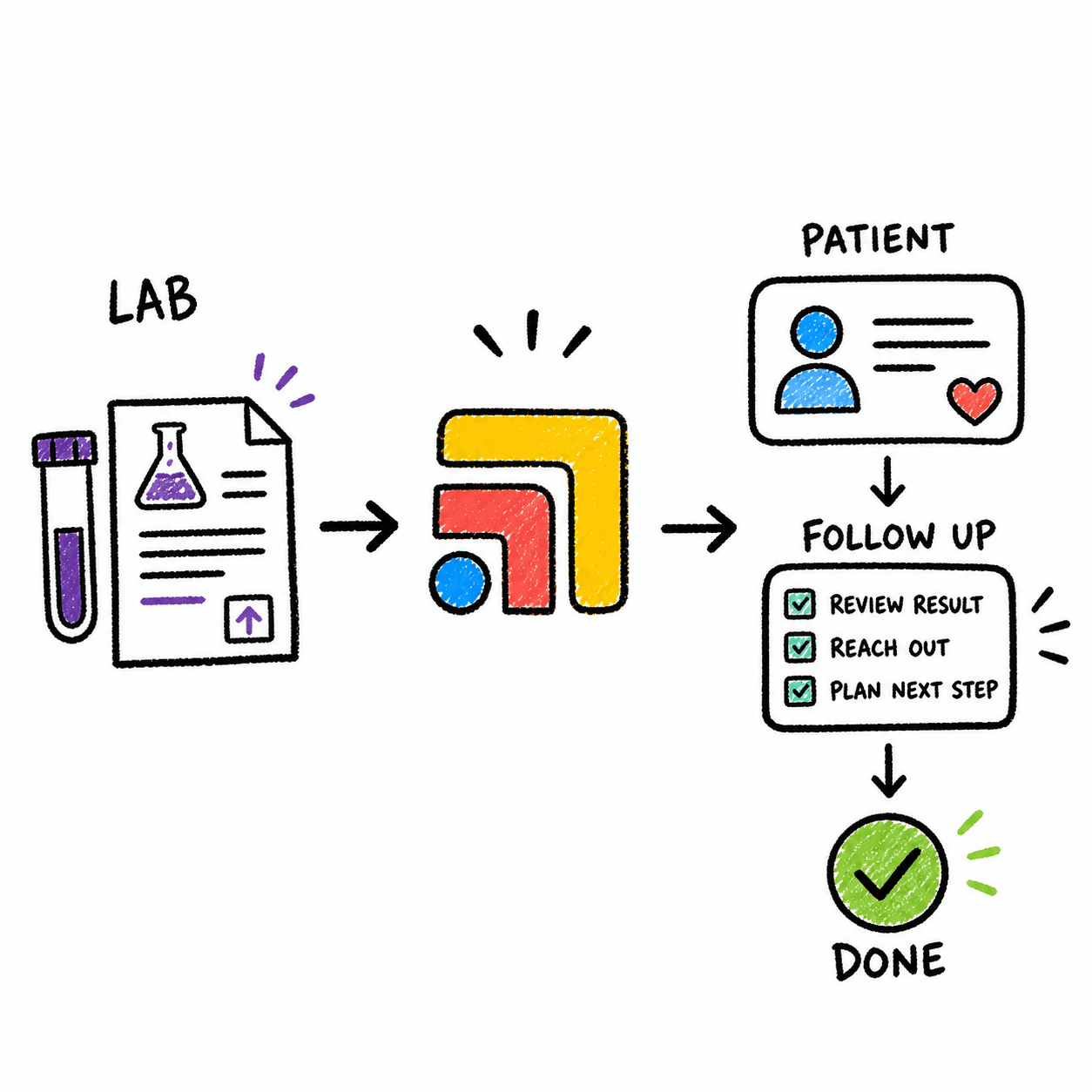
Tabflows gives Halcyon a way to build workflows around the real steps of care. Labs, messages, charts, and follow-ups can sit in a connected operating surface instead of separate windows fighting for attention.
James Gaor's public quote adds a useful angle: Tabflows changed how he thinks about workflows. That is stronger than saying it saves time. It means the product changes how the clinic models the day.
“I can move between Quest, Spruce, Elation - all of them.”
Emilie Scott, MD, Halcyon Health