The Visit You're Actually Running
Picture your last patient visit. The patient sits down, you pull up their chart in your EHR. They mention a lab result they're worried about — you open Quest in another tab to find it. While you're talking, your AI scribe is running in yet another tab. The patient asks about a medication refill, so you open your Rx tool. They want to message you next week with an update, and you realize you need to check your messaging app to see if they sent something earlier. Five tabs. One visit.
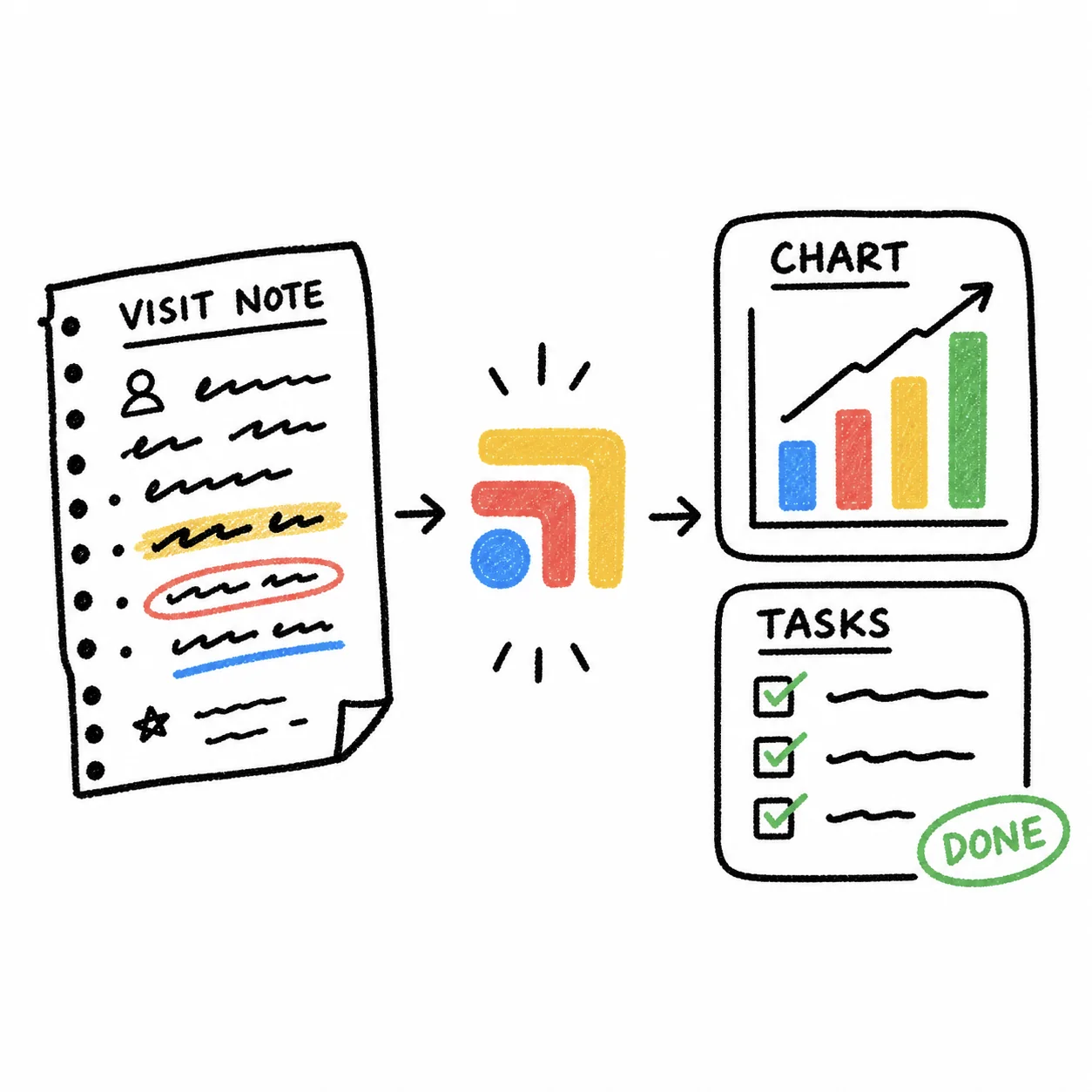
From the outside, it looks like you're working. From the inside, it feels like you're juggling. Every tab switch takes your eyes off the patient for a second, your mind off the conversation for longer. The patient notices — maybe not consciously, but they feel the distraction. They feel you looking away. They feel the pause while you hunt for the right tab. And you feel it too: the low-grade stress of trying to be present while your tools demand you be everywhere else.
This is the default workflow for most DPC docs. Not because it's good, but because nobody's shown them what the alternative looks like.
What Your Patients See
Here's an uncomfortable truth: your patients don't know you're switching between an EHR, a lab portal, and an Rx tool. They just see a doctor staring at a screen, clicking around, and occasionally looking back at them. The more tabs you manage, the more screen time the visit has — and the less face time.
DPC is built on the promise of longer, more personal visits. But if half of a 30-minute appointment is spent navigating tools instead of engaging with the patient, you're delivering a 15-minute visit with 15 minutes of tech overhead. Patients chose DPC to escape the rushed, impersonal feel of insurance-based care. They deserve a doctor whose tools stay out of the way.
The irony is that most DPC docs chose this model for the same reason — to actually connect with patients. The tools are undermining the very thing that makes DPC different.
The One-Screen Visit
With Tabflows, a patient visit looks different. You open your visit workspace and everything is already there: EHR chart front and center, AI scribe running in a side panel, lab results accessible on the right, messaging and Rx tools pinned and ready. One screen. Everything visible or one click away — not one tab away, one click within the same workspace.
Here's what a typical visit looks like on Tabflows:
Pre-Visit (30 seconds)
You pull up the patient's workspace. Their chart is loaded, recent labs are visible, and you can see any messages they've sent since the last visit. You scan for 30 seconds and you're prepped. No opening four tabs and waiting for each to load.
During the Visit (15–30 minutes)
The patient sits down. Your AI scribe starts capturing the conversation. The patient mentions their cholesterol — you glance at the lab panel without switching tabs. It's right there. They ask about a refill — you open the Rx tool in the same workspace and send it while continuing the conversation. They have a question about a specialist referral from last month — you check their message history in the sidebar without losing the chart.
The visit flows. You're present. Your eyes stay on the patient more than the screen because the screen isn't fighting you.
Post-Visit (2 minutes)
Your scribe has already drafted the note. You review it in the same workspace, make quick edits in the EHR, and close out the encounter. No toggling to a separate documentation tab. No opening the scribe in one window and the EHR in another to copy-paste.
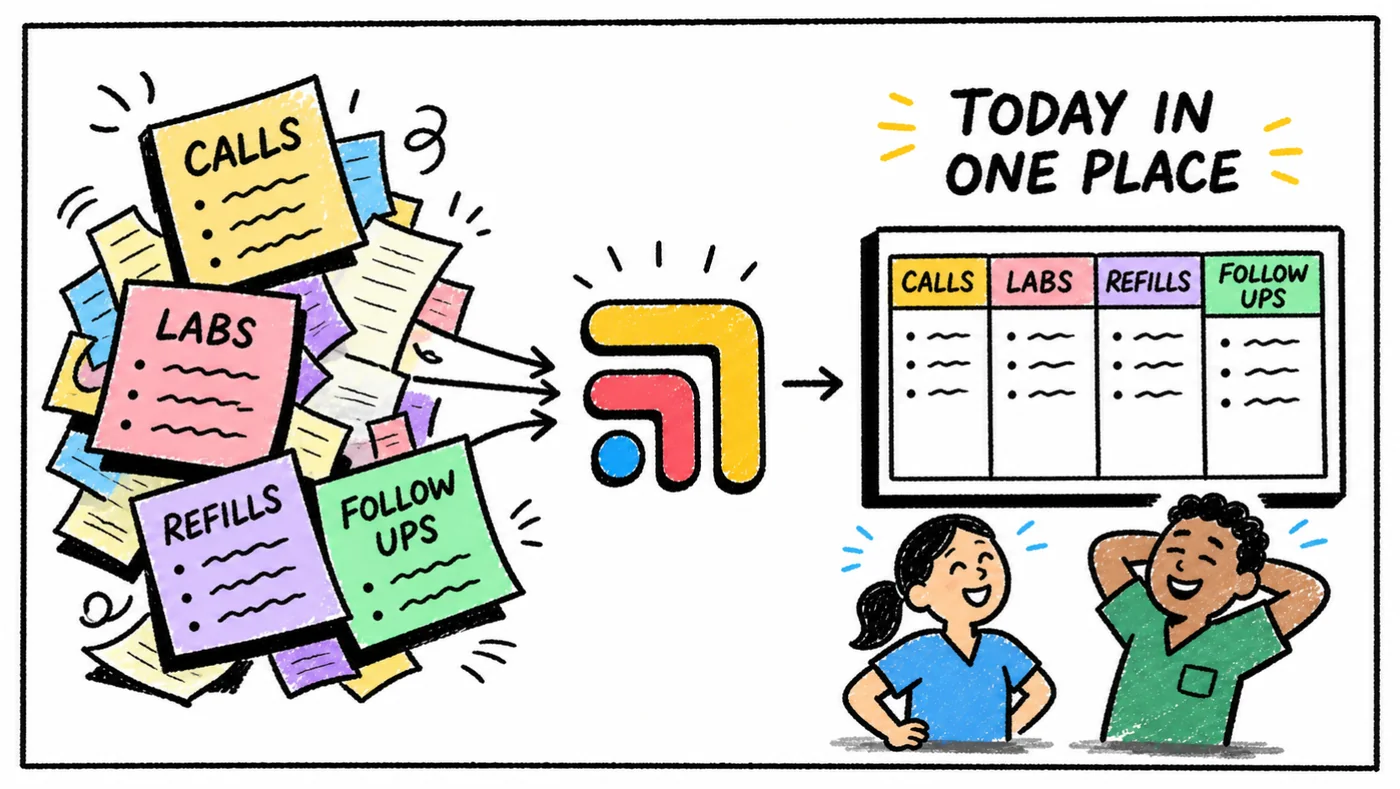
The Compound Effect
One smooth visit is nice. A full day of smooth visits changes everything. When every encounter follows the same calm, organized workflow, you're not accumulating cognitive fatigue from hundreds of tab switches. You're not carrying the stress of "where did I leave that tab?" into each new patient. You're finishing notes in real time instead of saving them for after hours.
DPC docs using a single-screen workflow consistently report two things: they feel less tired at the end of the day, and their patients comment that visits feel more personal. Those aren't separate outcomes — they're the same outcome. When your tools stop demanding your attention, your patients get more of it.
Stop Tab-Switching. Start Connecting.
You didn't go into DPC to become a tab manager. Tabflows puts your entire visit workflow — EHR, scribe, labs, messaging, Rx — on one screen so you can do what you actually signed up for: take care of patients. Try Tabflows free and see what a focused visit feels like.